JD.com founder vows to protect its 900,000 Chinese workers from losing their jobs to AI or robots
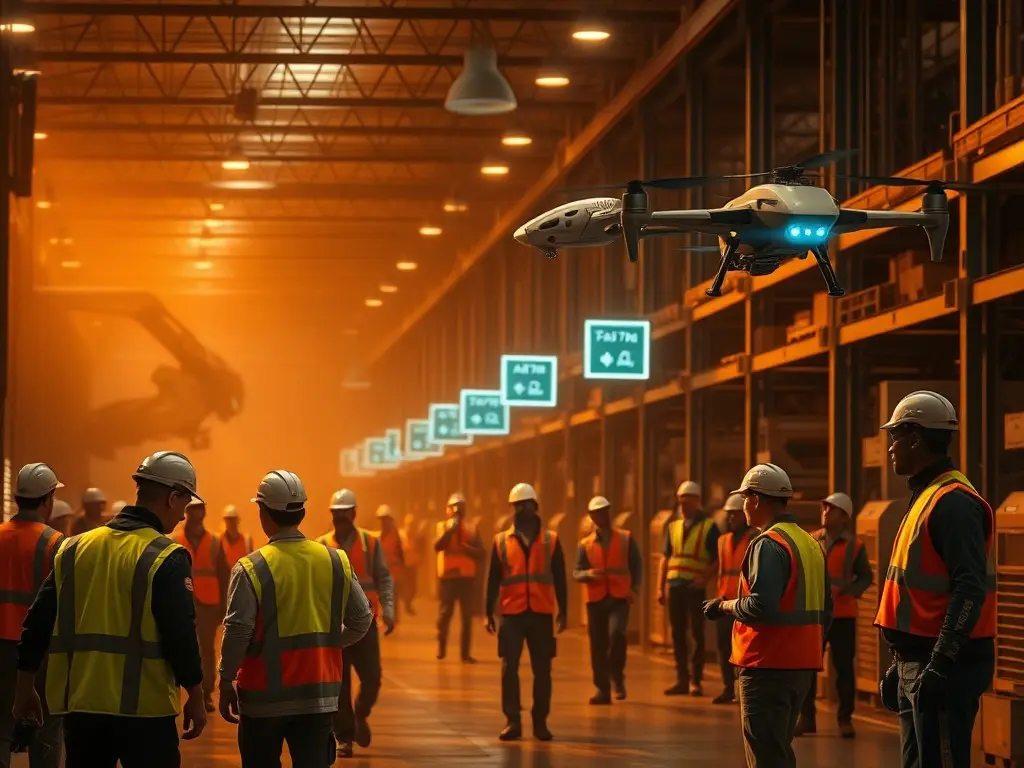
JD.com founder Liu Qiangdong pledged to protect the jobs of the company’s 900,000 Chinese workers amid fears of AI and robotics replacing staff, vowing no front-line worker will be fired due to automation. The company is expanding unmanned technologies like drone delivery and self-driving vehicles while setting up training bases to retrain workers in maintenance and servicing of automated systems, following recent legal rulings against AI-driven layoffs.
JD.com founder Liu Qiangdong announced the company will safeguard employment for its 900,000 workers, including blue-collar staff, despite expanding automation. In an internal speech on May 27, Liu stated JD.com will not terminate any front-line worker replaced by machines, addressing growing concerns over AI-driven job losses in China. The e-commerce giant, one of China’s largest employers, is integrating unmanned technologies such as unmanned warehouses, drone delivery, self-driving vehicles, and automated convenience stores. These advancements align with China’s state-directed push to adopt AI, though the government seeks to balance innovation with labor market stability amid economic slowdown and high youth unemployment. JD.com has established over 80 training bases nationwide to retrain workers in skills like maintaining and servicing automated systems. The initiative follows a Chinese court ruling in late April prohibiting companies from terminating employees or cutting salaries solely to replace them with AI. Additionally, authorities mandated in 2025 that companies must retrain or reassign workers before termination, creating legal safeguards against AI job displacement. Liu’s pledge reflects JD.com’s dual strategy: leveraging automation for efficiency while ensuring workforce protection. The company employs a broad workforce, from couriers and store clerks to AI trainers and robot maintenance engineers, highlighting its commitment to adapting human labor to technological changes. The move underscores China’s unique approach to AI adoption, balancing rapid technological integration with labor market stability. Unlike many countries, China has introduced legal frameworks to prevent AI-driven layoffs, aiming to mitigate economic and social disruptions.
This content was automatically generated and/or translated by AI. It may contain inaccuracies. Please refer to the original sources for verification.