Kansas Wheat Crop Worst Since 1972 Amid Extreme Drought, Rising Costs
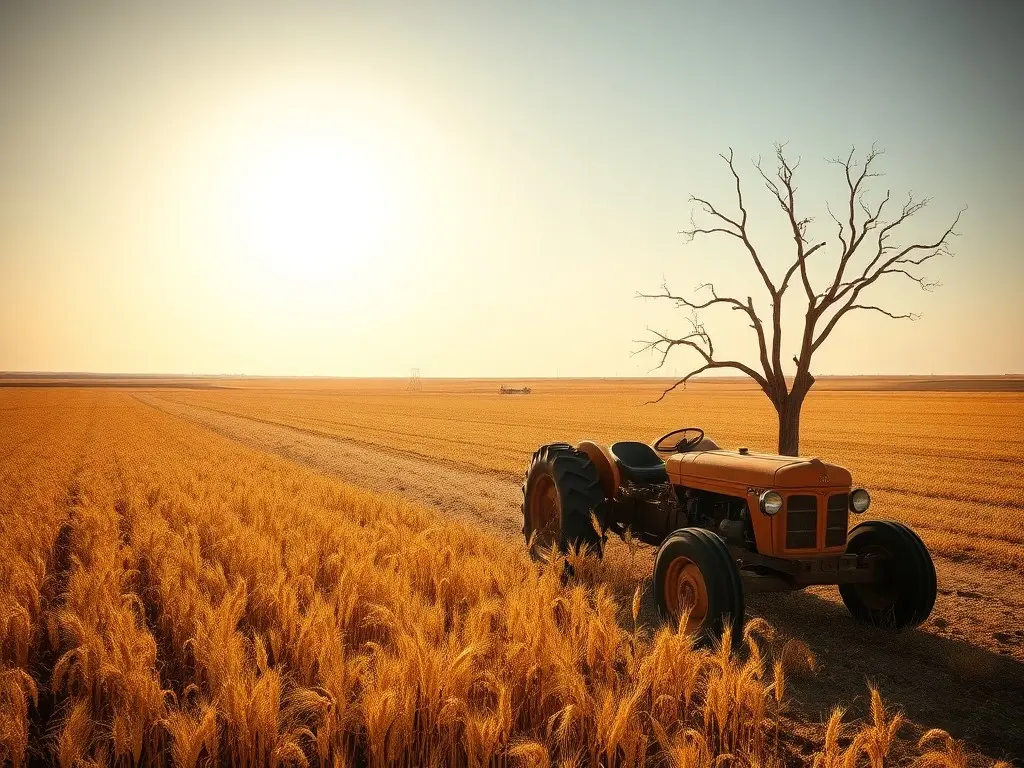
Kansas wheat farmers face their worst crop since 1972 due to extreme drought, record heat, and rising input costs, with production expected to drop 21% to 1.56 billion bushels. The USDA reports 58% of Kansas’ wheat crop is rated 'poor' or 'very poor,' mirroring conditions last seen in the 2023 drought, while farmers like Orville Williams anticipate yields as low as 10-15 bushels per acre on dryland fields.
Kansas wheat farmers are experiencing their worst harvest in 52 years, with yields plummeting due to severe drought, record-breaking temperatures, and soaring input costs. The U.S. Department of Agriculture (USDA) projects the 2024 wheat crop will total 1.56 billion bushels, a 21% decline from 2025, marking the smallest production since 1972. Kansas, a top U.S. wheat producer, has 58% of its crop rated as 'poor' or 'very poor' as of May 17, matching conditions from the 2023 drought, according to USDA data. Orville Williams, a 76-year-old farmer with a 2,600-acre operation in Montezuma, Kansas, expects yields to drop sharply this season. Last year, his irrigated fields produced nearly 100 bushels per acre, but this year he anticipates only 30-40 bushels, with dryland yields falling to 10-15 bushels. Williams attributes the decline to extreme drought, erratic temperature swings, and the spread of crop viruses like wheat streak mosaic and barley yellow dwarf, worsened by dry conditions. Rising costs for fertilizer, diesel fuel, and tariffs have compounded the financial strain, forcing many farmers to rely on crop insurance or pivot to other crops. Kansas State agronomist Romulo Lolloto described the situation as 'very tough,' warning that consumers will likely face higher bread prices and potential losses in international wheat markets. The USDA meteorologist Brad Rippey noted a downward trend in U.S. wheat acreage over the past decades, partly due to worsening weather extremes linked to climate change. Farmers have reported unseasonable heat, late freezes, and persistent rainfall shortages, further stressing crops. The challenges extend beyond Kansas, as the U.S. has lost ground in the global wheat market to competitors like Russia and the European Union. Williams, reflecting on the broader impact, advised fellow farmers to 'stay the course' and focus on essential expenses amid uncertainty. Experts emphasize that climate change, driven by fossil fuel emissions, is making farming increasingly difficult, with wheat production particularly vulnerable to extreme weather patterns.
This content was automatically generated and/or translated by AI. It may contain inaccuracies. Please refer to the original sources for verification.