Karma Automotive Takes the Hybrid Highway
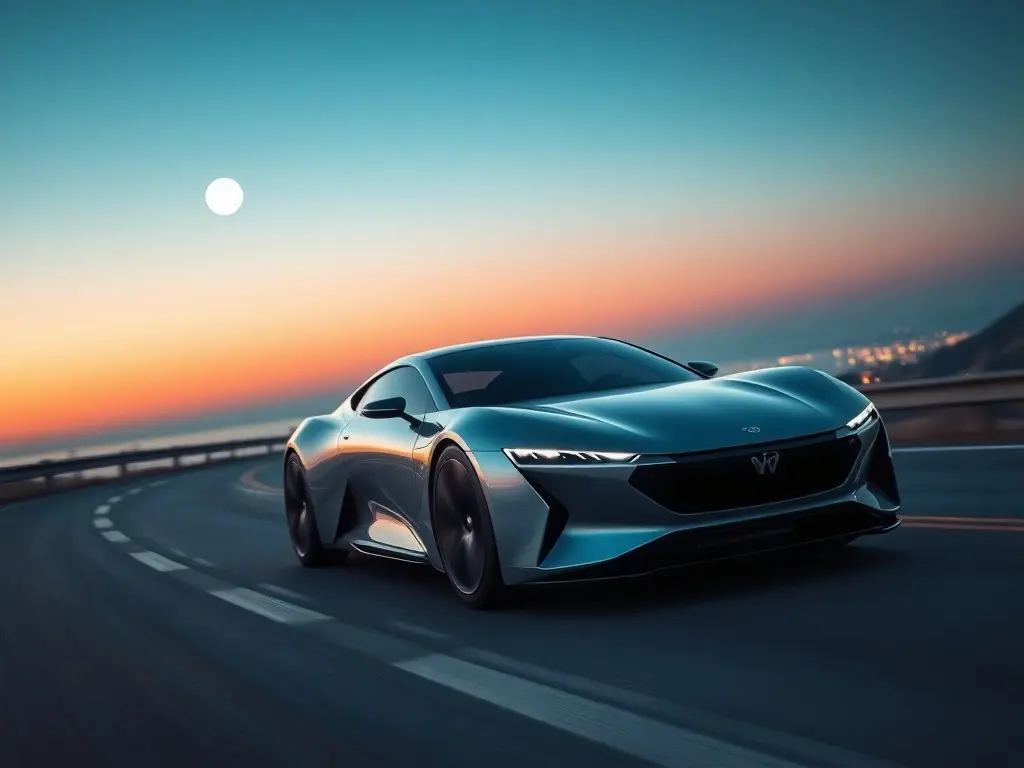
Karma Automotive CEO Marques McCammon announced a shift to extended-range electric vehicles (EREVs) for its 2026 Gyesera model, positioning it as a high-performance hybrid alternative to fully electric cars. The company plans to produce 50 Gyeseras this year at a starting price of $195,000, while also developing the Kaveya, a 1,000+ horsepower fully electric vehicle set for production in late 2027.
Karma Automotive, based in Irvine, California, is pivoting its strategy toward extended-range electric vehicles (EREVs) to cater to affluent buyers seeking luxury performance without charging infrastructure constraints. CEO Marques McCammon emphasized the appeal of EREVs, which combine electric drive benefits with traditional fuel efficiency, describing the approach as a 'new definition of exotic and ultra-luxury.' The company’s flagship 2026 model, the Gyesera—a grand coupe originally planned as an EV—will now launch with EREV hybrid technology, offering 68 miles per gallon while delivering Aston Martin-level performance, including a 0-60 mph acceleration time of 3.7 seconds. Each Gyesera will be a bespoke, 'one of one' vehicle with expanded customization, priced starting at $195,000, with production targeting 50 units this year. The shift reflects Karma’s broader move into ultra-luxury markets, as evidenced by its limited production volumes—just 146 Reveros were built in 2025. The Gyesera’s hybrid powertrain, paired with a 566-horsepower motor, aims to bridge the gap between electric performance and practicality, aligning with McCammon’s vision of 'driving an Aston Martin with 60-70 miles per gallon.' This approach contrasts with Karma’s earlier focus on fully electric vehicles, such as the 2021 GS-6 Series, which included both EREV and all-electric models. Karma remains committed to fully electric innovation, however, with the upcoming Kaveya, a hypercar scheduled for production from late 2027 to early 2028. The Kaveya will feature over 1,000 horsepower, a top speed of 200 mph, and a base price of around $300,000, serving as a showcase for solid-state battery technology. The company is collaborating with Boston-based Factorial Inc. to establish the first U.S. solid-state battery production program for passenger vehicles, with the Kaveya as the initial application. Founded in 2014 after the Wanxiang Group acquired Fisker Automotive’s assets, Karma operates as California’s sole ultra-luxury automaker, producing a few hundred vehicles annually at its 550,000-square-foot Moreno Valley plant. The company’s roadmap includes the Amaris GT, a two-door coupe with an EREV powertrain, set for testing in late 2026 and production in 2027. This model reflects Karma’s response to declining consumer interest in fully electric vehicles, while the Kaveya underscores its long-term commitment to cutting-edge battery technology. McCammon framed Karma’s strategy as a balance between innovation and market demand, arguing that EREVs provide 'immutable' efficiency and performance without the limitations of charging infrastructure. The Gyesera’s launch marks a pivotal moment for the brand, positioning it as a leader in high-performance hybrids while maintaining its focus on exclusivity and bespoke craftsmanship.
This content was automatically generated and/or translated by AI. It may contain inaccuracies. Please refer to the original sources for verification.