Kentucky data center tracker shows every project we know about so far
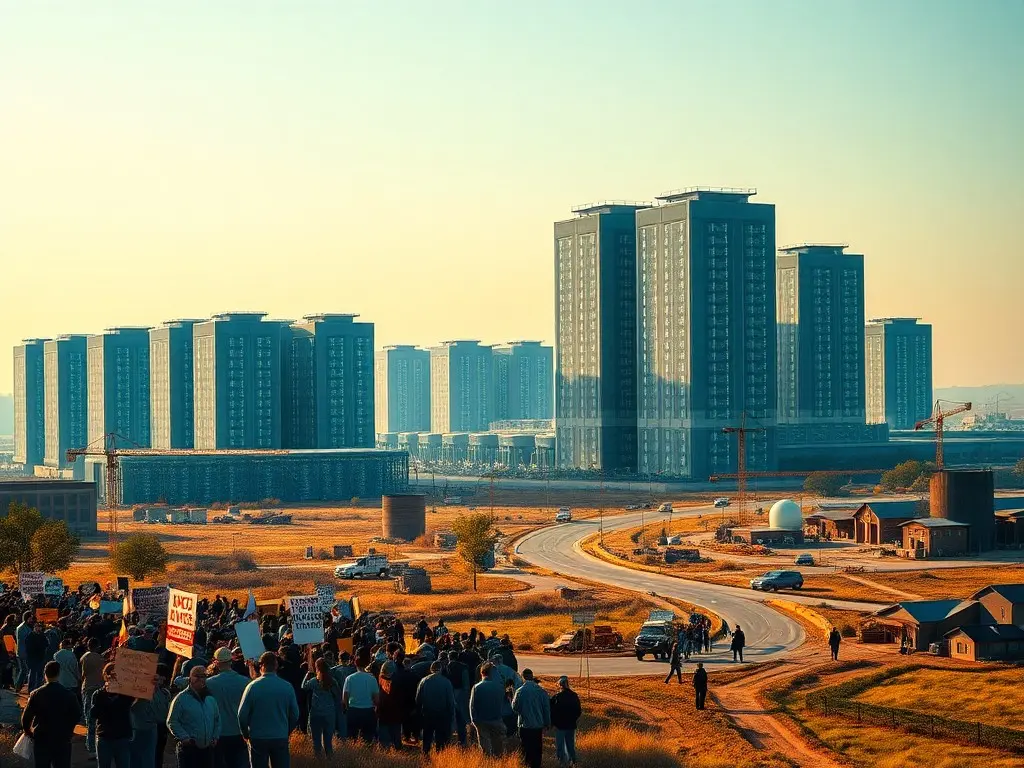
Kentucky is poised to receive over $30 billion in investments for hyperscale data centers driven by AI demand, raising environmental concerns over energy use and water consumption while offering economic benefits through tax revenue and incentives. Several projects are in development or stalled due to public opposition, with local governments considering moratoriums and new regulations to address impacts on communities and infrastructure.
Kentucky is emerging as a hotspot for hyperscale data center development, with developers planning over $30 billion in investments across the state. The surge is fueled by the AI boom, as companies like Google, Meta, and Microsoft seek to expand computing power to meet growing demand. These projects, however, have sparked environmental concerns, particularly regarding electricity consumption—some facilities could draw as much power as a mid-sized city—and water usage, with utilities like LG&E and KU struggling to meet the anticipated demand, primarily relying on fossil fuels. Local governments and communities are divided over the projects. While state incentives and potential tax revenue make data centers attractive, opposition has stalled some developments, prompting discussions about moratoriums and stricter zoning laws. The Courier Journal is tracking multiple projects in various stages, from construction to public debate, with updates expected as new information emerges. Data centers, which house servers and routers for services like email and social media, have long been essential infrastructure. However, the AI-driven demand has accelerated their expansion, with global investments projected to reach nearly $7 trillion by 2030. Kentucky’s appeal lies in its available land, existing industrial sites with favorable infrastructure, and state incentives aimed at attracting these high-capital ventures. Environmental impacts vary by project, but electricity usage remains a primary concern. Utilities are racing to upgrade infrastructure, though reliance on fossil fuels risks worsening air quality. Water consumption and cooling requirements also pose challenges, particularly in regions with limited resources. Some communities fear long-term effects on quality of life, leading to calls for stricter oversight and delays in approvals. The state has yet to see a full wave of operational hyperscale data centers, unlike neighbors such as Illinois and Indiana, where similar projects are already underway. As Kentucky balances economic growth with environmental and community concerns, the outcome of these developments will depend on regulatory decisions and public engagement in the coming years.
This content was automatically generated and/or translated by AI. It may contain inaccuracies. Please refer to the original sources for verification.