Kenya turns to smart tech for wildlife conservation
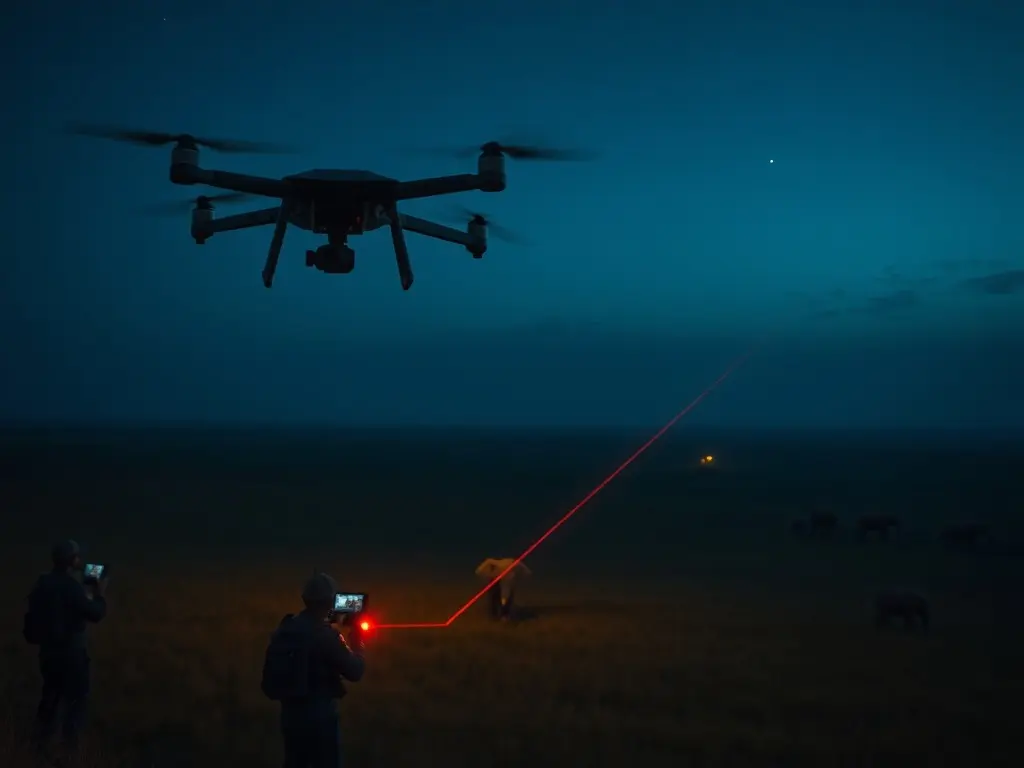
Kenya Wildlife Service (KWS) is deploying AI-powered drones, thermal imaging, and real-time digital platforms like EarthRanger to combat poaching and human-wildlife conflict in reserves such as Maasai Mara. The initiative, outlined in KWS’s 2024-28 strategic plan, integrates surveillance tech into ranger operations to enhance situational awareness and counter sophisticated wildlife crime networks.
Kenya’s Wildlife Service (KWS) is adopting artificial intelligence and drone technology to strengthen conservation efforts across its national reserves. The initiative includes AI-enabled thermal imaging for 24/7 surveillance, capable of distinguishing human and animal movement in real time, triggering instant alerts for rangers. Drones provide rapid aerial reconnaissance in remote areas like Maasai Mara, reducing response times during anti-poaching operations. The shift aligns with KWS’s 2024-28 strategic plan, emphasizing technology-driven conservation through integrated command centers and digital workflows. Victor Matsanza, head of conservation technology at KWS, stated that AI, drones, and advanced communication systems are now embedded in field operations. These tools help track wildlife movements and counter threats like poaching, which KWS Director General Erustus Kanga described as increasingly sophisticated, involving cross-border networks. In Maasai Mara, rangers use EarthRanger, a platform by the Allen Institute for Artificial Intelligence, to log patrols and monitor animals via GPS-collared wildlife. The mobile app records patrol coordinates and incidents in real time, replacing traditional methods like binoculars and radio calls. Kanga emphasized that modern conservation requires real-time data and predictive tools to address climate change pressures and ecosystem degradation. The digital transformation aims to match the technological capabilities of wildlife crime syndicates. KWS’s integration of AI and drones marks a broader continental trend, where science and data guide policy and field operations. The system’s success could serve as a model for other African nations facing similar conservation challenges.
This content was automatically generated and/or translated by AI. It may contain inaccuracies. Please refer to the original sources for verification.