Kenyan graduates turn to AI tools for farming as jobs dry up
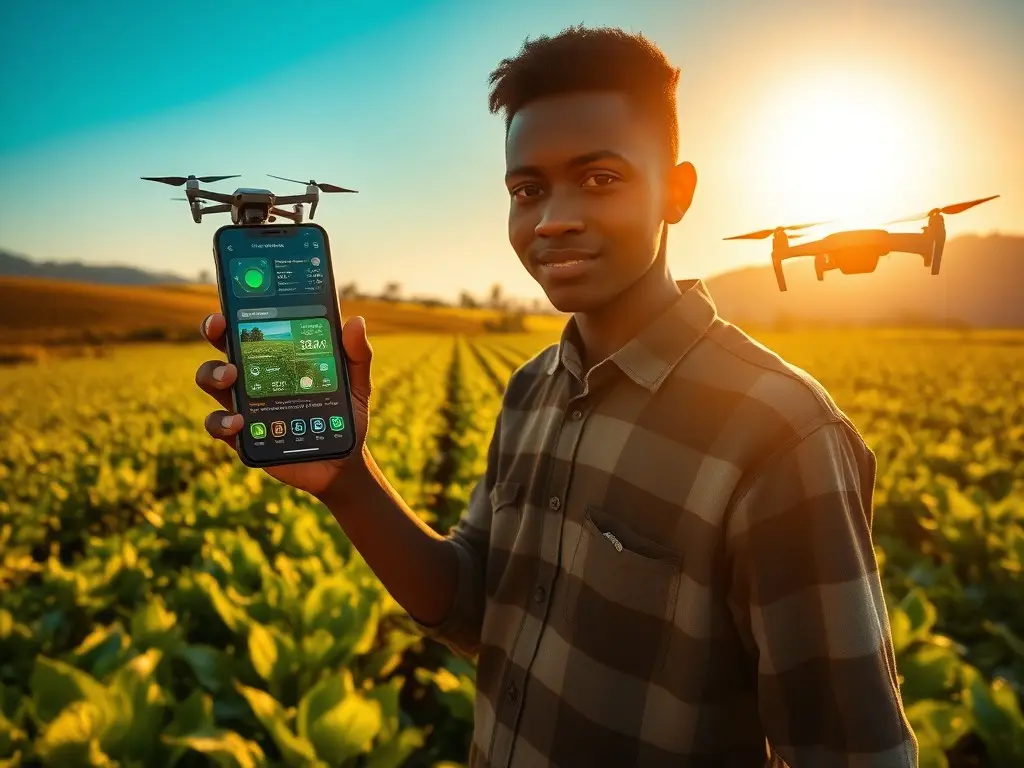
Young Kenyan graduates like Chepkorir Rotich and Geoffrey Kiprop are integrating AI and digital tools into farming after struggling to secure formal jobs, using mobile apps and social media to boost productivity and market produce. Experts, including those from the FAO and Murang’a University, highlight the role of technology and vocational training in attracting youth to modern agriculture as a sustainable livelihood option.
In Kenya’s Kericho County, young graduates are turning to AI-driven farming as traditional job markets remain inaccessible. Chepkorir Rotich, a 33-year-old mother of two, abandoned her hopes of formal employment after years of low-paying contract work in Nairobi. Now, she combines traditional farming with digital tools, using social media to market her milk and vegetables while teaching modern techniques to nearly 50,000 followers. Rotich challenges the FAO’s claim that African farmers average 60 years old, arguing that land access barriers deter youth. She began farming in her rented home’s compound, selling produce to her landlord to offset rent costs. Her success stems from passion and consistency, proving agriculture can sustain young Kenyans when paired with technology. The University of Nairobi’s Kiringai Kamau emphasizes youth’s potential to innovate in agriculture, citing the need for tech integration. Murang’a University’s new agroecology and AI learning center aims to train young farmers to leverage agricultural data systems, linking them to national and global networks. Geoffrey Kiprop, a 32-year-old IT graduate, mirrors Rotich’s journey. After failing to secure formal employment, he supplements income with contract IT work and now incorporates farming into his livelihood. Experts like Derrick Ngigi of GODAN note that digital content creation—such as tutorials on modern farming—generates revenue for youth embracing agriculture. The shift reflects broader trends: technology is bridging gaps in Kenya’s job market, offering young farmers tools to compete. While challenges like land access persist, digital innovation and vocational training are redefining agriculture as a viable, future-focused career.
This content was automatically generated and/or translated by AI. It may contain inaccuracies. Please refer to the original sources for verification.