Kids rely on AI before adults for homework help, health and personal problems, study finds
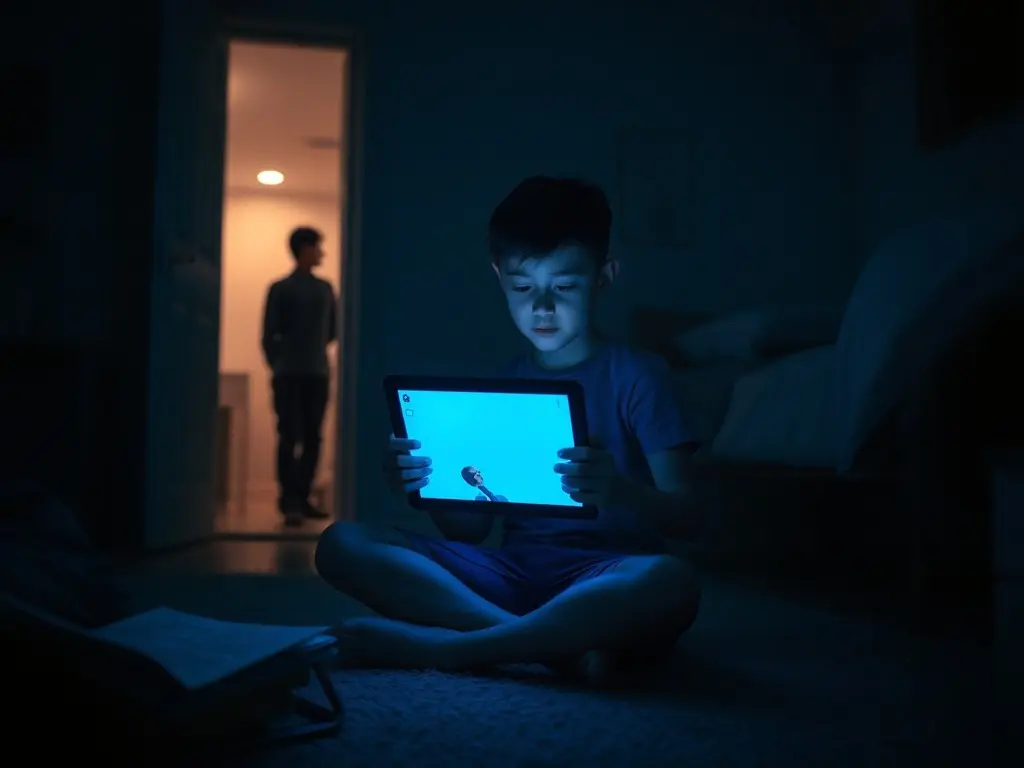
A Common Sense Media survey of 1,204 U.S. children aged 9-17 found that 9 in 10 use AI daily for tasks like homework, health advice, and emotional support before turning to adults, with 20% struggling to stop using it for a month. Nearly a quarter prefer AI over teachers or parents for schoolwork, and gaps in AI literacy and safety education were highlighted, with many kids failing to recognize AI’s limitations in distinguishing truth from falsehoods.
A national survey by Common Sense Media found that nearly 9 in 10 children aged 9 to 17 in the U.S. use or interact with artificial intelligence, including about 1 in 4 who do so daily. The report, based on responses from 1,204 children, revealed that kids primarily turn to AI for entertainment, schoolwork, and creative tasks like generating images and videos. About half seek AI assistance for health-related questions or advice on future decisions, while nearly a quarter would use AI for homework before asking a teacher, counselor, or parent. Researchers noted concerns over AI dependency, with 20% of children saying it would be difficult to stop using AI for a month, rising to 42% among daily users. Kids struggling with math, writing, or challenging assignments were more likely to rely on AI weekly or more. Some respondents admitted using AI to complete schoolwork, including manipulating outputs to appear handmade. The study also found that about 1 in 10 children felt AI understood them better than most people, with 19% of daily users sharing this sentiment. Lonelier children were more likely to use AI for social and emotional support, such as practicing social skills or discussing personal problems. Researchers warned that heavier AI use was linked to increased loneliness and reduced happiness among teens, though they acknowledged uncertainty over whether AI use caused these feelings or simply reflected existing struggles. Gaps in AI education were evident: nearly half of children had not discussed AI safety with parents or teachers, and only a third correctly understood that AI cannot reliably distinguish true from false information. When inappropriate content appeared in AI responses, 1 in 6 users did not inform a trusted adult. The report emphasized that AI rules are still being developed, leaving many teens without guidance on safe usage in classrooms or at home. Many children also reported understanding AI better than adults, with some correcting parents on identifying fake AI-generated content. The study concluded that while AI offers tools for learning and creativity, its risks—such as dependency, misinformation, and emotional displacement—require urgent attention from educators and families.
This content was automatically generated and/or translated by AI. It may contain inaccuracies. Please refer to the original sources for verification.