Kroger expands digital price tags as pricing concerns grow
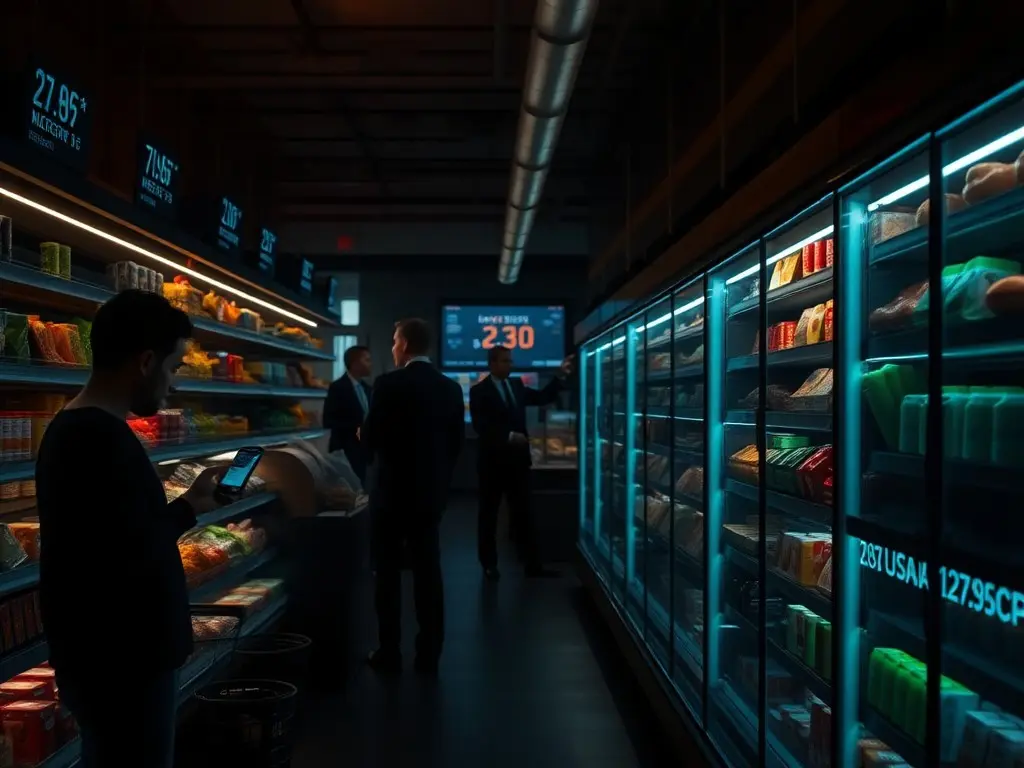
Kroger has installed electronic shelf labels (ESLs) in nearly 25% of its U.S. stores, including all but one location in its Cincinnati region, to improve price accuracy and reduce labor costs. Critics, including U.S. Senator Elizabeth Warren, have raised concerns about potential 'surge pricing,' but Kroger insists the technology will not be used to raise prices and will instead lower costs and enhance efficiency.
Kroger, the Cincinnati-based supermarket giant, has expanded the use of electronic shelf labels (ESLs) in nearly one out of every four of its stores nationwide, according to a statement provided to The Cincinnati Enquirer. The company reported that all but one of its 104 stores in the Cincinnati, Northern Kentucky, and Dayton region now use the technology, while nearly all of its 21 retail divisions across the U.S. have begun deployment. Kroger operates stores under multiple banners, including Kroger, Fred Meyer, Ralphs, Harris Teeter, and others, though Harris Teeter, Ruler Foods, and Midwestern Food 4 Less stores remain without the labels. The ESLs allow Kroger to update prices remotely, eliminating the need for manual label changes and saving labor hours. The company claims the technology will improve price accuracy and free up employees to assist customers. However, critics fear the system could enable dynamic pricing, such as raising prices during peak demand—a practice known as surge pricing. U.S. Senator Elizabeth Warren, D-Massachusetts, has demanded transparency from Kroger, citing concerns about predatory pricing amid rising inflation. Kroger began testing ESLs in a dozen stores last fall, primarily in Cincinnati suburbs, before quietly rolling them out more widely. The labels themselves resemble traditional price tags but are encased in small, white plastic frames. While the company has not disclosed a completion timeline for the national rollout, it confirmed that most divisions have already started using the technology. The rollout comes as inflation remains a major consumer concern, with U.S. grocery prices rising 31% since March 2020, according to the U.S. Bureau of Labor Statistics. Kroger has explicitly denied using the labels for surge pricing, stating in a response to Senator Warren that ESLs will be used to lower costs rather than increase them. The company’s defense highlights its focus on operational efficiency, though public skepticism persists over the long-term implications of digital pricing systems in retail.
This content was automatically generated and/or translated by AI. It may contain inaccuracies. Please refer to the original sources for verification.