Labour loses half of its London councils: How one day transformed the political map of the capital
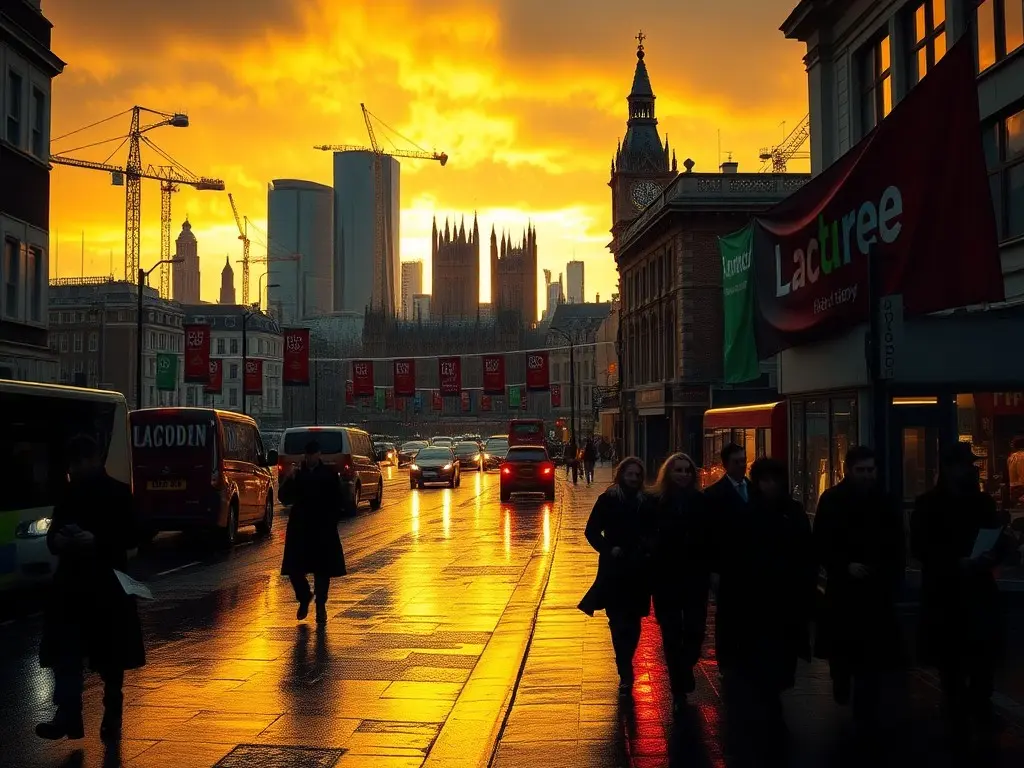
Labour lost control of more than half its London boroughs in local elections, with the Green Party gaining Lewisham, Hackney, and Waltham Forest, while Westminster reverted to Conservative control. Mayor Sadiq Khan called the results 'bitterly disappointing,' attributing losses to voter frustration over slow progress, as Labour suffered nationwide seat losses to Greens and SNP in Scotland.
Labour suffered a major setback in London’s local elections, losing control of over half its boroughs after voters rejected its performance. The party retained only ten councils, with the Green Party winning Lewisham, Hackney, and Waltham Forest—areas previously considered Labour strongholds. Mayor Sadiq Khan described the results as 'bitterly disappointing,' blaming a 'slow pace of change' and voter impatience, while acknowledging London had been 'taken for granted for too long.' Westminster, one of three boroughs Labour seized from the Conservatives in 2022, was lost back to the Tories, while Brent, Enfield, Haringey, and Southwark fell into no overall control. Labour’s losses extended beyond London, with Plaid Cymru becoming Wales’ largest party after 27 years of Labour dominance and the SNP securing a fifth consecutive term in Scotland. Nationwide, Labour lost over 1,400 seats, signaling broader disillusionment. Green Party leader Zack Polanski claimed Labour had been 'decisively rejected,' citing Hackney’s mayoral win by Zoe Garbett as proof of a shift toward progressive policies. He argued voters supported the Greens for offering a 'vision and a plan' amid political fragmentation. Labour leader Keir Starmer acknowledged responsibility, visiting Ealing activists to admit the losses were 'very tough' and pledged to reflect on the results. The Prime Minister appointed Labour veterans Gordon Brown and another figure to his government, signaling an attempt to reset his premiership amid leadership challenge speculation. Downing Street framed the moves as part of a broader effort to address voter dissatisfaction, though Labour’s electoral decline underscores growing pressure on Starmer’s leadership.
This content was automatically generated and/or translated by AI. It may contain inaccuracies. Please refer to the original sources for verification.