Lahore Fort Picture Wall restoration: a milestone for heritage conservation
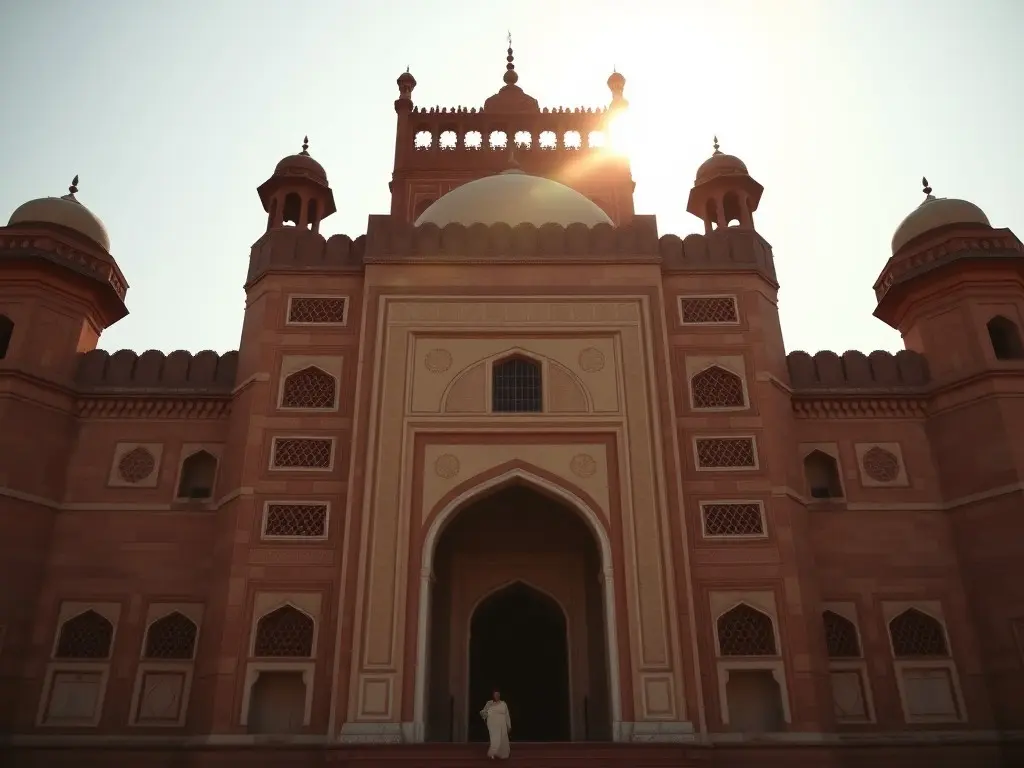
The 10-year restoration of Lahore Fort’s 475-meter Picture Wall, completed in April 2026, was praised by UNESCO as a landmark heritage conservation project in Pakistan, blending scientific methods and international collaboration. The wall, a 17th-century Mughal mural depicting hunting scenes and artistic traditions, now stands as a model for safeguarding cultural heritage while fostering local expertise and tourism.
The restoration of Lahore Fort’s 475-meter Picture Wall, a decade-long project completed in April 2026, has been recognized by UNESCO as one of Pakistan’s most ambitious heritage conservation efforts. The wall, one of the world’s largest Mughal murals, spans 475 meters and rises to an average height of 17 meters, featuring nearly 2,000 panels with hunting scenes, battle processions, flora, fauna, and intricate tile mosaics created during the reigns of Mughal emperors Jahangir and Shah Jahan. The project, led by Aga Khan Cultural Service - Pakistan (AKCS-P) with support from the Walled City of Lahore Authority (WCLA), involved international partners including the US Embassy, Royal Norwegian Embassy, and German Federal Foreign Office. Restoration efforts began in 2015 with a science-led approach, using 3D laser scanning, electronic distance measurement, and high-resolution photography to preserve original materials like glazed tile mosaics, frescoes, terracotta, marble, and sandstone. UNESCO Representative Fuad Pashayev highlighted the project’s success in combining scientific rigor, international cooperation, and local expertise, calling it a model for strengthening Lahore Fort’s Outstanding Universal Value. The initiative also revived traditional conservation skills, training apprentices who later became skilled practitioners, ensuring long-term sustainability of heritage craftsmanship. Beyond cultural preservation, the restoration boosted tourism and created employment opportunities, engaging hundreds of workers. The project’s phased approach prioritized authenticity, avoiding redesign while ensuring the wall’s long-term durability. UNESCO encouraged Pakistan to continue this model of excellence in heritage conservation, emphasizing its role in fostering cultural exchange and pluralism.
This content was automatically generated and/or translated by AI. It may contain inaccuracies. Please refer to the original sources for verification.