Lawyers urge judge to block Trump order that would create eligible voter list, limit mail ballots
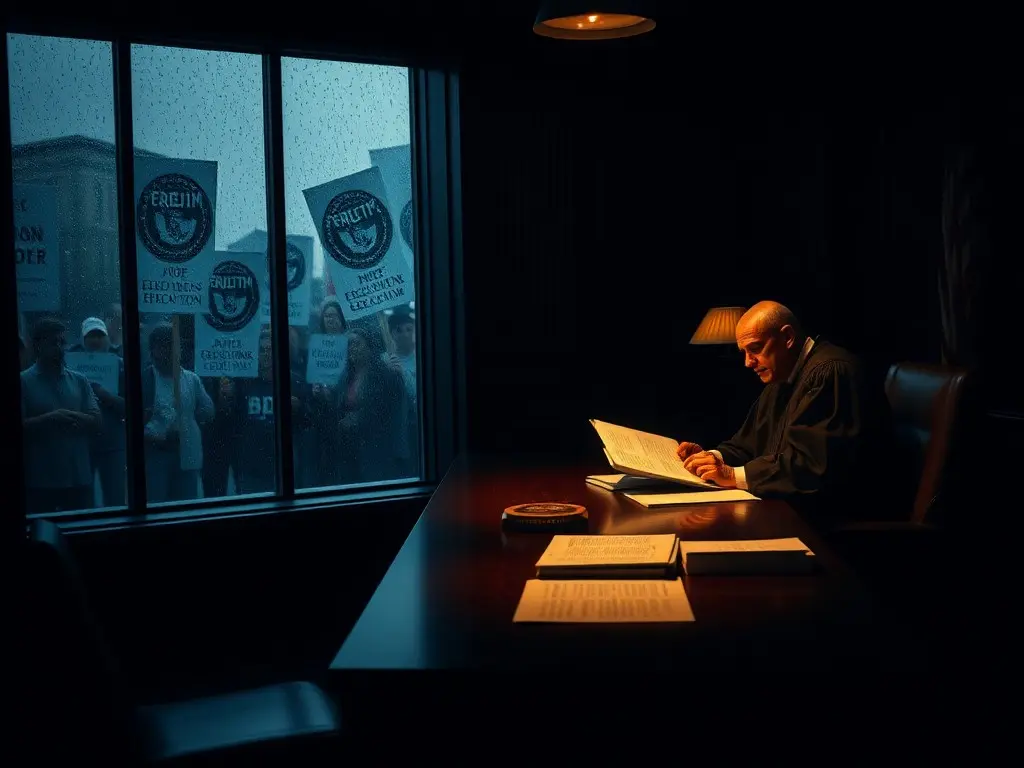
Attorneys representing Democrats and civil rights groups urged U.S. District Judge Carl Nichols to block President Donald Trump’s executive order, which aims to restrict mail ballots and create a federal eligible voter list, arguing it exceeds presidential authority. The legal challenge comes amid primary elections and preparations for the midterm elections, with Trump’s order facing criticism for potentially suppressing voter access and creating confusion for election officials.
Attorneys for Democrats and civil rights groups filed a request on May 14 with U.S. District Judge Carl Nichols to block President Donald Trump’s March 31 executive order, which directs federal agencies to compile a list of eligible voters and restricts mail ballots. The plaintiffs argue Trump exceeded his constitutional authority, as only states and Congress have the power to regulate elections, and the order is designed to suppress voter registration and access, particularly benefiting Republicans. The order, Trump’s second related to elections since his return to office, follows the failure of his voting bill in Congress. It requires the Department of Homeland Security to create a list of adults the U.S. government has ‘confirmed’ as citizens and share it with states at least 60 days before federal elections. Additionally, it seeks to prohibit the U.S. Postal Service from sending absentee ballots to those not on state-approved lists. Judge Nichols, nominated to the bench by Trump, questioned both sides but did not rule immediately. Justice Department attorney Stephen Pezzi argued the lawsuit is premature, as the voter list has not yet been created, while plaintiffs’ attorneys, including Orion Nevers of the NAACP and Lalitha Madduri for Democratic Party plaintiffs, called the order unlawful and harmful amid election season. Danielle Lang of the League of United Latin American Citizens claimed the order aims to create chaos for local election officials. Trump has repeatedly pushed to restrict mail voting, falsely claiming widespread fraud, despite audits and reviews—including Republican-led ones—debunking those claims. His 2023 order follows his post-2020 election efforts to investigate voter irregularities and his calls for Republicans to ‘take over’ elections in Democratic-leaning areas. The legal battle intensifies as primary elections proceed and officials prepare for the November midterms.
This content was automatically generated and/or translated by AI. It may contain inaccuracies. Please refer to the original sources for verification.