‘Learning Recession’: Why Student Test Scores Have Seen a Decade-Long Decline Across the U.S.
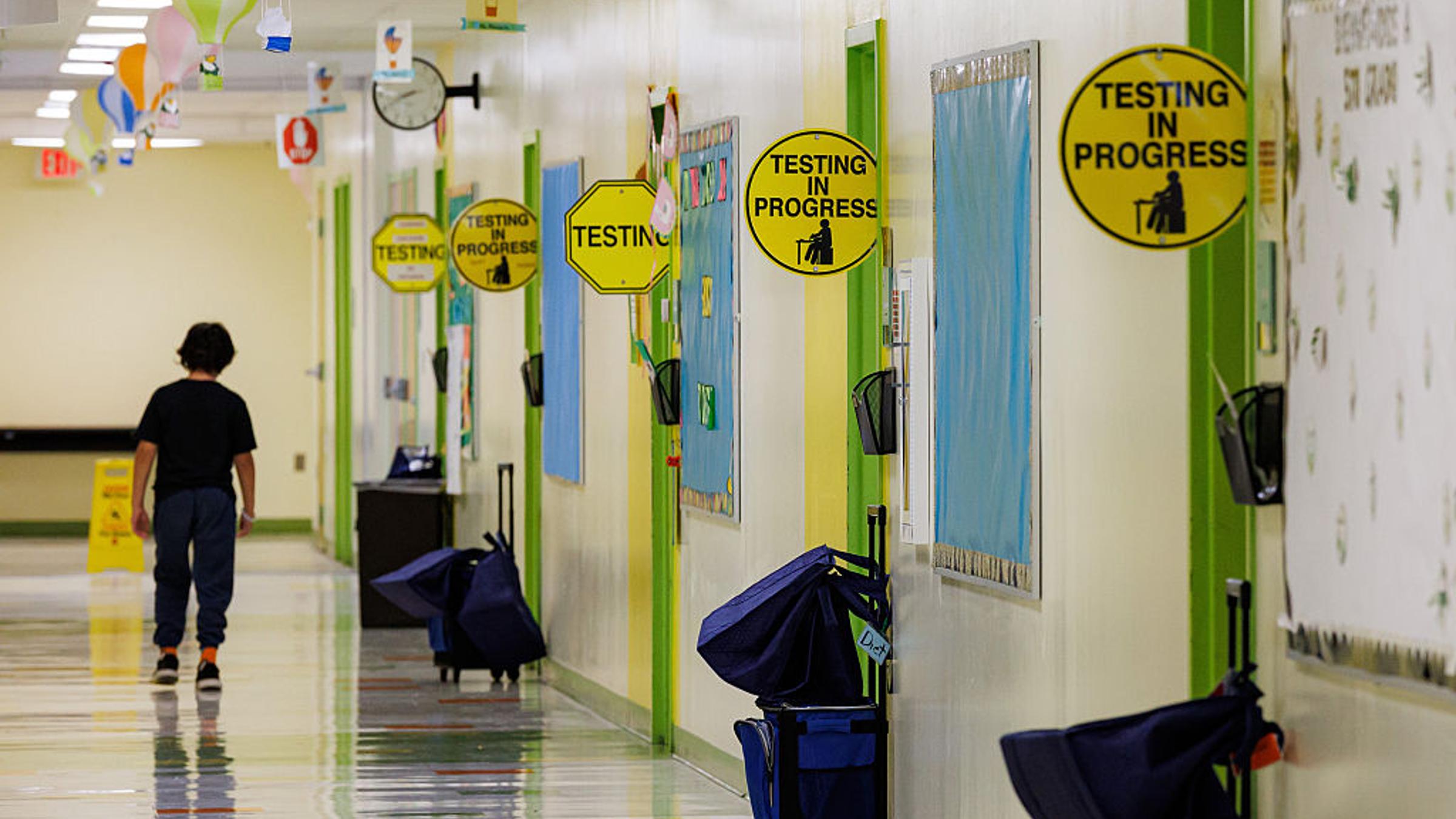
American students in grades K-12 have seen a decade-long decline in reading and math test scores, with 2025 scores showing students are 60% of a school year behind in reading and 40% behind in math compared to 2015, according to Stanford University and Harvard research. The decline began in 2013, accelerated during the COVID-19 pandemic, and experts link it to reduced test-based accountability and rising social media use among teens, though the exact impact remains unclear.
New data from the Educational Opportunity Project at Stanford University and the Education Scorecard—led by Harvard and Stanford researchers—reveals a decade-long decline in U.S. student test scores. In 2025, reading scores for grades K-12 fell roughly 0.6 grades below 2015 levels, while math scores dropped by 0.4 grades, leaving students 60% of a school year behind in reading and 40% in math compared to a decade ago. The downward trend began in 2013, after steady improvements from 1990 to 2013, marking the start of a 'learning recession' where math and reading gains stalled or reversed. The COVID-19 pandemic worsened the decline, particularly in math, though reading scores continued to fall steadily. By 2025, eighth-grade reading scores hit their lowest point since 1990, while fourth-grade reading scores matched pre-2003 levels, though some states showed slight rebounds in 2025. Experts attribute the decline to two key factors: the weakening of test-based accountability systems—such as those from the 1990s and 2000s—and the explosion of social media use among teens. Sean Reardon, Stanford’s faculty director of the Educational Opportunity Project, noted that the U.S. has not prioritized public education improvements in the past decade. Harvard professor Thomas Kane, a report co-author, added that social media’s impact on youth learning remains poorly understood, though its rise coincided with the decline. The report highlights that while math scores showed some recovery post-pandemic, reading scores remained stagnant until 2025. Researchers emphasize that the U.S. still has significant ground to regain to match pre-2013 achievement levels. The findings underscore a broader national challenge in reversing long-term academic stagnation and addressing systemic educational gaps.
This content was automatically generated and/or translated by AI. It may contain inaccuracies. Please refer to the original sources for verification.