Lebanon considers its largest amnesty in 35 years but some are protesting
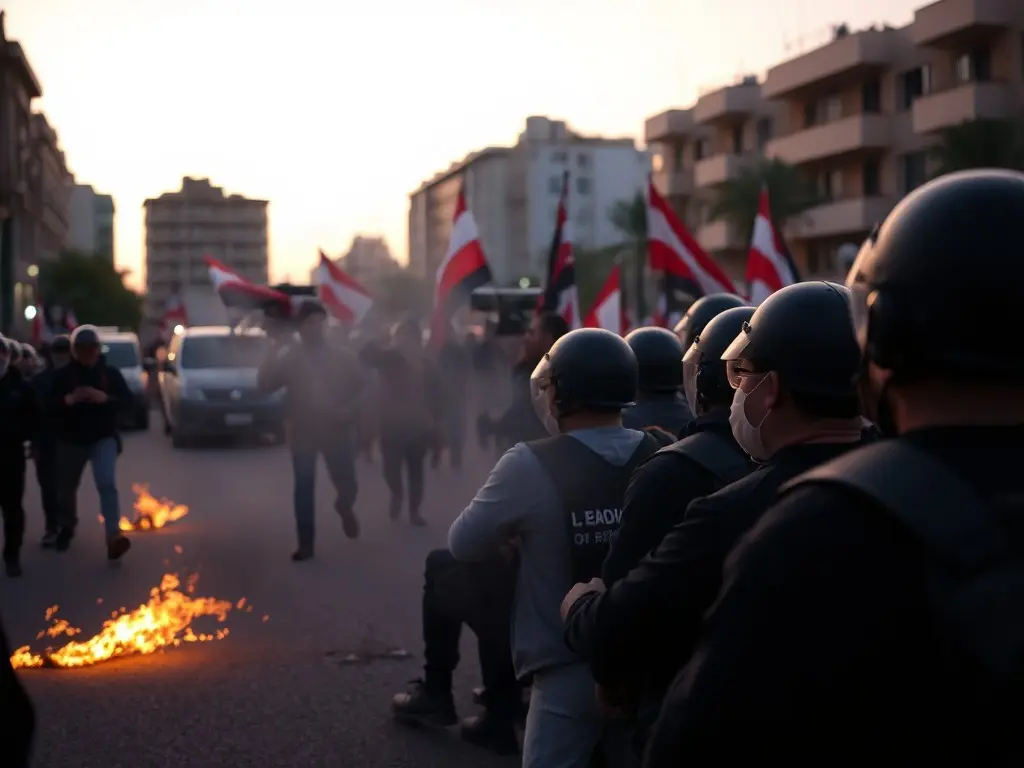
Lebanon’s parliament is debating its largest amnesty in 35 years, which would reduce sentences for thousands of detainees—including convicted militants like Ahmed al-Assir, who faces a death sentence for killing Lebanese soldiers. Families of fallen troops and opposition groups are protesting the measure, citing concerns over justice and sectarian divisions in the country’s political system.
Lebanon is set to consider its most sweeping amnesty since the end of its 1975-90 civil war, a law that could see nearly 3,000 detainees freed, including those serving death sentences or life terms. The proposed legislation excludes crimes like rape, terrorism funding, and premeditated murder, but would reduce penalties for convicted militants and drug dealers, particularly in the cannabis-growing Baalbek region. Overcrowding in prisons and political pressure have accelerated the push for the amnesty, despite delays caused by Israel’s recent military actions targeting Hezbollah. One of the most contentious cases involves Ahmed al-Assir, a radical Sunni cleric sentenced to death for the 2013 killings of 18 Lebanese soldiers, including first lieutenant George Bou Saab. Samira Bou Saab, the victim’s mother, has protested the amnesty, arguing that al-Assir’s potential release would deny justice to her family. Al-Assir’s wife, Amal Shamseddine, has countered that he is a victim of a conspiracy by Hezbollah, calling his imprisonment unjust. The amnesty draft reflects Lebanon’s deep sectarian divisions, with Sunni lawmakers advocating for Islamist releases, Shiite representatives pushing for drug dealer amnesties, and Christian politicians demanding pardons for former South Lebanon Army members who fled to Israel after its 2000 withdrawal. The last major amnesty in 1991 followed the civil war but later enabled militia leaders to enter Lebanon’s ruling class, contributing to decades of corruption and economic collapse. Critics warn the current proposal could repeat past failures by rewarding convicted criminals without addressing systemic issues. Families of fallen soldiers staged protests outside Beirut’s parliament, placing empty military boots to symbolize their opposition. Meanwhile, lawmakers insist the measure is necessary to ease prison overcrowding and stabilize the country amid ongoing crises.
This content was automatically generated and/or translated by AI. It may contain inaccuracies. Please refer to the original sources for verification.