Life-changing medicine or beauty hack? How Ozempic came to be seen as both, and why that's risky
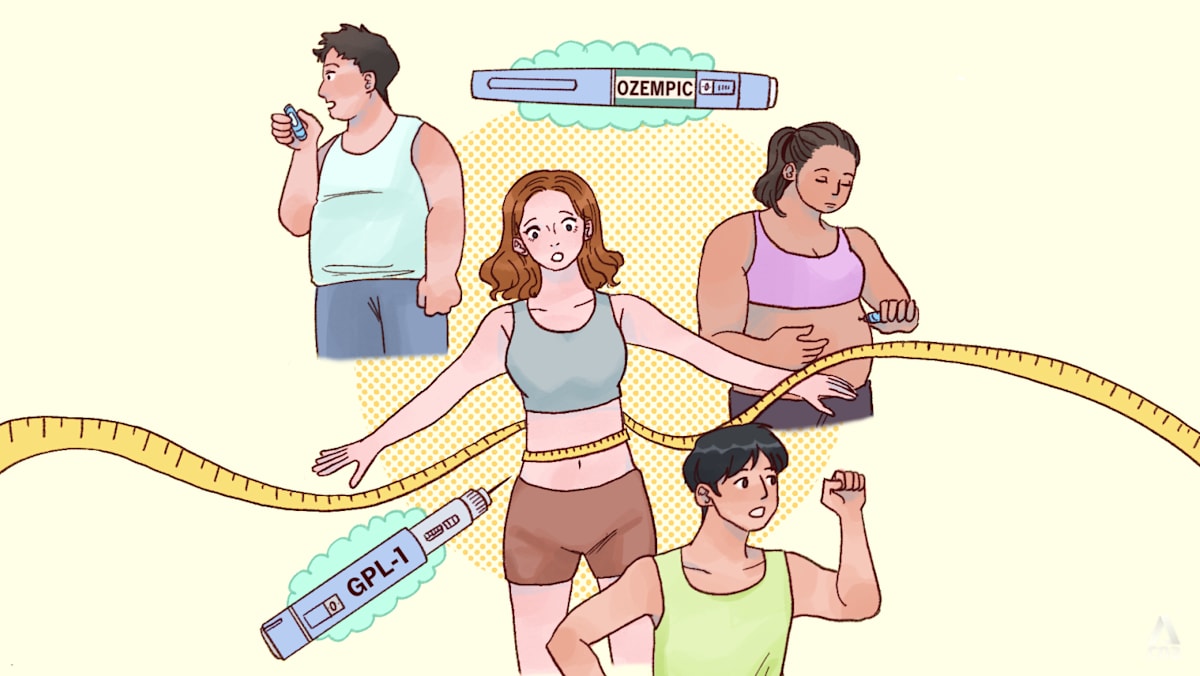
Singapore’s Jane Chambers, a 40-year-old with severe heart and diabetes complications, relied on Ozempic for survival after postpartum heart failure, losing weight and stabilizing blood sugar. Meanwhile, demand for GLP-1 medications like Ozempic surged in Singapore from 1,500 users in 2023 to 6,400 in 2025, driven by social media trends and celebrity endorsements, despite risks of misuse for cosmetic weight loss.
Jane Chambers, a 40-year-old Singaporean and head of marketing, nearly died after a complicated pregnancy left her heart functioning at just 28% capacity. Diagnosed with preeclampsia and severe weight gain, she weighed 120kg at birth and faced a high risk of heart attack without intervention. Her endocrinologist prescribed Ozempic, a GLP-1 medication originally developed for Type 2 diabetes, to regulate her appetite and blood sugar. Ozempic mimics the hormone glucagon-like peptide-1 (GLP-1), reducing hunger and slowing digestion while improving blood sugar control. For Chambers, the drug drastically cut her portion sizes, stabilized her glucose levels, and eased her breathing—though she remains on heart medication. Her weight loss was medically necessary, not cosmetic, but her experience contrasts with the drug’s growing reputation as a viral ‘beauty hack.’ Singapore’s Ministry of Health reported a sharp rise in Ozempic and Wegovy prescriptions, from 1,500 users in 2023 to 6,400 in 2025, driven by public awareness and doctor familiarity. Clinics now receive 50–70 daily inquiries, though only a fraction of patients qualify. Experts warn the trend risks misusing GLP-1 drugs for weight loss without addressing underlying health conditions. Social media and celebrity endorsements have amplified Ozempic’s association with rapid transformations, overshadowing its medical purpose. While effective for diabetes and obesity, off-label use for cosmetic weight loss poses health risks, including nutrient deficiencies and rebound weight gain. Singapore’s doctors urge caution, emphasizing the drug’s proper use under medical supervision.
This content was automatically generated and/or translated by AI. It may contain inaccuracies. Please refer to the original sources for verification.