Live Updates: As Iran and the U.S. appear near a deal, Israel ramps up its war in Lebanon
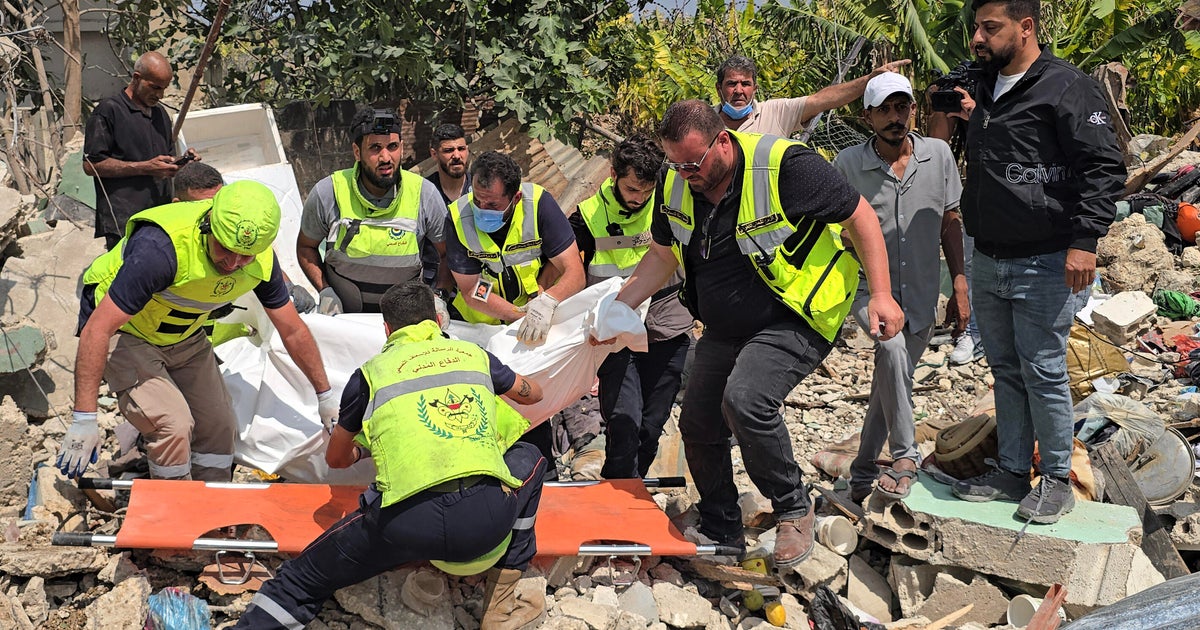
Iran’s state TV revealed a leaked draft of the 'Islamabad Framework,' a proposed U.S.-Iran deal including reopening the Strait of Hormuz with commercial fees, lifting U.S. sanctions on Iranian ports, and potential U.S. troop withdrawals from the Middle East, though key issues like Iran’s nuclear program remain unresolved. Meanwhile, Israel escalated airstrikes in Lebanon, killing over 30 people in a single day as tensions with Hezbollah rise, complicating regional ceasefire efforts tied to broader Iran-U.S. negotiations.
Iran’s state-run IRIB TV disclosed a leaked 14-point draft of the 'Islamabad Framework,' an unofficial memorandum of understanding between Iran and the U.S. The deal would extend their ceasefire, reopen the Strait of Hormuz to commercial shipping within a month, and lift U.S. restrictions on Iranian ports and vessels. Iran would retain authority over inspections and impose service fees, while excluding military traffic from the strait. The draft also outlines a U.S. commitment to withdraw forces from the Middle East, though specifics—such as whether this applies only to recent deployments or long-standing troops—remain under negotiation. If direct talks produce a final agreement within 60 days, it would be formalized as a binding UN Security Council resolution. However, major sticking points, including Iran’s nuclear program, could derail progress. Meanwhile, Israel intensified its campaign in Lebanon, targeting Iranian-backed Hezbollah. Lebanese officials reported over 30 deaths in Israeli airstrikes on Tuesday alone, escalating a parallel conflict amid broader regional tensions. Iran has demanded an end to hostilities in Lebanon as part of any peace deal with the U.S. A senior Iranian Revolutionary Guard official stated that renewed U.S.-Iran conflict remains unlikely but emphasized Iran’s readiness for any outcome as negotiations continue. U.S. President Joe Biden’s administration, however, faces criticism over the draft’s potential to leave critical issues unresolved. The IRIB report also noted that 23 commercial vessels received clearance to transit the Strait of Hormuz under Iranian conditions, which prohibit passage by 'hostile' nations. Iran’s Foreign Ministry spokesman, Esmail Baqaei, reiterated that coastal states—Iran and Oman—must establish a defined mechanism for managing the strait’s operations. The draft remains unfinalized, with significant risks that disputes over contentious issues could prevent direct negotiations from advancing.
This content was automatically generated and/or translated by AI. It may contain inaccuracies. Please refer to the original sources for verification.