Local elections 2026: What's at stake for Starmer, Labour and London?
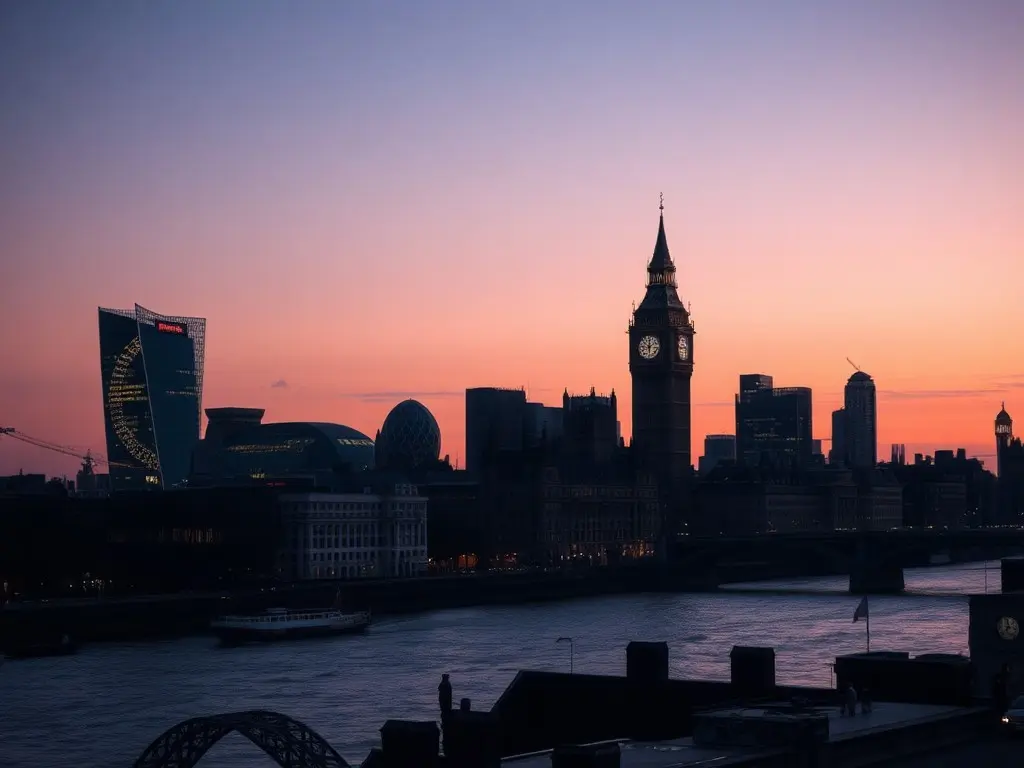
Labour faces potential heavy losses in the 2026 local elections across England, with London at risk of seismic shifts in governance as Reform UK and the Greens gain ground, threatening no overall control in multiple boroughs. The outcome could delay key decisions on housing and licensing while reshaping London’s political landscape, with Reform UK and the Greens challenging traditional party dominance and potentially introducing new governance models.
The 2026 local elections in England, including those for the Scottish Parliament and Welsh Assembly, are shaping up to be a critical test for Keir Starmer and the Labour Party. Early results suggest Labour could suffer heavy losses, with Reform UK already declaring victory in Havering, east Outer London, and the Greens also making gains. This shift threatens to leave many councils without a clear majority, leading to potential paralysis, gridlock, and the need for fragile coalitions to govern London’s boroughs. London has long been Labour’s stronghold, but the surge in support for Reform UK and the Greens risks reshaping local governance. Professor Tony Travers of LSE London warned that the decline of Labour and Conservative votes will create more councils with no majority control, making decision-making on housing and licensing far more difficult. While coalitions could introduce new ideas and reduce corruption risks, they may also lead to more divisive politics, as Reform UK and the Greens seek to challenge Labour and the Conservatives. The rise of Reform UK and the Greens could bring fresh perspectives to London’s local government, potentially addressing issues like inequality and wasteful spending. However, forming stable coalitions with these parties may prove challenging, especially under Nigel Farage’s Reform UK, which aims to dismantle the Conservatives. The Greens, led by Zack Polanski, are also pushing to replace Labour as the dominant left-wing party. In the short term, the elections could force Keir Starmer to confront his leadership, with the Prime Minister’s future hanging in the balance. The outcome may also pave the way for a more collaborative, German-style political system in the long run, though immediate governance will likely be marked by instability and horse-trading. For now, the focus remains on Friday’s results, which will determine whether Labour’s losses are manageable or catastrophic. The elections could redefine London’s political landscape, with major implications for housing, public services, and the capital’s future development.
This content was automatically generated and/or translated by AI. It may contain inaccuracies. Please refer to the original sources for verification.