Long Island Sound Shell Shock: Farmed Oysters Hooking Up With Wild Neighbors
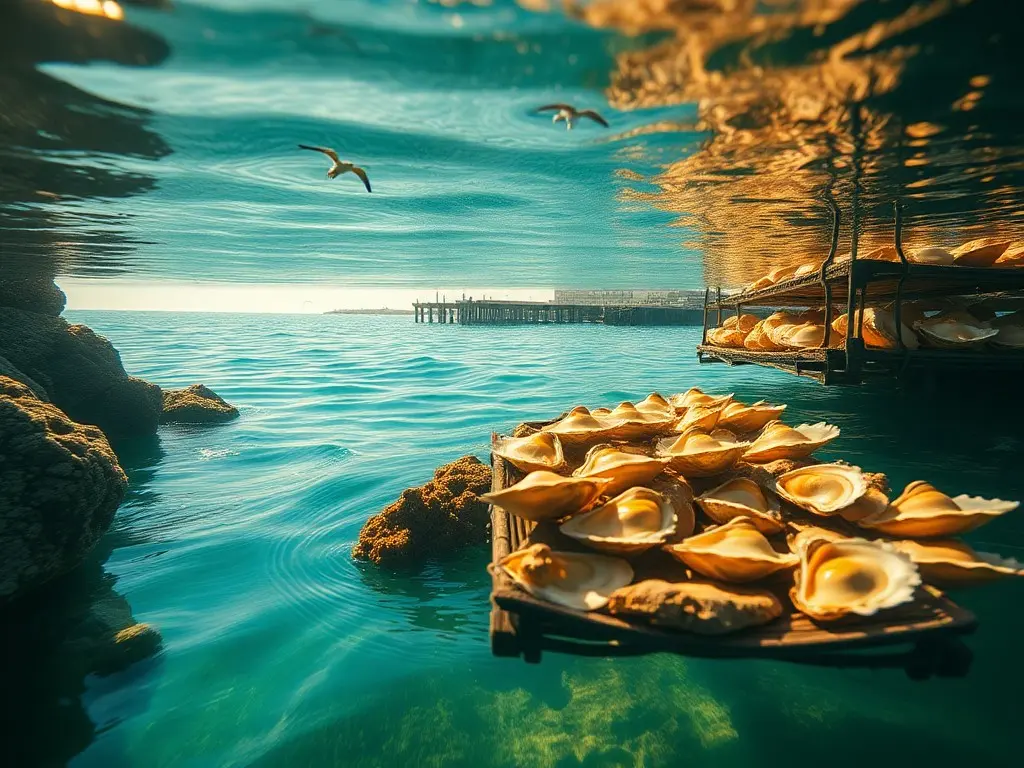
A genetic study reveals that farmed eastern oysters in New York’s Long Island Sound are breeding with wild populations, potentially aiding depleted reefs, while Hudson River oysters show no such mixing. Researchers warn this gene flow could have mixed evolutionary impacts, though it may still support restoration efforts.
A new population-genetics study published in *Molecular Ecology* found that farmed eastern oysters in New York’s Long Island Sound are interbreeding with wild oysters, offering a possible demographic boost to dwindling natural reefs. Lead author Matthew Hare noted that farms near wild populations can act as a ‘demographic supplement’ when spawning occurs, with nearly 84% of New York’s eastern oysters now coming from aquaculture in 2023. The research used genomic markers to compare oysters from the Hudson–Raritan Estuary, East River, and Long Island Sound, detecting low-level genetic mixing only in western and central Long Island Sound. The findings suggest historical recruitment from farm spawning events rather than a single recent spill, with larvae drifting up to three weeks in plankton before settling. Oysters play a critical role as ecosystem engineers, filtering water and creating habitat, but New York Harbor’s reefs have declined from an estimated 220,000 acres before industrial-era overharvest. Conservation groups have been restoring habitat through shell returns and hatchery-reared spat, though regulators restrict aquaculture in the Hudson and East Rivers due to public health concerns. While gene flow from farms could introduce beneficial traits like disease resistance, it may also alter wild oyster fitness over time. The study’s authors emphasize this is not a guaranteed restoration solution but could influence policymakers’ views on aquaculture’s role in conservation. The findings align with broader research on oyster domestication, which highlights both ecological benefits and potential risks of genetic mixing. NOAA Fisheries previously documented the potential for farmed larvae to seed nearby wild reefs, though the long-term effects remain uncertain.
This content was automatically generated and/or translated by AI. It may contain inaccuracies. Please refer to the original sources for verification.