Lord Howe Island got rid of its rats and mice – now cockroaches and bugs are bouncing back
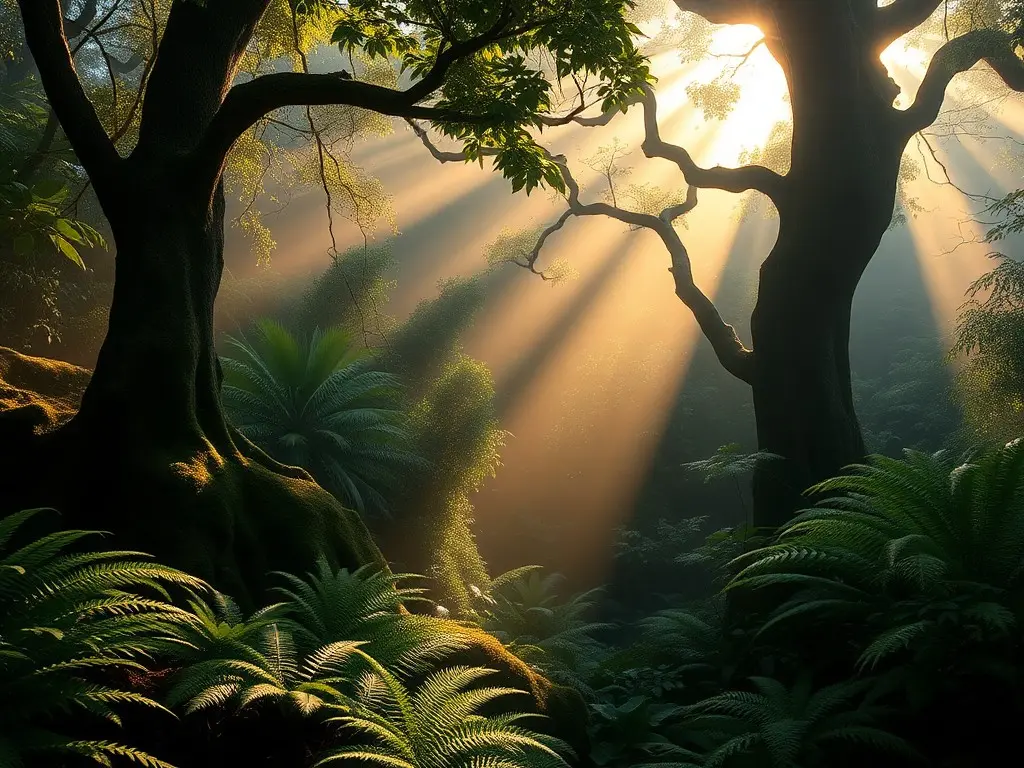
A 2019 eradication program successfully removed 300,000 invasive rats and mice from Lord Howe Island, leading to a 60% increase in native invertebrates like beetles and cockroaches, according to a study in *Biological Invasions*. Researchers say the ecosystem is beginning to recover after decades of rodent predation reshaped its ecological balance.
Lord Howe Island, a 15 sq km World Heritage-listed volcanic remnant 600 km off Australia’s east coast, has seen a dramatic rebound in its native invertebrate population after a 2019 campaign eradicated 300,000 invasive rats and mice. A study published in *Biological Invasions* found a 60% increase in invertebrates—including stag beetles, weevils, and bush cockroaches—since the removal of rodents, which had previously driven five bird species, two plants, and at least 13 invertebrate species to extinction. The rodents arrived in the mid-19th century, with rats escaping a grounded supply ship in 1918. They decimated native flora and fauna, consuming anything larger than 1 cm indiscriminately. Before eradication, scientists documented baseline invertebrate populations, allowing precise measurement of the recovery. Researchers from the University of Sydney and the NSW government collected over 24,000 specimens using traps and ‘cockroach hotels’—cardboard layers mimicking bark—to assess the rebound. Maxim Adams, a University of Sydney researcher, described the island’s ecosystem as ‘ancient’ and ‘otherworldly,’ noting its unique mix of tropical and temperate influences. Lord Howe hosts over 1,600 invertebrate species, half of which exist nowhere else. With no native mammals, the food web relied on birds and reptiles to control insect populations, which have now flourished without rodent predation. Nathan Lo, a molecular ecologist, emphasized that rodents had reshaped ecological relationships across the island, not just targeting iconic species. The study suggests this is just the beginning of the ecosystem’s recovery, with long-term benefits expected for birds, geckos, skinks, and plant health. Ian Hutton, a local naturalist, observed a resurgence in ground-nesting woodhens and a regrowing forest understorey, as seeds previously eaten by rodents now germinate freely. Adams cautioned that full ecological recovery may take decades, but early signs are promising. The island’s unique stag beetles, once rare, are now visible in tree tops, a testament to the success of the eradication effort. The study highlights how removing invasive species can rapidly restore native biodiversity, offering lessons for conservation worldwide.
This content was automatically generated and/or translated by AI. It may contain inaccuracies. Please refer to the original sources for verification.