Lower Merion is considering screen time limits in schools as parents demand to opt out of technology use
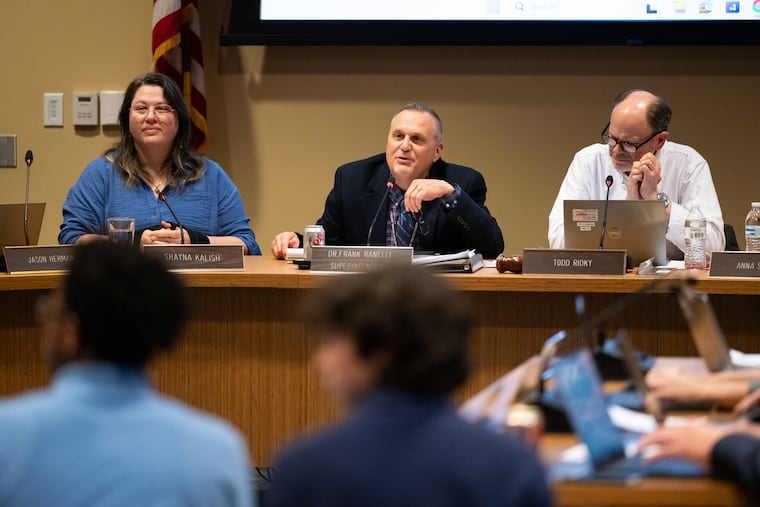
The Lower Merion School District in Pennsylvania is advancing a new technology policy that may impose screen time limits in classrooms, despite parental demands to opt children out of school-issued devices. Parents argue excessive screen use harms learning and development, citing misuse cases like streaming Netflix and concerns over mental health impacts, while officials insist on balancing technology use with educational needs.
The Lower Merion School District in Pennsylvania moved forward with a revised technology policy during a packed school board meeting, proposing potential screen time limits for students despite strong opposition from parents. Parents, including Adam Washington and Deena Pack, have accused the district of overusing technology, with Washington describing his 15-year-old son’s struggles with addiction to school-issued laptops and Pack noting her daughter with ADHD tuning out classes to watch movies on her device. Officials, however, reiterated that parents cannot opt out of technology use, though Superintendent Frank Ranelli acknowledged discussions about setting specific screen time boundaries. The district has faced criticism for requiring students to use computers for math and reading apps, with parents like Sam Handlin questioning the educational justification. Asima Ahmed, whose 3-year-old daughter attends the district, expressed concerns about early exposure to tablets, calling the practice 'dystopian.' Parents also highlighted misuse cases, such as students accessing streaming services like Netflix and HBO during class, prompting the district to block more websites following a March community meeting. Officials confirmed they are reconsidering issuing one-to-one devices to elementary students, though no final decision has been made. The policy shift comes amid broader debates in education, including Los Angeles’ recent screen time limits and Utah’s ban on screens for grades K-3. Superintendent Ranelli emphasized the need for collaboration with teachers to determine comfortable technology use levels, framing the policy as a first step in balancing digital tools with student well-being. Parents argue the district’s current approach impedes learning and family relationships, with Washington comparing screen time to 'giving him a little bit of a drug.' Despite these concerns, officials maintain that technology remains essential for modern education, though they are open to refining usage guidelines. The district’s response to parental feedback remains under review, with no immediate changes to device distribution or classroom policies announced.
This content was automatically generated and/or translated by AI. It may contain inaccuracies. Please refer to the original sources for verification.