Lyft driver uses AI-altered photos to falsely accuse Florida dad’s daughters of car damage — how his teens spotted the scam
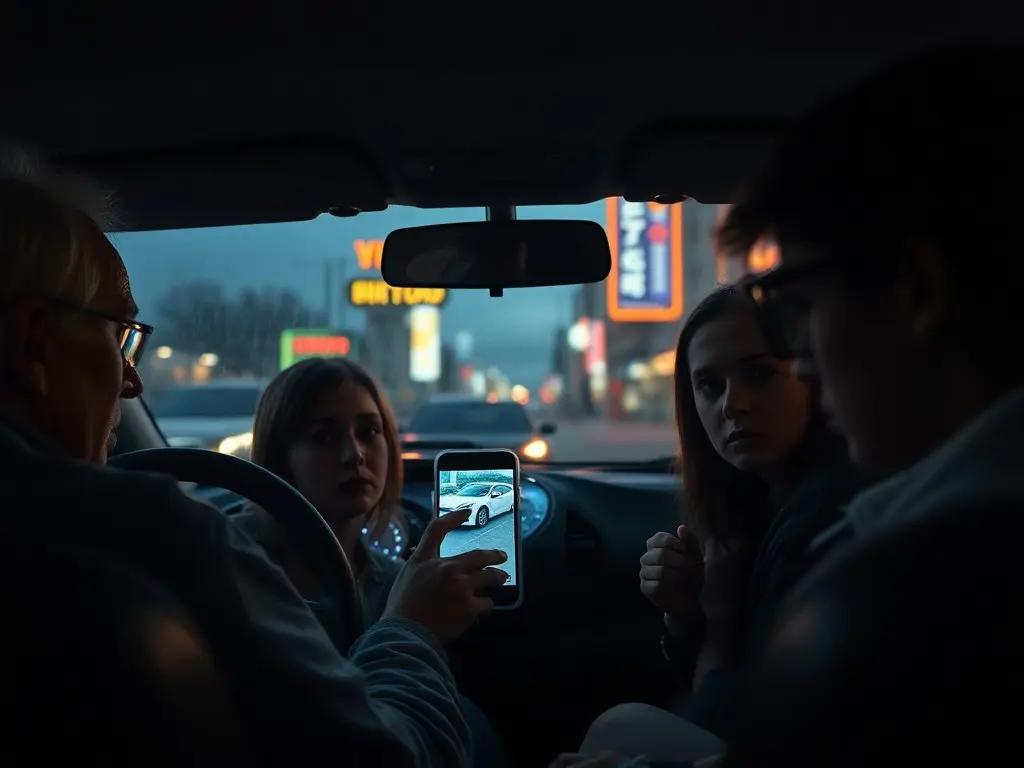
A Lyft driver in Florida used AI-generated photos to falsely accuse a Boca Raton father’s daughters of causing $75 in vehicle damage, but the teens identified the scam by spotting the Google Gemini watermark. Lyft reimbursed the family, removed the driver, and warned that AI image fraud is growing across dispute platforms like rideshare, rentals, and insurance claims.
A Boca Raton father, Bert Gor, discovered his daughters and their friend were victims of AI fraud after a Lyft driver falsely claimed they damaged the back seat with food and drinks. Gor received a Chase fraud alert for a $75 Lyft charge, but his daughters denied causing any damage and noticed the AI-generated photo included a visible Google Gemini logo, exposing the scam. Lyft confirmed the incident and issued a statement saying they reviewed the rider’s concerns, reimbursed the family, and permanently banned the driver. The company emphasized that damage disputes are taken seriously and evaluated based on available evidence. This case highlights the increasing sophistication of AI tools, which can now create convincing fake images using free smartphone apps. Experts warn that AI-generated images are becoming more prevalent in consumer disputes, particularly on platforms relying on user-submitted photos. Evan Nierman, CEO of Red Banyan, noted that rideshare companies, rental services, and insurance firms are vulnerable to this trend, as fraudsters exploit outdated assumptions that photos alone are proof. The tools to fabricate images are widely accessible, making detection difficult without scrutiny. The Boca Raton incident serves as a cautionary example of how AI fraud can manipulate dispute resolutions. Consumers and companies must remain vigilant, as these scams are likely to escalate. Lyft’s response underscores the need for platforms to adapt to new forms of digital deception, ensuring fair and transparent dispute processes.
This content was automatically generated and/or translated by AI. It may contain inaccuracies. Please refer to the original sources for verification.