Maine public universities on verge of closing $1.39M deal for first systemwide AI tool
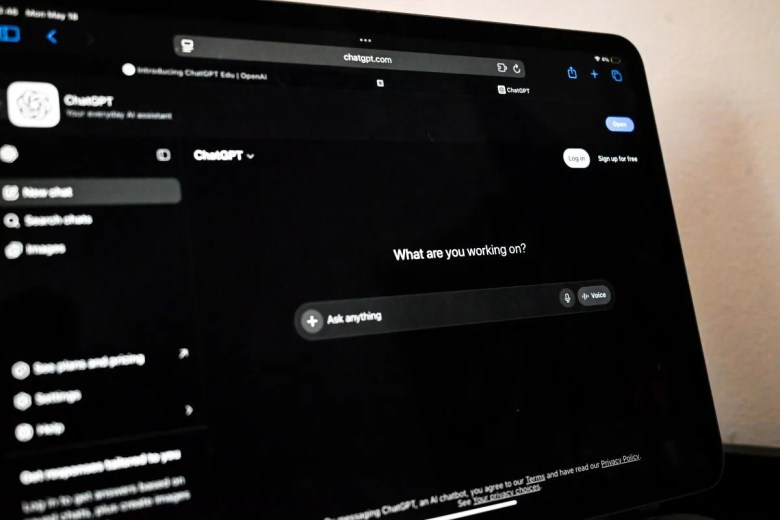
Maine’s public university system is set to finalize a $1.39 million two-year contract with OpenAI’s ChatGPT Edu platform, pending a five-day appeals period, to provide AI tools to 25,200 students and 5,600 employees starting July 1. The system aims to offer secure, data-protected AI access while preparing students for workplace AI usage, addressing prior fragmented adoption across departments.
Maine’s public university system announced plans to award its first systemwide AI contract to ChatGPT Edu, an OpenAI platform tailored for higher education, following a competitive bidding process. The two-year agreement, valued at approximately $1.39 million, will serve an estimated 25,200 students and 5,600 employees, with implementation expected to begin in July. The contract was submitted by vendor Carasoft and remains subject to a five-day appeals period, during which other bidders—including Google’s Gemini—can clarify their proposals but cannot submit new offers. OpenAI’s bid was around $600,000 lower than competing proposals, according to Ryan Low, the system’s vice chancellor for finance and strategic AI integration. The decision reflects growing AI usage in academia, with nearly 60% of U.S. college students using AI tools weekly and 1 in 5 using them daily, per a 2026 Lumina Foundation and Gallup study. The ChatGPT Edu platform will allow users to analyze data, summarize documents, and create custom AI tools while offering enhanced security and privacy controls. Unlike free AI versions, the platform ensures prompts entered by users will not be used to train OpenAI’s models, addressing concerns about data privacy and unauthorized sharing of course materials. The system’s move follows a 2024 working group report exploring AI integration across campuses. Departments had previously adopted AI tools individually, often limited by budget constraints. Systemwide adoption aims to standardize access, ensuring even smaller departments can benefit from AI resources. The contract will be funded by investment income, with no additional fees for students, and will launch on July 1 through individual system accounts. Low emphasized the tool’s optional nature, stating it aims to provide a ‘safe space’ for AI exploration rather than mandate its use. The system’s goal is to equip students with AI proficiency for future workplaces while mitigating risks associated with free, less secure alternatives. The adoption aligns with broader trends in AI integration across education sectors, balancing innovation with responsible implementation.
This content was automatically generated and/or translated by AI. It may contain inaccuracies. Please refer to the original sources for verification.