Maine will hold its first-ever citizens’ assembly on education next month. What is it?
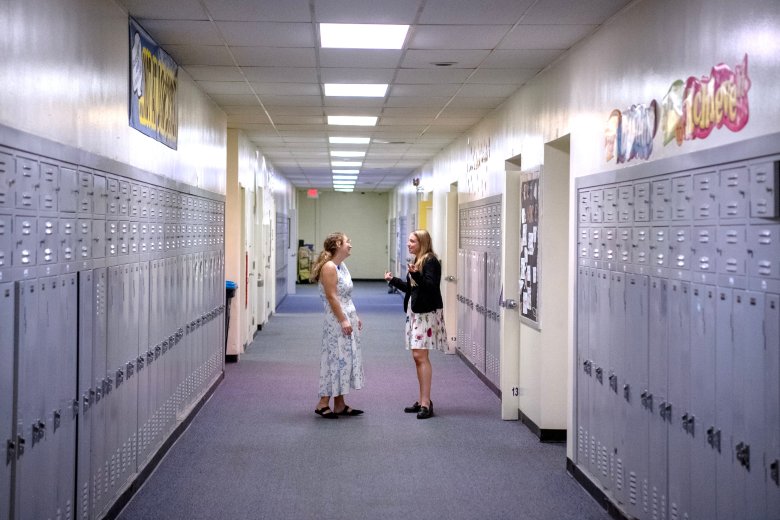
Maine will host its first citizens’ assembly on education next month, with 64 volunteers from all counties convening in Bangor to debate priorities for K-12 education as part of the Education Maine 2050 initiative. The assembly aims to address challenges like low fourth-grade test scores, outdated school funding, and rising special education costs by gathering input from teachers, students, parents, and community members to guide future policy decisions.
Maine will hold its first-ever citizens’ assembly on education in June, bringing together 64 volunteers from every county to discuss the future of K-12 education. The event, organized under the Education Maine 2050 initiative led by researcher Jennifer Chace, follows years of declining student performance, including Maine’s fourth-grade math and reading scores ranking among the lowest in the country on federal tests in 2024. Despite recent legislative progress on school funding reform, education leaders say more work is needed to address gaps in infrastructure, such as school construction delays and soaring special education costs, which place Maine second nationally in per-student spending. The assembly is designed to create a shared vision for education by engaging everyday citizens in structured deliberation, rather than relying on public testimony alone. Delegates, selected through an algorithm to reflect Maine’s racial, political, and educational diversity, will include four representatives from each of the state’s 16 counties across different age groups. Chace, an assistant director at the University of Southern Maine’s education policy research groups, conceived the idea after noticing Maine lacked a long-term strategy for K-12 education. The process draws inspiration from European models and aligns with similar efforts, such as Connecticut’s ongoing citizens’ assembly on property taxes. Participants will undergo a learning phase to understand key issues before deliberating on priorities for Maine’s education system. The goal is to provide lawmakers with citizen-driven recommendations to break through institutional inertia and align policy with public will. Chace emphasized the assembly’s role in fostering collaboration between citizens and state leaders, stating that it aims to ‘set the course’ for future action. The initiative builds on earlier work with the nonprofit Educate Maine and marks a first for Maine in using this democratic tool to address complex policy challenges. The assembly’s timing coincides with broader education struggles, including outdated funding formulas and inadequate school facilities. While the state recently updated its school funding model after two decades, leaders highlight ongoing needs, such as addressing Maine’s high special education costs and ensuring equitable access to resources. The 64 delegates, chosen from over 300 volunteers aged 16 and older, will represent a cross-section of Maine’s population, ensuring diverse perspectives shape the discussions. Organizers hope the assembly will bridge gaps between public opinion and policy decisions, offering a roadmap for sustainable improvements in education.
This content was automatically generated and/or translated by AI. It may contain inaccuracies. Please refer to the original sources for verification.