Major Property Tax Relief Likely in Pakistan Budget 2026-27
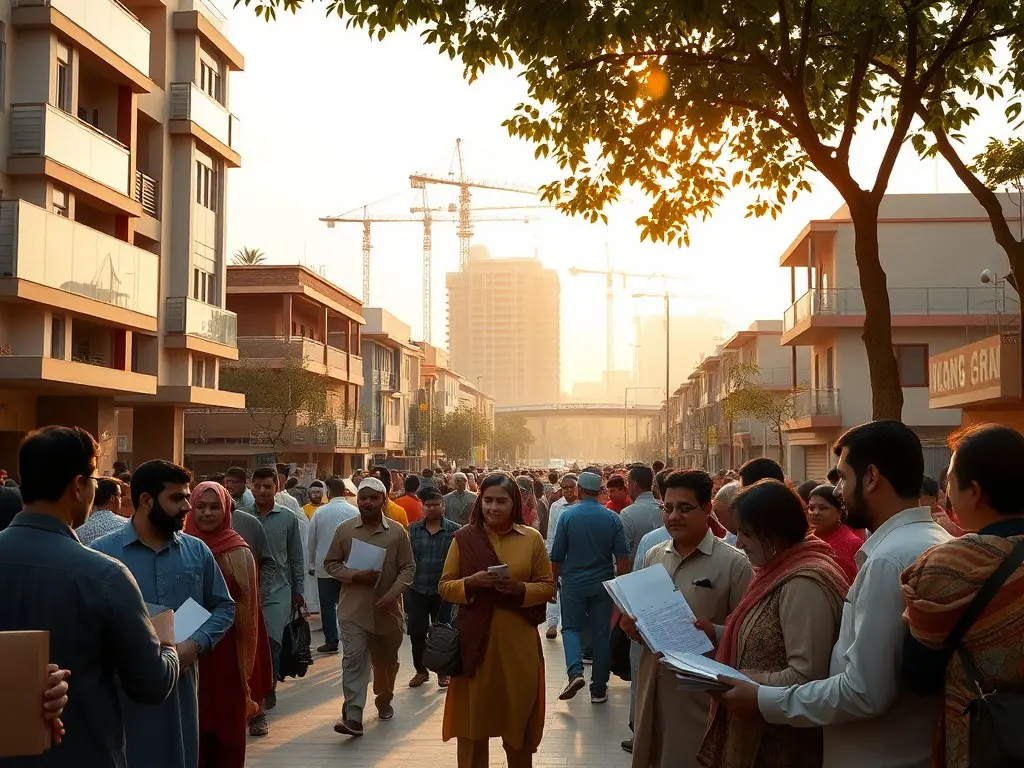
Pakistan’s federal government is proposing major tax cuts on property transactions in Budget 2026-27, reducing withholding taxes for filers from 1.5% to 0.25% on purchases and from 4.5% to 1.5% on sales to boost market activity. The relief aims to revive the real estate sector, though non-filers will face higher taxes of around 10.5% on transactions, and final approval is pending.
Pakistan’s federal government is set to introduce significant tax relief for the real estate sector in the upcoming Budget 2026-27, targeting a revival of property market activity and broader economic growth. Official sources confirm proposals to slash withholding taxes under Sections 236C and 236K of the Income Tax Ordinance, cutting the rate on property purchases for tax filers from 1.5% to 0.25% and on sales from 4.5% to 1.5%. The measures are part of a strategy to stimulate investment in construction, cement, steel, and housing development, which are key employment and economic drivers. Authorities have briefed the International Monetary Fund on the proposed reductions as part of ongoing fiscal reform discussions. Lower transaction costs are expected to attract more buyers, increase liquidity, and expand the documented tax base, potentially offsetting revenue losses from reduced rates. However, the relief will apply only to tax filers, leaving non-filers subject to a higher tax burden of around 10.5% on property transactions. The government argues that incentivizing compliant taxpayers will unlock stalled investments and formalize economic activity in the sector. Officials emphasize that the proposed cuts are designed to address stagnation in the real estate market, which supports multiple industries. The final approval of these measures is pending as part of the federal budget for FY2026-27, with the government weighing fiscal implications and revenue targets.
This content was automatically generated and/or translated by AI. It may contain inaccuracies. Please refer to the original sources for verification.