Major Retailers Now Using License Plate Readers In Parking Lots: What To Know
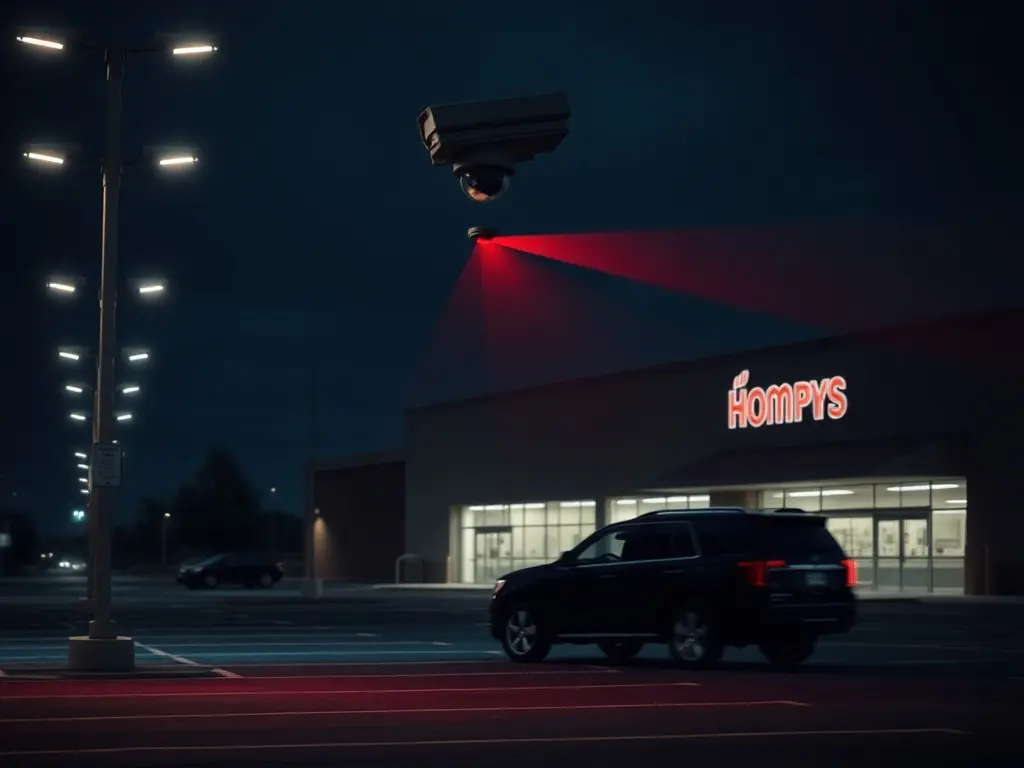
Major retailers including Home Depot, Lowe's, Walmart, Target, and Costco are deploying automated license plate readers (ALPRs) in parking lots for security, raising privacy concerns about data retention and access. Reports indicate some retailers share ALPR data with local law enforcement, with retention periods varying from 30 to 180 days depending on the company.
Major retailers across the U.S. are installing automated license plate readers (ALPRs) in parking lots, a move that has sparked privacy debates. Home Depot, Lowe’s, Walmart, Target, and Costco have adopted the technology, using cameras and software to capture license plate numbers as vehicles enter or exit parking areas. Retailers justify the use of ALPRs as a security measure to deter theft and enhance public safety, though critics argue shoppers may not be fully aware of how their data is collected, stored, or shared. Home Depot confirmed the use of ALPRs in its parking lots, stating the systems are limited to authorized personnel within security, asset protection, IT, and legal departments. The company claims it does not sell or share ALPR data externally except for legal compliance, law enforcement cooperation, or property protection. However, reports from *The Dayton Daily News* reveal that some Home Depot and Lowe’s locations in Ohio provide access to local police agencies through Flock, a shared ALPR network. Home Depot explicitly denies granting federal law enforcement access to its license plate readers. Retention policies for ALPR data vary significantly among retailers. Walmart retains the information for 60 days unless legally required to hold it longer, while Target keeps data for 30 days. Lowe’s stores hold onto the records for up to 90 days, and Costco extends its retention period to approximately 180 days. Privacy advocates argue these practices lack transparency and could enable broader surveillance beyond store premises. The technology’s expansion follows reports of ALPR cameras spotted at Home Depot and Lowe’s locations in Connecticut, raising concerns about unchecked data access. While retailers emphasize security as the primary purpose, critics warn that the lack of standardized regulations could lead to misuse or unintended exposure of personal information. The debate highlights tensions between commercial security needs and individual privacy rights in an increasingly surveilled retail environment.
This content was automatically generated and/or translated by AI. It may contain inaccuracies. Please refer to the original sources for verification.