Manitoba plans to ban AI chatbots for those under 16. This school uses them as an educational tool
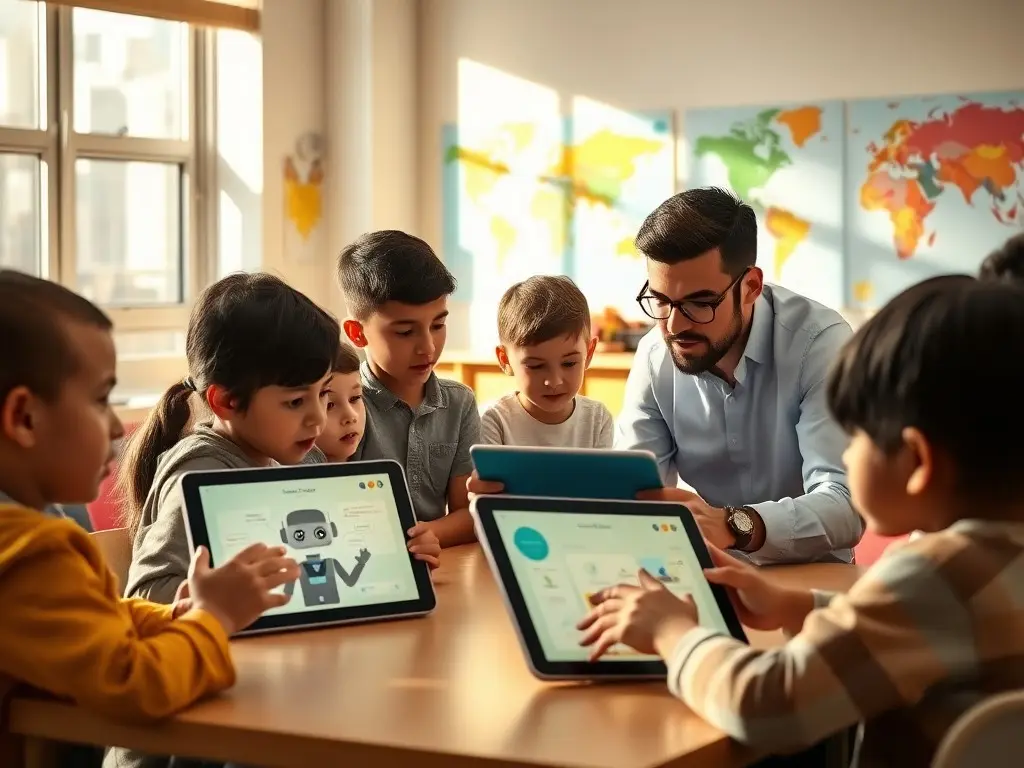
Manitoba’s government is considering a ban on AI chatbots for users under 16, while General Wolfe School in Winnipeg uses them as an educational tool to support students, particularly immigrant families. Educators emphasize responsible use and human-led guidance, warning against treating AI as a relational tool while acknowledging its potential to bridge learning gaps.
Manitoba’s provincial government is proposing a ban on AI chatbots for individuals under 16, raising concerns and debates about technology use among young people. The policy shift comes as schools like General Wolfe in Winnipeg are already integrating AI tools into classrooms, particularly to assist students with homework and language learning. At General Wolfe, educators like Grade 7 STEM teacher Donovan Ponce teach students to use chatbots responsibly, such as generating project ideas or simplifying text. Ponce highlights the tool’s role in supporting immigrant families who may lack educational resources, noting that students recognize AI’s limitations while leveraging it for academic growth. However, he stresses that AI should never replace human relationships or critical thinking. Students at the school express mixed views on the proposed ban. Grade 9 student Mary Wah argues that outright bans won’t prevent exposure to technology’s downsides, while classmate Shamira Salazar advocates for age-appropriate restrictions. Grade 8 student Denys Kotochihov, who moved from Ukraine, sees value in chatbots for language practice but warns about potential emotional detachment from real interactions. Principal Susan Darazsi acknowledges the mental health risks of excessive screen time but supports AI’s educational potential when used thoughtfully. The school’s approach focuses on teaching students to distinguish between AI tools and human connections, ensuring technology complements—not replaces—learning. The debate reflects broader tensions between regulatory caution and the practical benefits of AI in education, particularly for vulnerable student populations.
This content was automatically generated and/or translated by AI. It may contain inaccuracies. Please refer to the original sources for verification.