Marco Rubio questions Italy’s Iran stance after talks with Italy PM
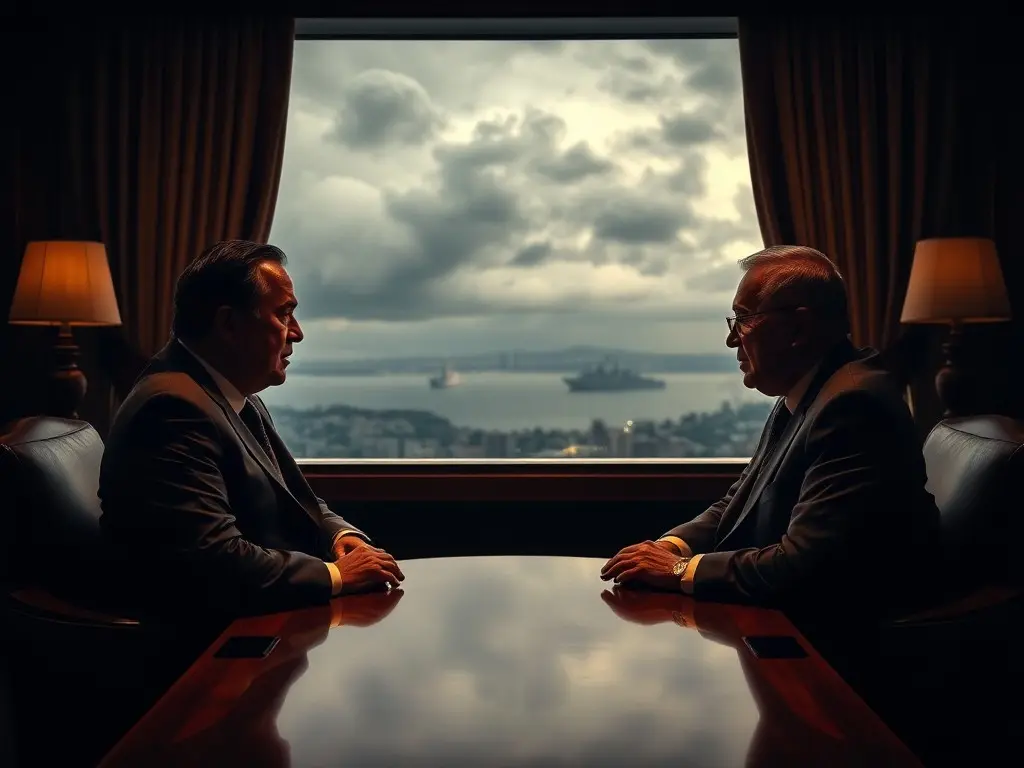
US Senator Marco Rubio questioned Italy’s approach to Iran and the Strait of Hormuz during discussions with Prime Minister Giorgia Meloni amid escalating Middle East tensions. The dialogue followed concerns over Italy’s perceived leniency toward Iran in the context of regional conflicts and security threats.
US Senator Marco Rubio raised concerns about Italy’s stance on Iran and the Strait of Hormuz after meeting with Prime Minister Giorgia Meloni. The discussions took place amid heightened tensions in the Middle East, where regional conflicts and security threats have intensified. Rubio expressed skepticism over Italy’s diplomatic approach toward Iran, particularly regarding its role in the Strait of Hormuz—a critical shipping lane. The senator’s remarks suggest a divergence in perspectives between Italy and the US on how to address Iran’s influence in the region. The talks occurred as Italy seeks to balance its foreign policy between maintaining diplomatic relations and addressing security concerns. Meloni’s government has faced scrutiny over its handling of Iran-related issues, particularly in light of broader geopolitical shifts in the Middle East. Rubio’s intervention underscores growing US concerns about Iran’s activities, including potential threats to maritime security. The Strait of Hormuz remains a flashpoint, with tensions rising due to Iran’s military posturing and regional conflicts involving proxies. The exchange highlights the complexity of European and US alliances in navigating Middle East diplomacy. Italy’s position, while pragmatic, has drawn criticism from hawkish US lawmakers who advocate for a firmer stance against Iran’s regional ambitions. The meeting between Rubio and Meloni signals ongoing efforts to align policies, though differences persist over how to manage Iran’s role in the Strait of Hormuz and broader Middle East stability.
This content was automatically generated and/or translated by AI. It may contain inaccuracies. Please refer to the original sources for verification.