Marine Corps Retires Harrier Jet After 55 Years of Landing Without a Runway
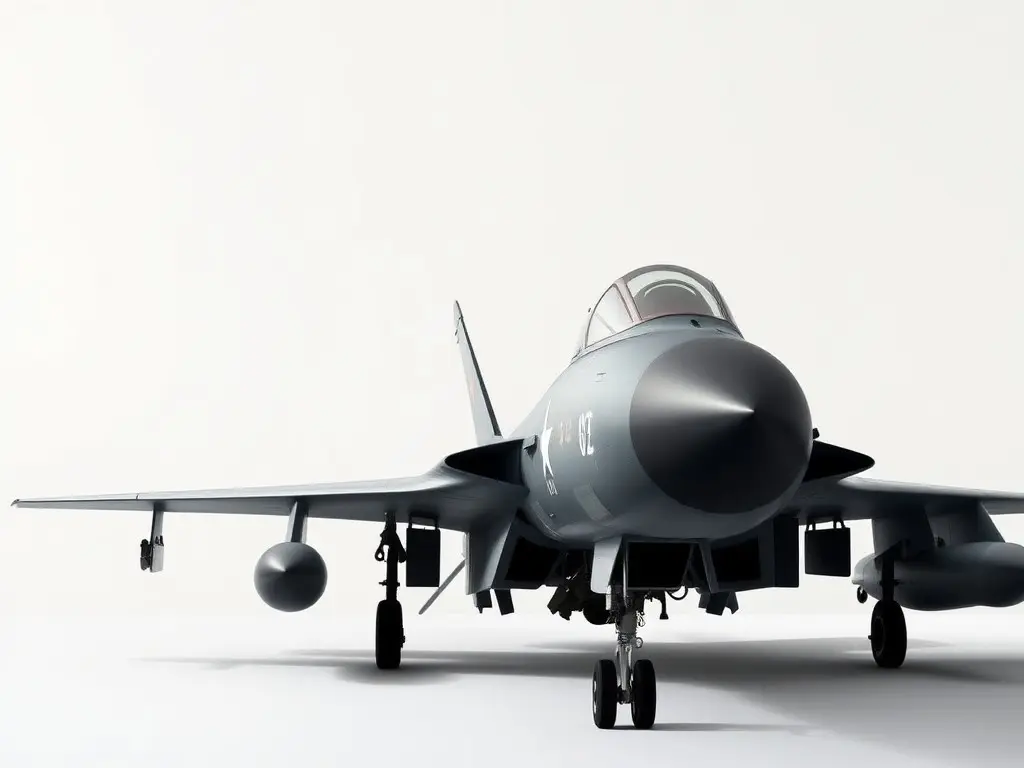
The U.S. Marine Corps officially retired the AV-8 Harrier jet after 55 years of service in a ceremony at Marine Corps Air Station Cherry Point, North Carolina, marking the end of its legacy as a Vertical/Short Take Off and Landing (V/STOL) aircraft. The Harrier, which cost around $50 million each when adjusted for inflation, has been replaced by the Lockheed Martin F-35B Lightning II, which retains the STOVL capability for amphibious operations.
The U.S. Marine Corps retired the AV-8 Harrier jet in a formal ceremony held at Marine Corps Air Station Cherry Point, North Carolina, concluding 55 years of service. The aircraft, renowned for its Vertical/Short Take Off and Landing (V/STOL) capability, was decommissioned after decades of combat operations, including roles in Operation Iraqi Freedom. Lt. Col. John B. Cumbie, commanding officer of Marine Attack Squadron 223, highlighted its combat legacy and the contributions of Marines and sailors who operated the jet. The Harrier’s development began in the 1960s with the AV-8A model, later upgraded to the AV-8B by McDonnell Douglas in 1985. Its unique design allowed it to operate from amphibious assault ships and locations without runways, providing tactical flexibility in combat zones. The jet’s single turbofan engine, which could vector thrust through four nozzles, enabled close proximity to ground operations, a feature critical for Marine Corps missions. Originally costing around $23.6 million in the 1990s (equivalent to $50 million today), the Marine Corps once operated approximately 280 Harriers. The aircraft was equipped with six underwing mounts for bombs or rockets and a 25-millimeter cannon capable of firing 300 rounds, delivering substantial firepower. Retired Marine Corps pilot Lt. Col. Mike Rountree, who flew the Harrier for 22 years, described it as a pilot’s dream aircraft, instrumental in achieving Marine Corps objectives during conflicts. The Harrier’s retirement follows the Marine Corps’ transition to the Lockheed Martin F-35B Lightning II, its designated successor. The F-35B, priced at $110 million per unit, maintains the STOVL capability, ensuring the Corps retains its amphibious operational edge. The shift reflects broader military modernization efforts, as the Harrier’s legacy technology is phased out in favor of advanced systems.
This content was automatically generated and/or translated by AI. It may contain inaccuracies. Please refer to the original sources for verification.