Mathematicians raise concerns over growing use of AI in research, back new declaration
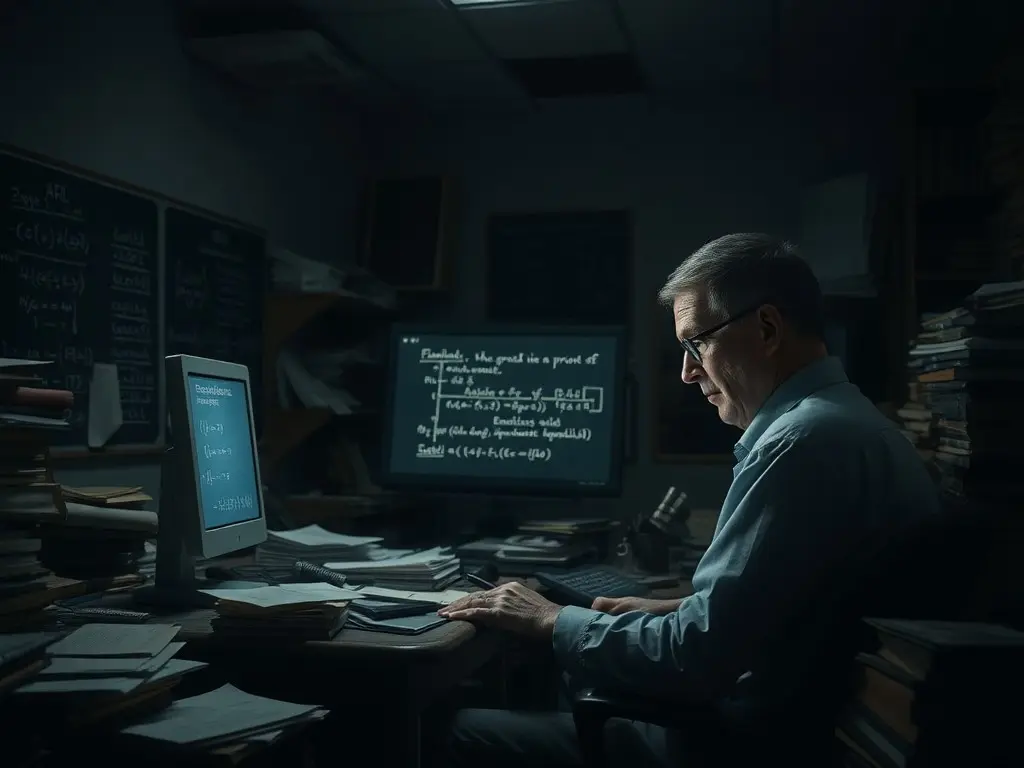
Hundreds of mathematicians have endorsed the Leiden Declaration, warning that AI-generated mathematical proofs may contain hidden errors and calling for caution in accepting AI-driven breakthroughs without rigorous human verification. The declaration follows claims by OpenAI and Google DeepMind that their AI systems solved decades-old math problems, raising concerns about transparency, peer review, and proper credit for human researchers.
Hundreds of mathematicians have backed the Leiden Declaration, a new statement urging caution over AI-generated mathematical discoveries. The declaration, drafted by a working group at Leiden University in the Netherlands and supported by the International Mathematical Union, warns that AI systems can produce convincing but flawed proofs, risking errors that could undermine future research. The concerns stem from recent claims by AI firms like OpenAI and Google DeepMind, which announced their systems had solved long-standing mathematical problems. Critics argue that AI-generated results often lack transparency and proper peer review, making it difficult to verify their accuracy. Leslie Ann Goldberg, head of computer science at the University of Oxford and a signatory, noted that automated techniques may produce unreliable arguments indistinguishable from correct proofs. The declaration also highlights issues of transparency, as breakthroughs are frequently announced through corporate press releases before full technical details are shared. Mathematicians emphasize that rigorous peer review and independent verification remain essential to maintaining trust in mathematical research. Kevin Buzzard, a mathematician at Imperial College London, described the declaration as a necessary response to AI’s growing influence in the field. Additionally, signatories expressed concern over AI tools failing to properly credit human researchers whose work was used for training. The declaration calls on governments, researchers, and academic institutions to approach AI-generated mathematical breakthroughs with skepticism and ensure human oversight remains central to the validation process.
This content was automatically generated and/or translated by AI. It may contain inaccuracies. Please refer to the original sources for verification.