Meat processing robots have a people problem, this program is adressing it
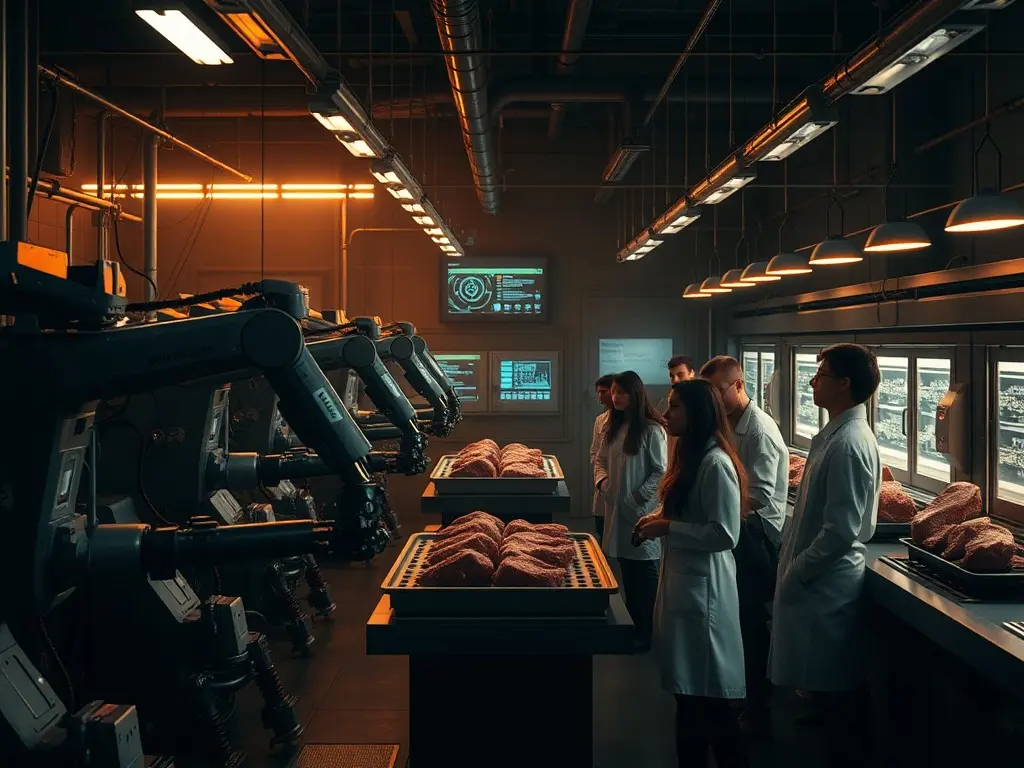
Australia’s red meat processing sector faces a skills shortage as it adopts robotics, prompting the Australian Meat Processor Corporation to launch a STEM-focused program for high school students. The initiative aims to attract future technicians by exposing students to industry challenges and opportunities, including the need for AI-driven solutions to handle variability in beef processing.
Australia’s red meat processing industry is investing heavily in robotics and AI, but operators struggle with a looming skills shortage for servicing and maintaining the advanced machinery. The Australian Meat Processor Corporation has launched Meat Tech Futures, a program targeting secondary school students interested in STEM to address this gap. Participants visit processing plants, attend expert-led classes, and pitch ideas in a 'shark tank'-style competition, with Dr Fraser Gordon leading the initiative. Gordon, a robotic tool designer with a decade of experience, highlights the industry’s challenge: while automation promises efficiency gains, companies lack personnel to install, fix, or troubleshoot machines during critical shifts. He notes that downtime in processing plants leads to cascading operational issues, emphasizing the urgent need for skilled technicians. The program targets STEM students who might otherwise pursue aerospace, automotive, or other engineering fields, often leaving regional communities where meat processors operate. Dr Border explains that many rural students with STEM skills relocate to metropolitan areas for university, making it difficult to retain talent locally. The initiative aims to engage students before they commit to degrees, showcasing the meat industry’s problem-solving opportunities. AI is seen as the next frontier for meat processing automation, particularly for beef, where variability in cuts complicates standardized robotic solutions. Unlike pork or chicken processing, beef’s diversity requires AI to adapt trimming and cutting paths dynamically. Gordon stresses that current automation works best for uniform products, and AI could bridge the gap by enabling robots to adjust to irregular shapes and sizes in real time. Meat Tech Futures also seeks to shift perceptions of the industry, portraying it as innovative and essential to Australia’s economy. By exposing students to hands-on experiences and industry challenges, the program aims to cultivate a pipeline of skilled workers who can support the sector’s technological advancements.
This content was automatically generated and/or translated by AI. It may contain inaccuracies. Please refer to the original sources for verification.