Melia hotel group expects strong sales in Spain as Iran war redirects tourism
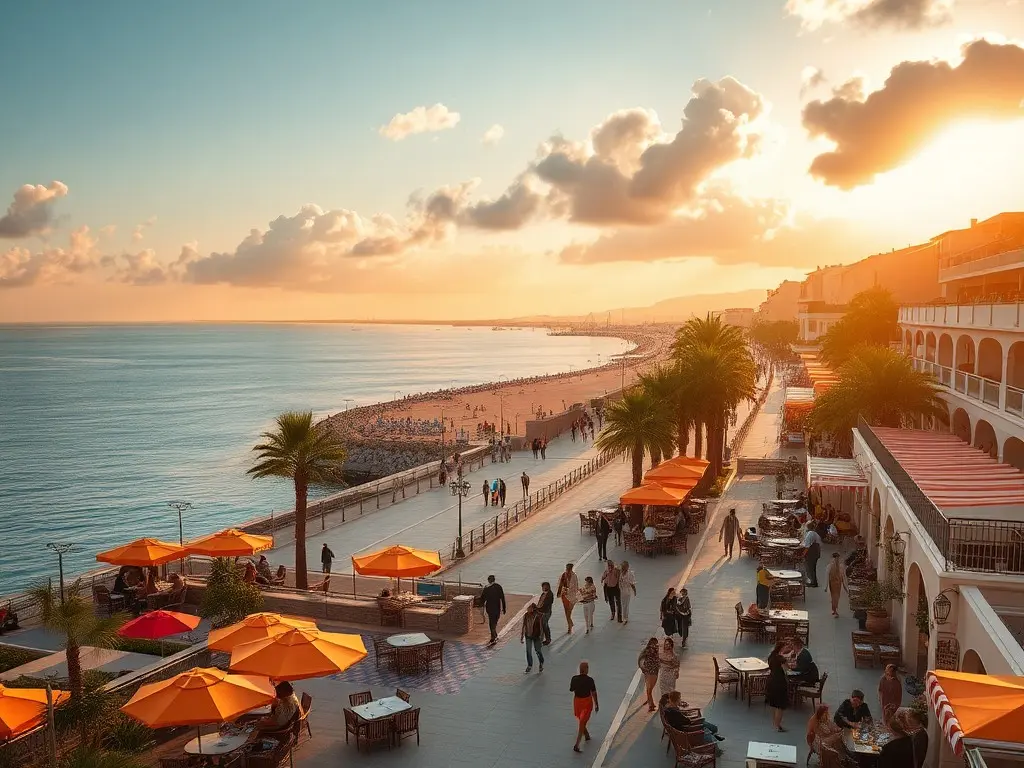
Melia Hotel Group, Spain’s largest hotel chain, expects double-digit booking growth in its Spanish resorts and urban hotels this summer as travelers divert from Middle Eastern conflict zones. CEO Gabriel Escarrer noted stable demand in Spain, Latin America, and Europe but warned of long-term uncertainty due to geopolitical tensions and potential airline price hikes.
Spain’s Melia Hotel Group reported strong summer bookings for its luxury resorts and urban hotels, driven by travelers shifting away from Middle Eastern conflict zones. CEO Gabriel Escarrer said bookings are growing in double digits, with revenue per room expected to rise in high single digits during the second quarter, marking the start of peak summer season. The company attributed the surge to Spain’s position as a safe-haven destination, being far from conflict zones while remaining accessible to key markets. Escarrer acknowledged short-term optimism but cautioned that uncertainty surrounding international trade remains higher than previously experienced, particularly due to the war triggered by U.S.-Israeli airstrikes on Iran in late February. Melia expects earnings before interest, tax, depreciation, and amortization (EBITDA) of at least 565 million euros ($665 million) in 2024, up from 545 million euros in 2023. Demand in Spain, Latin America, and Europe has remained stable despite risks like rising airline ticket prices, according to industry reports. Travel data shows increased bookings to Mediterranean destinations outside the conflict zone, with travelers adjusting plans rather than canceling trips. Escarrer highlighted Spain and the Caribbean as preferred alternatives for cautious travelers seeking stability. The company’s financial outlook reflects cautious optimism, balancing short-term gains from redirected tourism with long-term concerns over geopolitical instability and economic uncertainty.
This content was automatically generated and/or translated by AI. It may contain inaccuracies. Please refer to the original sources for verification.