Mercedes-Benz plays both sides of the EV transition. It just may work
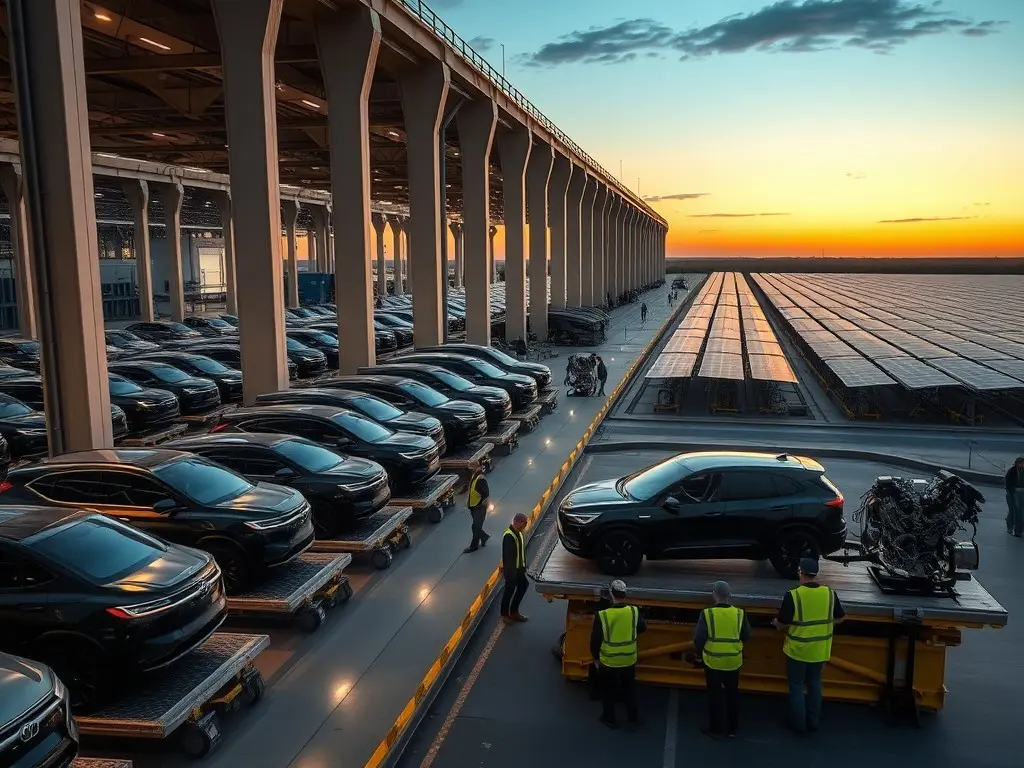
Mercedes-Benz is adopting a flexible strategy for its 2027 GLE and GLS SUVs, offering both combustion and hybrid powertrains to navigate market uncertainty while avoiding costly full redesigns. The company is also investing $4 billion in Alabama to locally produce its GLC SUV by 2029, reducing reliance on imports amid volatile global conditions and shifting consumer preferences.
Mercedes-Benz is extending the lifecycle of its GLE and GLS SUVs through a 2027 refresh rather than launching all-new models, a move driven by high development costs and uncertainty in the electric vehicle (EV) transition. The GLE lineup will range from the entry-level GLE 350 with a 2.0-liter turbocharged engine to the AMG GLE 63 S+ mild hybrid V-8, while the GLS will offer the 375-horsepower inline-six and the 530-horsepower V-8. All models will retain standard all-wheel drive and undergo subtle design updates to maintain competitiveness without the expense of a full redesign. The strategy reflects Mercedes-Benz’s broader shift toward flexibility, as the company prepares to scale production of its compact GLC SUV at its Alabama plant by 2029—a $4 billion investment aimed at reducing import tariffs and localizing production. This move aligns with the automaker’s decision to abandon a one-size-fits-all global approach, instead tailoring offerings to regional demands amid geopolitical and economic volatility. Mathias Geisen, board member for sales and customer experience, highlighted the challenges of predicting market shifts, citing fluctuating oil prices, geopolitical disruptions, and changing consumer preferences. Mercedes-Benz is now balancing multiple powertrains—combustion, hybrid, and electric—within the same production lines to maintain agility, despite added complexity and costs. The company’s CLA sedan exemplifies this flexibility, featuring a platform capable of supporting either internal combustion or fully electric powertrains. Geisen emphasized that Mercedes-Benz must adapt quickly to customer demands, warning that failure to do so risks losing ground to competitors. The strategy prioritizes responsiveness over rigid long-term planning, ensuring the brand remains relevant in an unpredictable automotive landscape.
This content was automatically generated and/or translated by AI. It may contain inaccuracies. Please refer to the original sources for verification.