Microsoft introduced Project Solara: Operating system for wearable AI devices
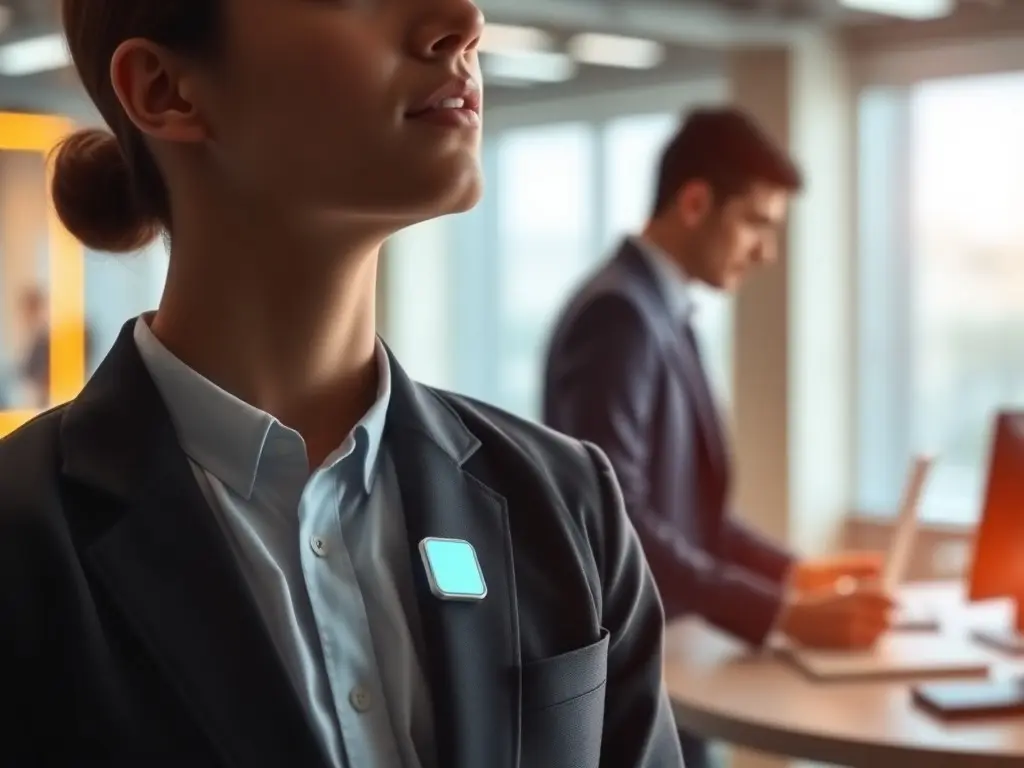
Microsoft unveiled Project Solara, a new Android-based operating system for AI-powered wearable devices, at its Build 2026 conference. The platform supports AI agents on low-power devices like smart employee badges, with prototypes demonstrated for real-time transcription, facial recognition, and cloud-based AI interactions, targeting enterprise use in industries such as healthcare and construction.
Microsoft introduced Project Solara at its Build 2026 conference, an operating system designed specifically for AI-driven wearable devices. Built on Android instead of Windows, the platform is optimized for low-power, small devices like smart badges, enabling AI agent interactions directly from the cloud. The company showcased two prototypes: a desktop tablet resembling an Amazon Echo Show with facial recognition and AI agent access, and a smart employee badge equipped with a camera, fingerprint scanner, microphone, and a single button to activate AI agents. Pressing the button records conversations with instant transcription, while the camera allows the agent to respond based on the user’s visual context. Microsoft will not manufacture the devices but will provide reference designs for hardware partners, with retailers like Target and Best Buy already expressing interest in the smart badge. The platform leverages a Qualcomm processor for efficiency and includes enterprise-focused security and management layers, targeting industries such as medicine and construction. While still in development, Project Solara positions Microsoft as a frontrunner in wearable AI, competing with Google and OpenAI’s Jony Ive-led initiative. The system aims to deliver seamless AI integration for professional use cases, distinguishing itself from Humane’s earlier failed wearable attempts.
This content was automatically generated and/or translated by AI. It may contain inaccuracies. Please refer to the original sources for verification.