Microsoft testing wearable AI gadget aimed at office workers
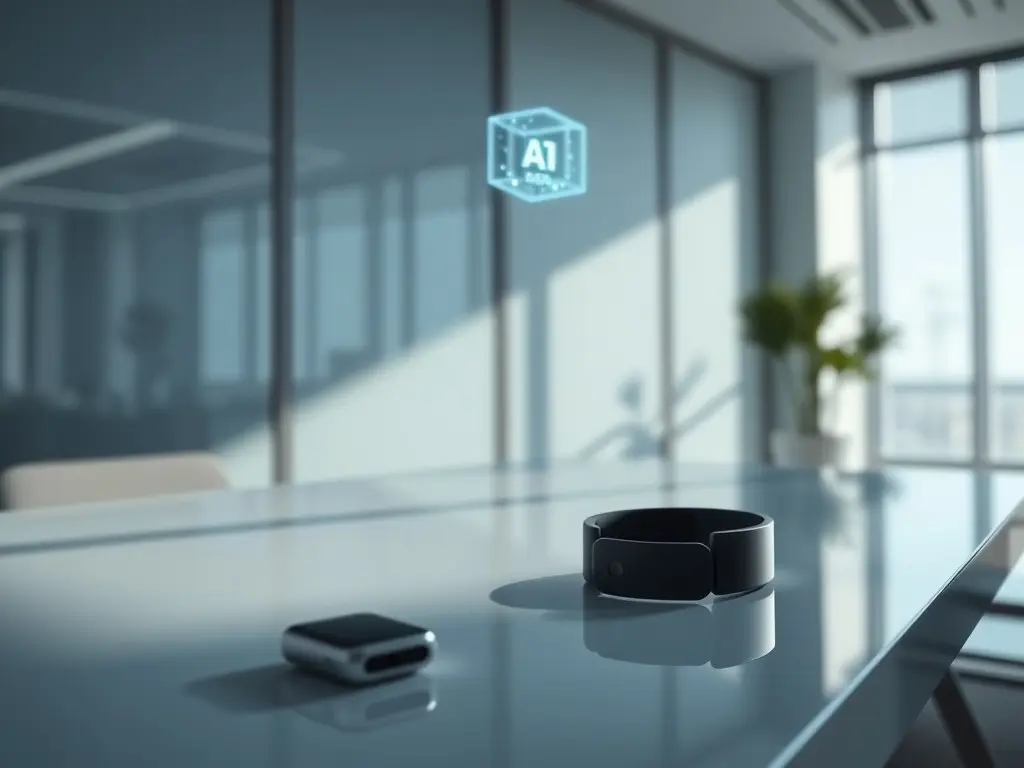
Microsoft unveiled two AI-powered wearable concepts—Project Solara’s desktop cube and a camera-equipped access badge—during its developer conference, testing them with select employees to refine future designs. The devices aim to streamline AI-agent interactions for office workers, though Microsoft has previously abandoned similar hardware like the Hololens due to challenges in development and adoption.
Microsoft demonstrated two experimental AI-driven wearable devices at its annual developer conference, targeting office workers who rely on AI tools. The first device is a small, touch-and-voice-activated cube designed for desks, while the second is a lightweight access badge—worn like an ID lanyard—that integrates a camera for environmental context. Both prototypes connect to Microsoft’s AI agents, allowing users to interact with tasks like coding or document review outside traditional computers. The devices, part of Project Solara, were showcased by Microsoft executive Steven Bathiche, who activated the badge via fingerprint to capture and send crowd photos. CEO Satya Nadella described them as a ‘new form factor’ for hardware, though Microsoft emphasized they remain in pilot testing with a few hundred employees. The company has faced past setbacks in wearables, notably discontinuing the Hololens after military testing revealed usability issues and nausea among users. The access badge’s camera raises privacy concerns, mirroring scrutiny over Meta’s AI glasses and Google’s failed Glass project. Microsoft stressed the badge’s lightweight design and agent-focused functionality, though it did not confirm plans for commercial release. The prototypes aim to inform future development, with Microsoft joining Google in reviving wearable tech after earlier failures. AI agents, which automate tasks like coding, have driven recent layoffs in tech, according to executives. Microsoft’s wearables could expand access to these tools beyond laptops, but their success hinges on overcoming past hardware challenges. The company’s cautious approach reflects its history of pivoting from ambitious but flawed tech ventures.
This content was automatically generated and/or translated by AI. It may contain inaccuracies. Please refer to the original sources for verification.