Microsoft Unveils Project Solara: AI Agents to Replace Platforms, OS via Chip-to-Cloud Tech
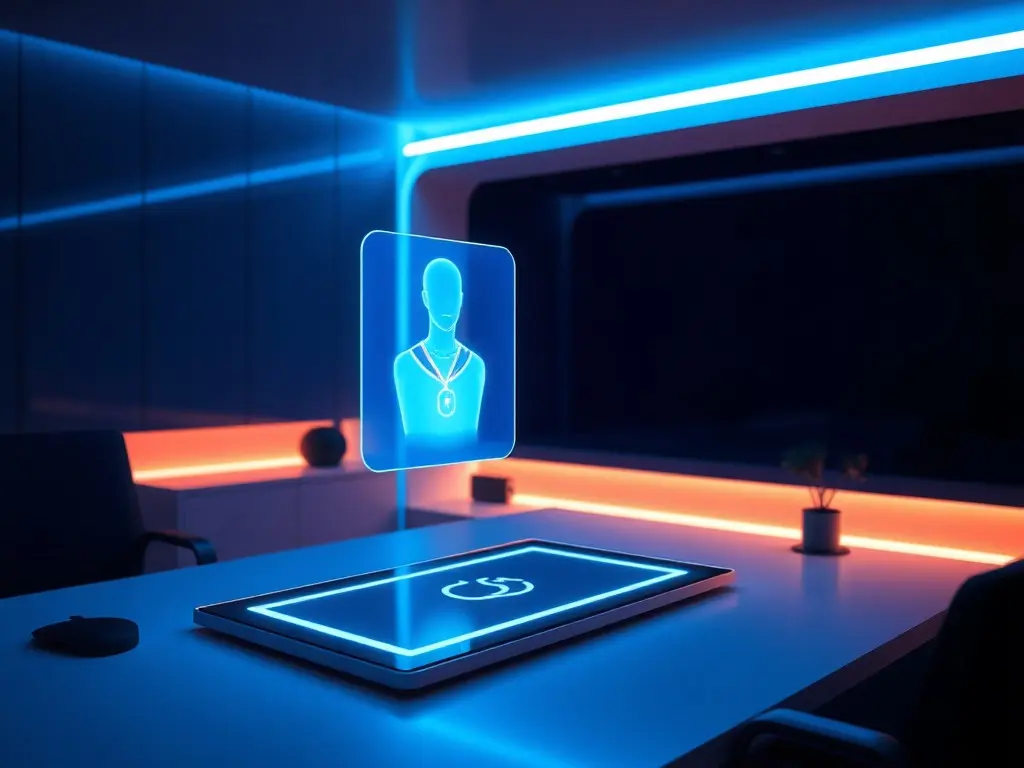
Microsoft unveiled Project Solara at Build 2026, an AI-driven platform aiming to replace apps and operating systems with chip-to-cloud AI agents, partnering with Qualcomm for hardware development. The technology focuses on personalized AI agents for everyday devices, shifting Microsoft’s strategy from OS and app-centric systems to agent-based computing, with examples including smart displays and key badges integrating Microsoft 365 data via voice commands.
Microsoft introduced Project Solara at its Build 2026 event, a platform designed to replace traditional operating systems and apps with AI agents operating through chip-to-cloud technology. The system aims to create personalized, task-specific AI agents tailored to users’ needs, environments, and control preferences. Steven Bathiche, leader of Microsoft’s Applied Sciences Group, highlighted that the technology could enable specialized computing without the full cost or trade-offs of current hardware solutions. Two conceptual designs for Project Solara are in development and will be shared soon. The company announced a partnership with Qualcomm to deliver the necessary silicon-based chip-to-cloud platform. Microsoft CEO Satya Nadella and Qualcomm CEO Cristiano Amon emphasized that Project Solara will extend beyond laptops and desktops, targeting frequently used devices like smart displays and wearables. While specifics on product applications remain undisclosed, the focus is on broad, everyday computing needs. Microsoft’s shift under Project Solara marks a departure from traditional OS and app development, instead prioritizing AI-driven agents capable of executing tasks autonomously. Demonstrations showed a smart display and a smart key badge retrieving Microsoft 365 data via voice commands, illustrating the system’s agentic capabilities. The technology is positioned to redefine user interaction with computing devices by embedding AI directly into hardware and cloud infrastructure. Project Solara’s architecture aims to streamline user workflows by integrating AI agents into devices, reducing reliance on separate software platforms. Bathiche noted that the system could accelerate the creation of customized computing solutions without compromising performance or scalability. The collaboration with Qualcomm underscores Microsoft’s commitment to bridging hardware and software innovation in AI-driven computing.
This content was automatically generated and/or translated by AI. It may contain inaccuracies. Please refer to the original sources for verification.