Microsoft's Newest Wearable Isn't A Smartwatch – It's An AI Badge For The Workplace
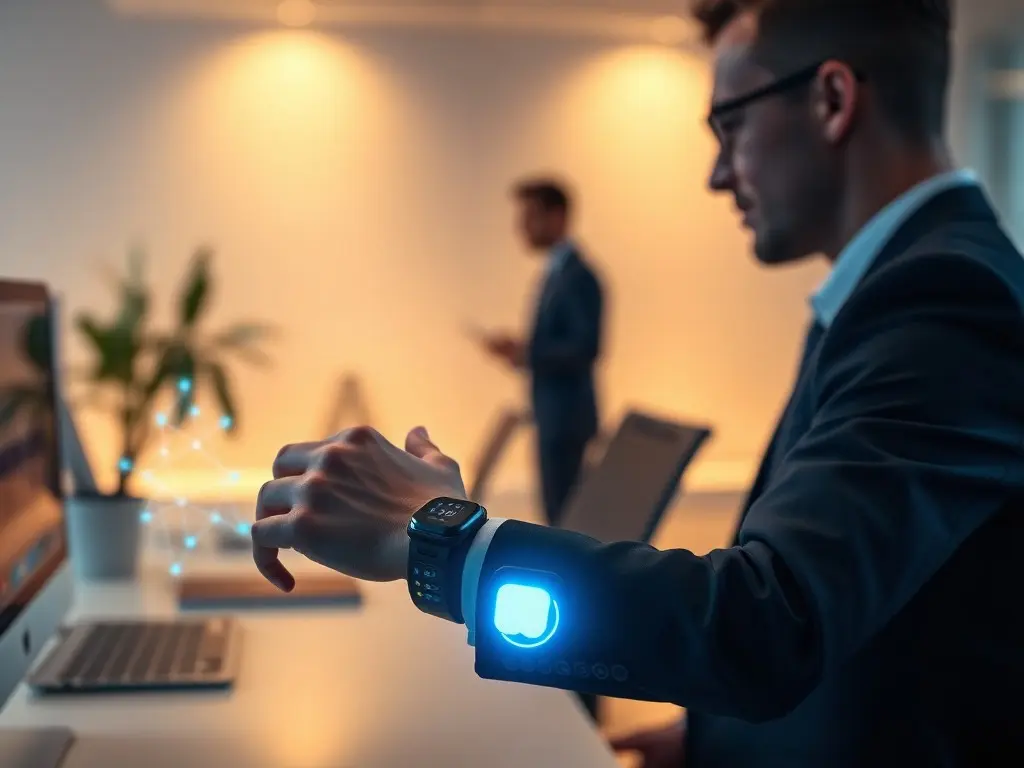
Microsoft unveiled Project Solara, an AI-powered wearable badge designed for workplace tasks, during its Build event. The device connects to cloud-based Copilot and uses a modified Android system, with features like a camera, microphone, and sensors, though no launch timeline has been confirmed.
Microsoft introduced Project Solara, an AI-driven wearable badge aimed at integrating into workplace workflows, at its annual Build event. Unlike traditional smartwatches, the badge resembles an office lanyard and functions as an AI agent, leveraging cloud-based Copilot for tasks like document scanning or problem-solving in healthcare or frontline roles. The device, called 'Badge Concept,' lacks onboard AI processing, relying instead on a 'chip-to-cloud' model for real-time assistance. It includes a camera, microphone, touchscreen, and internet access, running on a customized version of Android named 'Microsoft Device Ecosystem Platform.' This platform is tailored for the badge’s form factor rather than using Windows or Microsoft’s mobile systems. Microsoft envisions a 'just-in-time UI' for the badge, dynamically adjusting the interface based on the task—such as buttons for photo capture or document uploads. The broader Project Solara concept extends beyond the badge, aiming to redefine AI-driven computing across devices, including a 'Desk Concept' similar to Amazon’s Echo Show. The company has not disclosed a release date, raising concerns given its history of discontinuing experimental hardware like foldable devices and fitness bands. Past failures, such as Humane’s AI wearable acquisition by HP, highlight the challenges of AI wearables gaining traction in the market. While the badge’s functionality remains conceptual, Microsoft emphasizes its potential to streamline workplace tasks by embedding AI directly into daily operations. However, skepticism persists about whether such devices will overcome user trust issues and achieve widespread adoption.
This content was automatically generated and/or translated by AI. It may contain inaccuracies. Please refer to the original sources for verification.