Middle East Conflict Sends Fertiliser Prices Soaring, Deepening Malawi’s Cost of Living Crisis
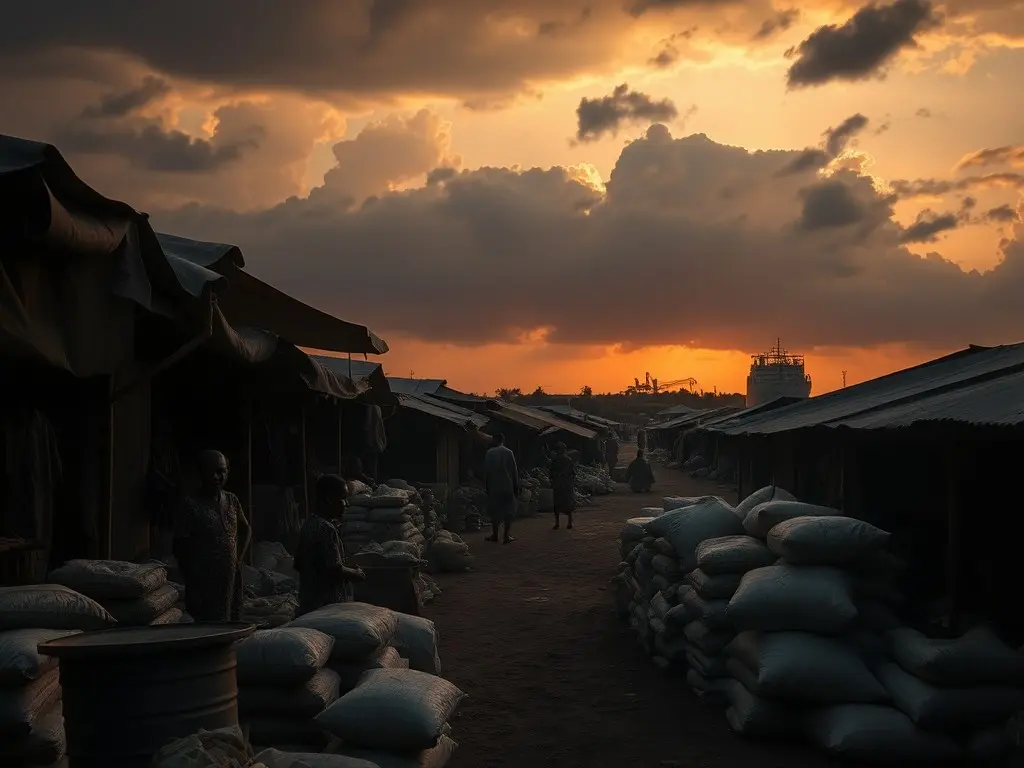
Malawi’s fertiliser prices surged 36-58% in one month due to Middle East conflict disruptions in the Strait of Hormuz, worsening inflation and food security. Economists warn rising fuel costs will strain Malawi’s fragile economy, deplete foreign exchange reserves, and push staple food prices further out of reach for citizens.
The escalating Middle East conflict is driving fertiliser prices in Malawi to record highs, deepening the country’s cost-of-living crisis. According to the April 2026 Africa Food Trade and Resilience Initiative report, fertiliser prices in Malawi and Mozambique have risen by 36-58% in a single month, with year-on-year increases nearing 90%. The surge follows disruptions in the Strait of Hormuz, a critical trade route carrying 20% of global oil, gas, and fertiliser shipments. Malawi’s economy, heavily reliant on imports, faces immediate strain from soaring fertiliser costs, which threaten food production and household budgets. Economists warn that fuel price hikes—Malawi imports all petroleum products—will further inflate transport, production, and household expenses, exacerbating inflation. Scotland-based economist Velli Nyirongo noted that fuel shocks ripple across sectors, destabilizing farming, manufacturing, and distribution. The crisis exposes Malawi’s vulnerability to global geopolitical shocks, particularly as a landlocked nation dependent on imports. Bertha Bangara-Chikadza, president of the Economics Association of Malawi, highlighted structural weaknesses, including poor fiscal discipline and climate-induced food shortages, as worsening factors. High fertiliser costs may force farmers to reduce usage or abandon crops, risking lower yields and further food price spikes. Government efforts to stabilize the kwacha and curb inflation face new challenges amid rising global tensions. Experts fear prolonged geopolitical instability could derail economic recovery, delay lower interest rates, and trigger another inflation wave. With transport and fuel costs climbing globally, Malawi risks deeper economic strain, leaving millions struggling to afford basic necessities.
This content was automatically generated and/or translated by AI. It may contain inaccuracies. Please refer to the original sources for verification.