Military’s selection of Buckley base as possible site for nuclear microreactor spurs questions in Aurora
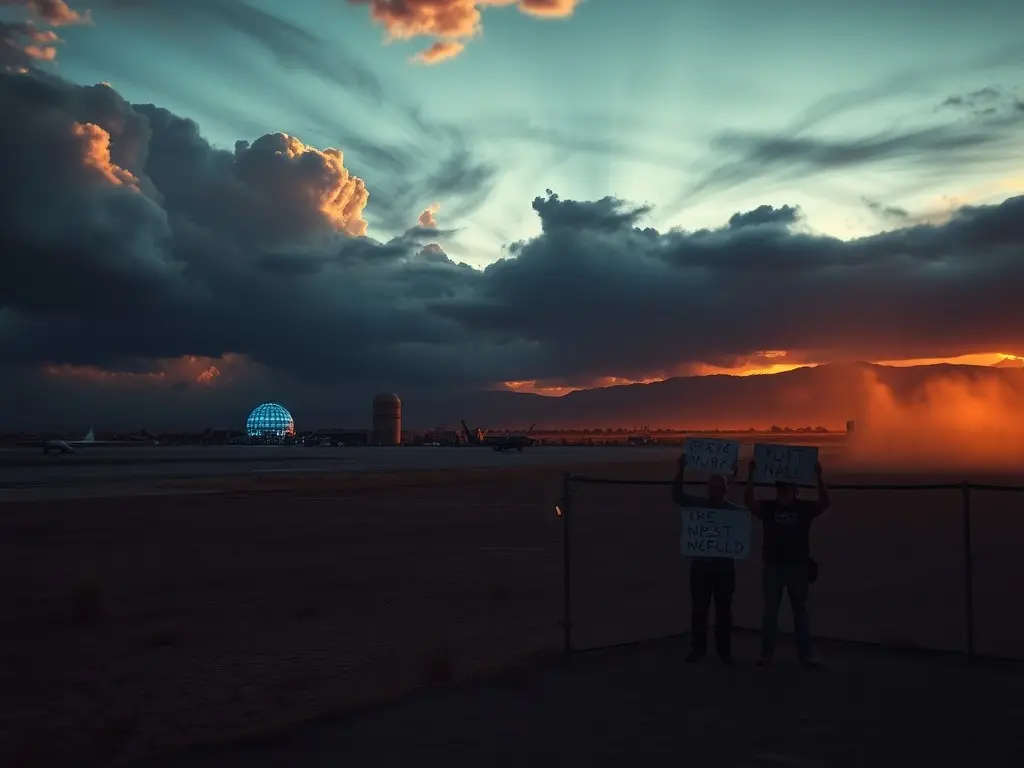
The U.S. Department of the Air Force selected Buckley Space Force Base in Aurora, Colorado, as a potential site for a nuclear microreactor to provide uninterruptible power for Space Base Delta 2 and the Mission Delta 4 missile-warning system, with operations potentially starting by 2030. Local officials and community members have raised concerns about safety, waste disposal, and the lack of prior consultation, while critics argue the project ties nuclear energy to militarism and ignores water scarcity issues in drought-stricken Colorado.
The U.S. Department of the Air Force has chosen Buckley Space Force Base in Aurora, Colorado, as one of three potential sites for a nuclear microreactor under its Advanced Nuclear Power for Installations program. The compact fission reactor, producing less than 10 megawatts of electricity without connecting to the grid, aims to provide reliable power for Space Base Delta 2 and the Mission Delta 4 missile-warning system, with deployment possible by 2030. The Air Force cited the need for energy independence and protection against grid failures or cyber-attacks as key reasons for the project. The other selected bases are Malmstrom Air Force Base in Montana and Joint Base San Antonio in Texas. This follows a recent proposal by Denver International Airport to explore a similar microreactor, which was later paused due to community concerns. Aurora city officials acknowledged the military’s plans but deferred questions to the Air Force, while Councilwoman Amy Wiles expressed concerns from residents about safety and potential nuclear waste hazards near residential areas. The Air Force has committed to public engagement, including town halls with experts from the Nuclear Regulatory Commission and Department of Energy, once plans are finalized. Critics like Chris Allred of the Rocky Mountain Peace and Justice Center argue the project exemplifies nuclear energy’s militaristic use and raises environmental issues, including water consumption in a drought-stricken state. Allred also highlighted the challenges of nuclear waste disposal, questioning its alignment with climate mitigation efforts. The selection of Buckley marks a step toward advancing nuclear microreactors in military applications, though local and environmental concerns remain unresolved. The Air Force’s engagement process will determine how these issues are addressed before any construction begins.
This content was automatically generated and/or translated by AI. It may contain inaccuracies. Please refer to the original sources for verification.