Modern Dishes Challenge Traditional Eid al-Adha Breakfasts in Saudi Arabia
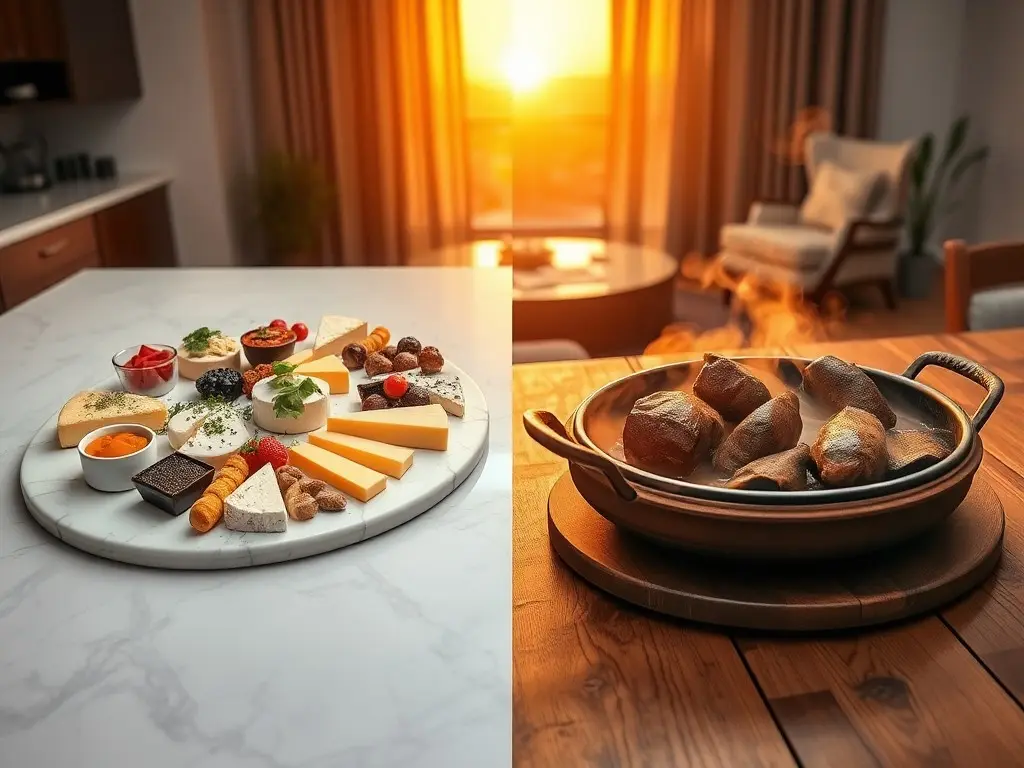
Saudi Arabia’s Eid al-Adha breakfasts are shifting from traditional dishes like liver and muqalqal to modern cheese platters and restaurant meals, driven by social media trends and changing lifestyles. While some embrace the new culinary styles for their visual appeal, others argue these changes risk diluting the holiday’s cultural and religious significance.
The morning after Eid al-Adha prayers in Saudi Arabia, families traditionally prepare liver and muqalqal—seasoned diced lamb with tomatoes—using meat from the holiday’s sacrificial feast. These dishes have long symbolized the start of celebrations, with many Saudis, like 25-year-old Nasser Al Ibrahim, insisting they remain essential to the holiday’s identity. However, modern alternatives are gaining popularity. This year, 27-year-old Abir Ahmed opted for a ready-made cheese platter instead, reflecting a broader trend toward contemporary breakfasts. These platters, often decorated with honey, nuts, and mortadella, now dominate Eid mornings, with prices ranging from 80 to 500 Saudi riyals ($21–$133) depending on presentation. The shift extends beyond food: while families once gathered at home, many now prefer restaurants or resorts for a more festive atmosphere. Social media has accelerated this change, with visually appealing breakfast displays becoming a status symbol. Critics argue these trends prioritize appearance over tradition, warning they may weaken the holiday’s cultural roots. Despite this, the ritual sacrifice remains central, with families performing it for charity and kinship, preserving Eid al-Adha’s core values amid evolving customs.
This content was automatically generated and/or translated by AI. It may contain inaccuracies. Please refer to the original sources for verification.