More than meets the grid
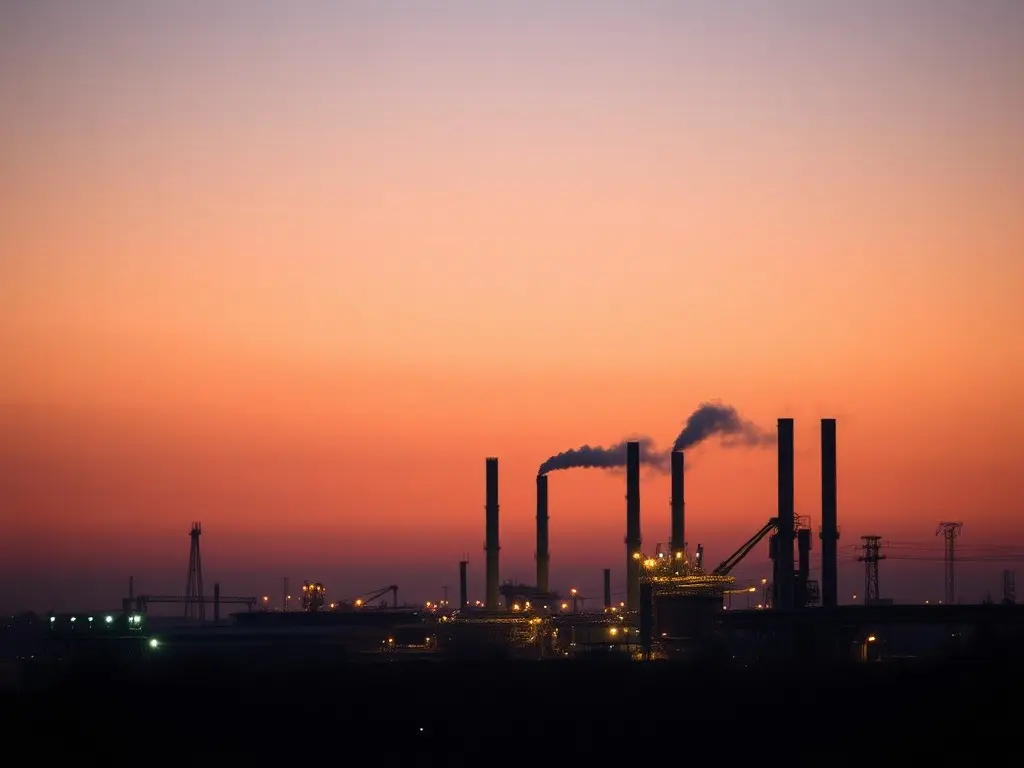
The AI boom relies on heavy electrical infrastructure like transformers, but global shortages—especially from China’s near-60% market dominance—threaten data center projects in the U.S. and U.K., where ageing grids and delayed equipment deliveries risk worsening outages amid rising digital demand. Diplomacy has overlooked this critical supply chain gap, leaving both nations vulnerable to infrastructure failures despite high-level trade talks focusing on semiconductors and rare earths.
The rapid growth of AI depends on electrical infrastructure that remains overlooked despite its critical role. Data centers require massive power supplies, including transformers, switchgear, and backup systems, but global shortages have stretched delivery times from eight months to four years. Many projects planned for 2026 now face delays or cancellation due to these bottlenecks, shifting focus from microchips to heavy electrical equipment. China dominates global transformer production with nearly 60% of the market, operating at unmatched scale and efficiency. Western competitors like Hitachi Energy, Siemens, and General Electric produce specialized units but cannot match China’s speed or cost. The U.S. imports roughly a third of its large transformers from China, while domestic factories meet only a fifth of national demand, leaving utilities exposed to supply chain risks. The recent Trump-Xi summit in Beijing addressed semiconductors, fentanyl, and tariffs but ignored transformer shortages—a critical oversight. Without diplomatic intervention, U.S. power networks face increasing strain, with major outages rising 29% between 2018 and 2024 and disruption times nearing nine hours. Ageing infrastructure and delayed equipment replacements worsen vulnerabilities, particularly as data centers demand millions of additional megawatts. The U.K. faces similar challenges, with transformer shortages now the primary obstacle to new grid connections. Many substations rely on equipment installed in the 1970s and 1980s, and replacement lead times exceed three years. Recent substation failures and unplanned outages have surged due to ageing insulation and extreme weather, while data center construction in London and the South East has overwhelmed local distribution networks. British grids are aging at a time when digital demand is skyrocketing, yet domestic manufacturing remains negligible, mirroring the U.S. reliance on imports. The situation highlights a broader infrastructure crisis: while AI and digital expansion accelerate, the unglamorous components keeping them running are failing. Without urgent action on transformer supply chains, both nations risk compounded outages and grid instability, undermining their ability to sustain technological growth.
This content was automatically generated and/or translated by AI. It may contain inaccuracies. Please refer to the original sources for verification.