Most dangerous World Cup ever? Climate change poses growing risks for players
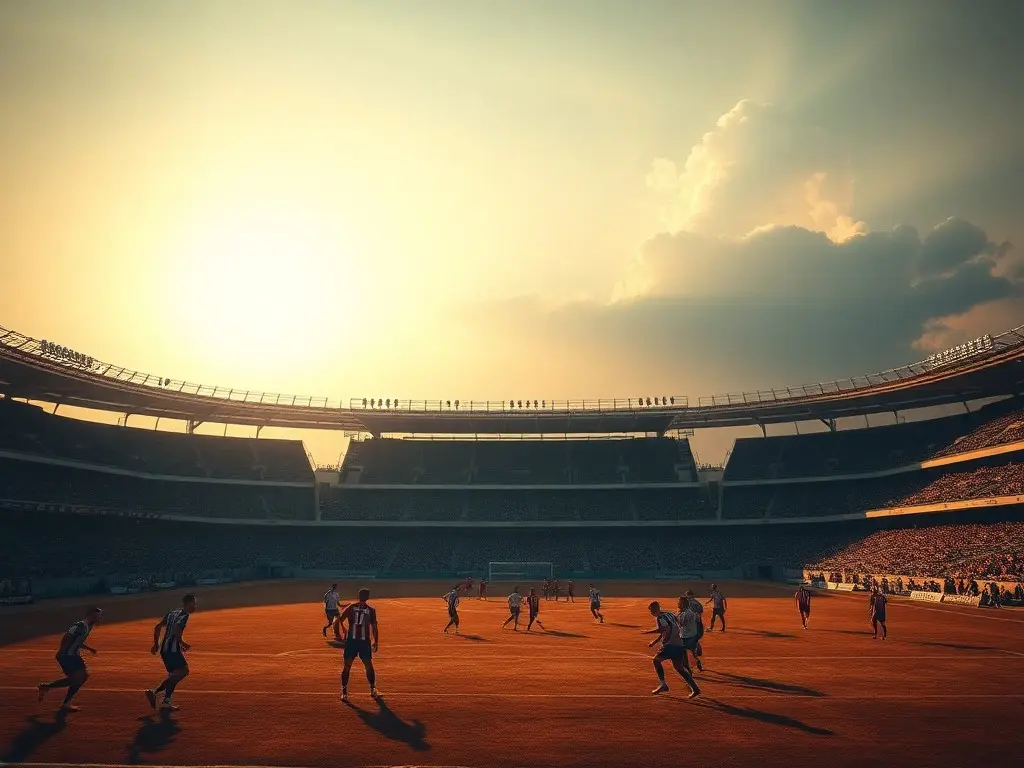
FIFA acknowledges climate change risks for the 2026 World Cup, with extreme heat, humidity, and unpredictable weather threatening players, fans, and officials during the 38-day tournament across Mexico, Canada, and the U.S. Experts warn this could be the last summer World Cup, with discussions underway to shift the event to March or October after 2030 due to rising global temperatures and extreme weather events.
FIFA has flagged the 2026 World Cup as the most climate-vulnerable in history, with extreme heat and humidity posing risks to players, fans, and officials during the tournament in Mexico, Canada, and the U.S. The 38-day event, starting next week, follows the 2025 Club World Cup, where extreme weather disrupted operations. Kaitlyn Trudeau, a senior research associate at Climate Central, warned that climate change will worsen heat and humidity, creating dangerous conditions. The expanded tournament format increases climate risks due to extensive air travel and prolonged exposure to extreme weather. Global temperatures in June have risen by 1.89 degrees Celsius since 1930, according to the U.S. National Oceanic and Atmospheric Administration, heightening concerns. FIFA President Gianni Infantino has already discussed moving the tournament to March or October after 2030 to avoid summer heat. Short-term measures like early kickoffs, cooling breaks, and air-conditioned stadiums will likely become standard. A report by Football For Future, titled *Pitches in Peril*, highlights the growing unpredictability of extreme weather, with experts fearing a major tragedy could occur during summer events like the World Cup or Olympics. Elliot Arthur-Worsop, founding director of Football For Future, stated that this World Cup may be the last playable in North America due to climate projections making future tournaments unviable. Climatologists warn that rising temperatures and extreme weather events could force a permanent shift in scheduling. The report suggests adaptation strategies, including altered kickoff times, increased drink breaks, and stricter heat safety protocols. With global temperatures continuing to rise, the feasibility of hosting summer tournaments in traditional June-July timeframes is increasingly in doubt.
This content was automatically generated and/or translated by AI. It may contain inaccuracies. Please refer to the original sources for verification.