Most K-12 teachers say AI's impact on education will eclipse the internet or computers
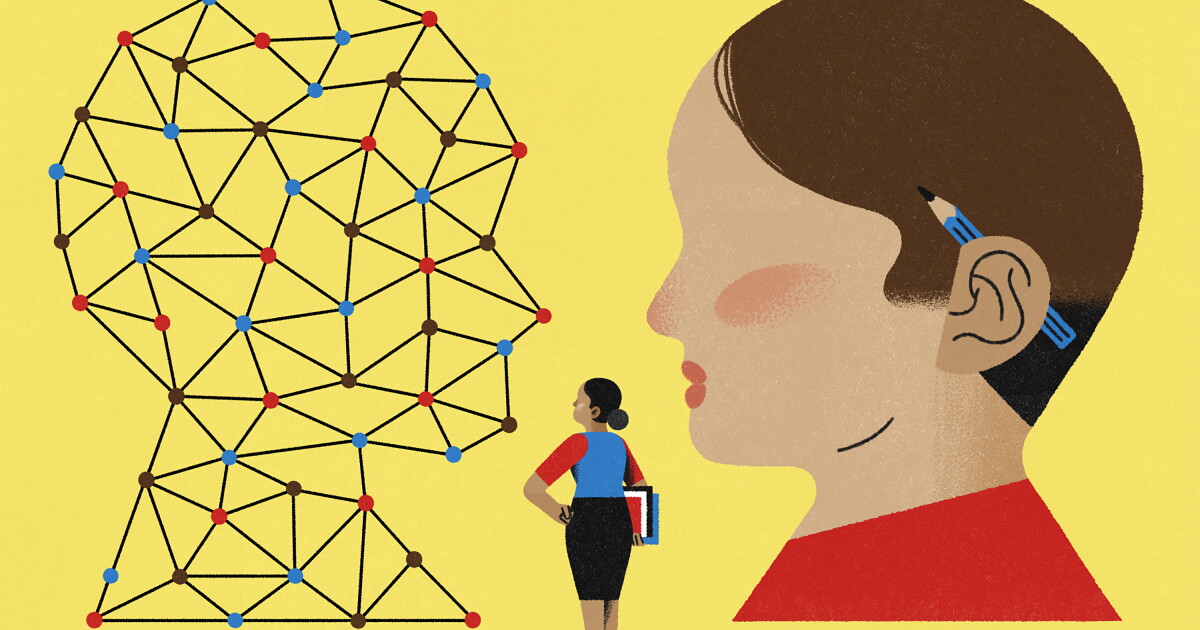
A new NPR/Ipsos poll of 545 K-12 teachers found nearly 75% believe AI has greater implications for education than the internet or computers, while 80% say schools must teach responsible AI use. Over half of teachers report AI hinders students' critical thinking, though many use it to streamline lesson prep and assessments, with mixed reliability in classroom applications.
A nationally representative poll of 545 K-12 teachers by NPR and Ipsos reveals AI is reshaping education at a pace teachers compare to the internet or computers. Nearly three-quarters of respondents believe AI’s impact will surpass past technological innovations, with 80% advocating for schools to integrate lessons on responsible AI use. Mallory Newall, Ipsos senior vice president, emphasized the urgency, stating teachers recognize AI as a transformative force that demands immediate action. Current classroom adoption remains limited: over half of teachers report students aren’t using AI at all, while 40% say it appears weekly. However, 60% of teachers personally use AI for tasks like generating multiple-choice questions or professional development materials. Michele Naber, a biology teacher at El Toro High School in Orange County, California, uses AI to teach students how to evaluate chatbot responses by cross-referencing outputs with reliable sources. She noted AI’s time-saving benefits—such as reducing question creation from an hour to five minutes—though accuracy remains a concern. Teachers express conflicting views on AI’s role in fostering critical thinking. Over half (54%) believe AI undermines this skill, particularly for students who lack intrinsic motivation. Christa Corricelli, a special education teacher near Boston, warned that unchecked AI use could erode critical thinking in less self-driven students. Meanwhile, Joann Purcell, a math teacher in Chicago’s suburbs, avoids AI for student tasks due to reliability issues, preferring to manually create questions to avoid errors. The poll highlights AI’s dual nature as both a tool and a disruption. While 63% of teachers using AI report saving two hours or less weekly, concerns persist about its long-term effects on student autonomy and academic integrity. The findings underscore a need for balanced integration, with teachers calling for structured guidance to harness AI’s potential without sacrificing foundational learning skills.
This content was automatically generated and/or translated by AI. It may contain inaccuracies. Please refer to the original sources for verification.