Mumbai housing market clocks strongest May in 14 years; stamp duty crosses Rs 1,000 cr
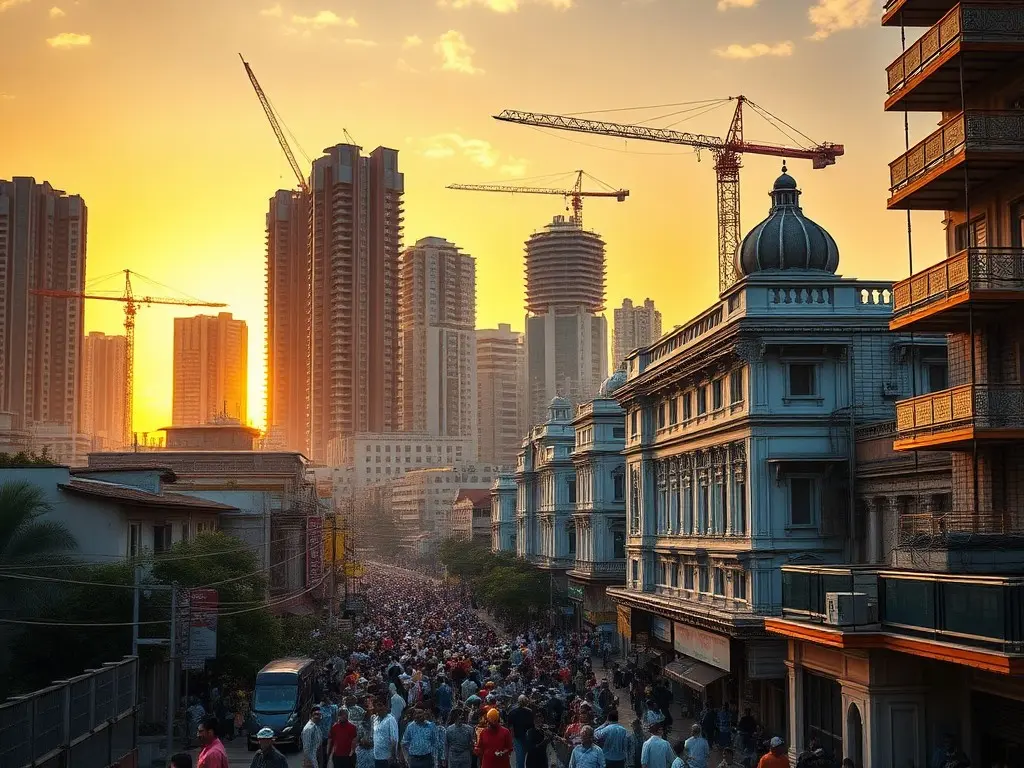
Mumbai’s residential property market recorded its strongest May performance in 14 years in 2026, with 12,315 registrations and Rs 1,051 crore in stamp duty revenue for Maharashtra. Analysts attribute the surge to sustained demand and homebuyer confidence despite broader economic uncertainties, though transaction values showed slight moderation.
Mumbai’s residential property market saw its highest May registrations in 14 years in 2026, with 12,315 properties registered under the Brihanmumbai Municipal Corporation, according to data from the Maharashtra Department of Registrations and Stamps analyzed by Knight Frank India. This marked a 7% increase from May 2025, when 11,565 registrations were recorded, and surpassed previous peaks of around 12,000 units in 2024. Stamp duty collections for Maharashtra exceeded Rs 1,051 crore in May 2026, reinforcing the sector’s role in state revenue despite a marginal 1% year-on-year decline attributed to a shift toward lower-value properties. Registrations dropped 14% month-on-month from April, while stamp duty collections fell 9%, indicating some transactional adjustments. Knight Frank India attributed the strong demand to ‘the depth of end-user demand and confidence in Mumbai’s housing market,’ highlighting resilience amid global economic volatility. Shishir Baijal, chairman of Knight Frank India, noted that despite moderation in transaction values, ‘overall market fundamentals remain robust,’ with improving affordability and a continued preference for homeownership. The real estate sector’s performance is seen as a key stabilizer for Mumbai’s economy, supporting industries like cement, steel, and banking while generating employment. The rise in registrations also underscores the sector’s growing importance in urban economic growth and government revenue, particularly amid geopolitical tensions and inflation concerns. Analysts pointed to Mumbai’s ability to maintain registrations above 11,000 units monthly, reflecting stable demand despite fluctuations in interest rates and market conditions. The data suggests that while transaction values may soften, the city’s housing market remains a critical driver of economic activity.
This content was automatically generated and/or translated by AI. It may contain inaccuracies. Please refer to the original sources for verification.