Musk’s SpaceX reveals its finances for the first time
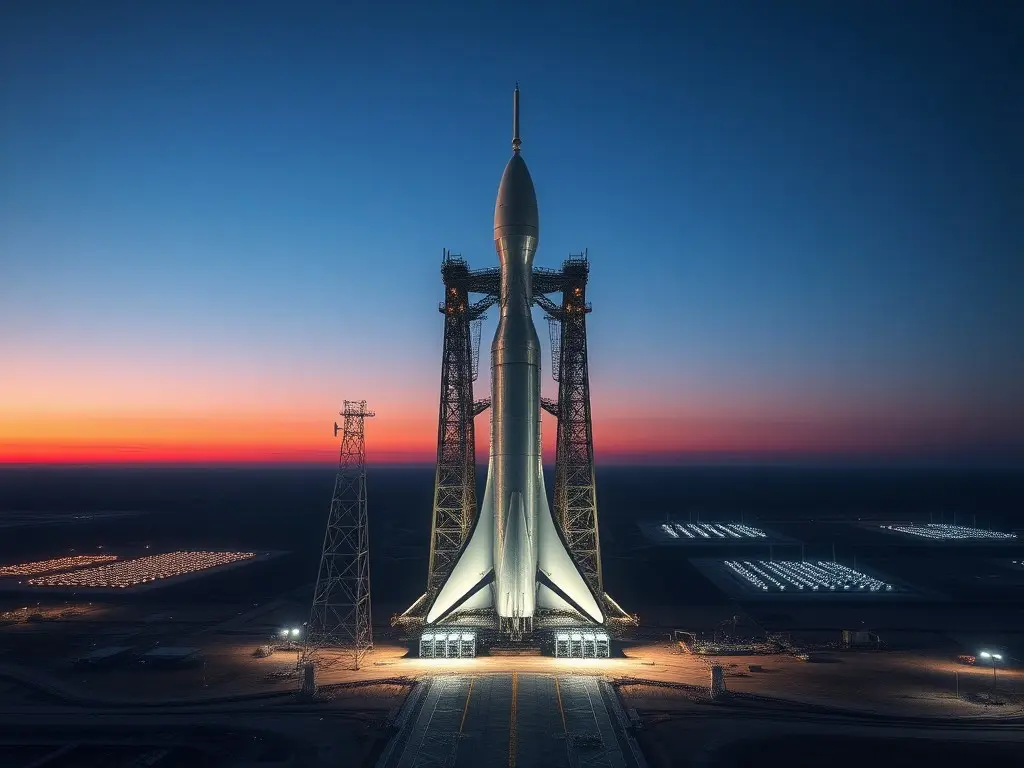
SpaceX reported $18.7 billion in revenue for 2025, a 33% increase from the prior year, but also recorded a $4.9 billion net loss due to heavy spending on AI and rocket development. The company plans an IPO potentially worth $50 billion to $75 billion as early as next month, with Elon Musk retaining control through super-voting shares valued at over $635 billion based on its $1.25 trillion valuation.
SpaceX disclosed its financials for the first time in a filing ahead of its planned initial public offering, revealing revenue of $18.7 billion in 2025—a 33% increase from 2024. The company’s first-quarter revenue rose to $4.7 billion from $4.1 billion in the same period last year, but it reported a $4.9 billion net loss for 2025, up from a $791 million profit in 2024, due to capital expenditures nearly doubling to $20.7 billion, primarily for AI development. The filing also highlighted SpaceX’s dominance in the U.S. space industry, accounting for five of every six launches into space. Founded in 2002, the company has expanded its ambitions beyond Mars to include orbital AI data centers and moon colonies, though skeptics question Musk’s optimistic timelines. Elon Musk owns around 50% of SpaceX’s shares and controls over 85% of shareholder votes through super-voting shares, making his stake worth over $635 billion based on the company’s $1.25 trillion valuation. Gwynne Shotwell, SpaceX’s president and COO, is the only other executive with significant super-voting shares. The IPO, expected as early as next month, could raise $50 billion to $75 billion, potentially making SpaceX one of the largest public offerings ever. This move may also pave the way for AI firms like Anthropic and OpenAI to follow suit. SpaceX’s first test launch of its Starship rocket, its largest vehicle, is scheduled for Thursday, with Musk emphasizing its role in future space and AI projects. The filing underscores SpaceX’s financial scale and Musk’s central role in its operations, despite recent shifts in focus away from Mars toward AI and lunar ambitions.
This content was automatically generated and/or translated by AI. It may contain inaccuracies. Please refer to the original sources for verification.