NASA and SpaceX launched a Dragon cargo run carrying 6,500 pounds of supplies and experiments to the ISS after weather delays, the steady logistics drumbeat that …
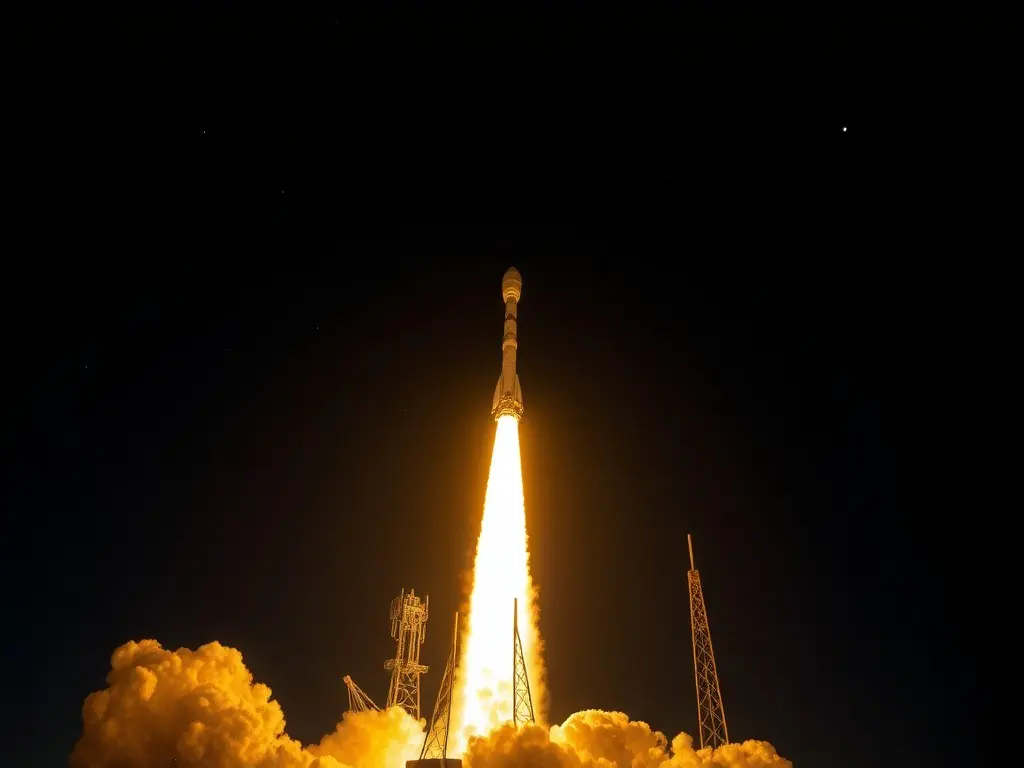
NASA and SpaceX successfully launched a Dragon cargo spacecraft on May 15 from Cape Canaveral, delivering 6,500 pounds of supplies and experiments to the International Space Station after weather delays. The mission, the 34th SpaceX resupply mission under contract with NASA, included studies on bone health, blood changes, space weather, and planetary formation, alongside critical crew supplies and hardware for Expedition 74 astronauts.
NASA and SpaceX launched the CRS-34 Dragon spacecraft on May 15 from Space Launch Complex 40 at Cape Canaveral Space Force Station, delivering 6,500 pounds of cargo to the International Space Station (ISS). The mission, initially delayed by thick clouds and thunderstorms over central Florida, finally lifted off at 6:05 p.m. EDT after scrubbed attempts on Tuesday and Wednesday due to weather. The cargo included essential supplies like food, equipment, and frozen research samples, alongside advanced experiments for Expedition 74. One study, ODYSSEY, will test how well Earth-based microgravity simulators replicate space conditions, ensuring ground research remains reliable before space-based experiments. Other payloads focus on bone health, using wood-derived scaffolds to study osteoporosis treatments, and equipment to analyze red blood cell and spleen changes during spaceflight. The Dragon also carried instruments to study space weather, specifically charged particles around Earth that impact satellites and power grids. These experiments help scientists understand how space conditions affect technology and infrastructure on Earth, from communication disruptions to power outages. This mission marks the 34th SpaceX resupply flight for NASA, reinforcing the routine reuse of Falcon 9 rockets and Dragon capsules. The successful delivery highlights the critical role of commercial partnerships in sustaining long-term research on the ISS, supporting future missions to the Moon and Mars. For astronauts, these experiments provide insights into long-duration spaceflight challenges like bone weakening and fluid shifts. For Earth, the research offers potential medical and technological advancements, including better treatments for osteoporosis and improved understanding of how living systems adapt to microgravity. The Dragon spacecraft docked with the ISS, completing the delivery and expanding the station’s capabilities as a testbed for both space exploration and Earth-based applications.
This content was automatically generated and/or translated by AI. It may contain inaccuracies. Please refer to the original sources for verification.