NASA Will Unveil New Astronauts and an Update on Its Moon Program
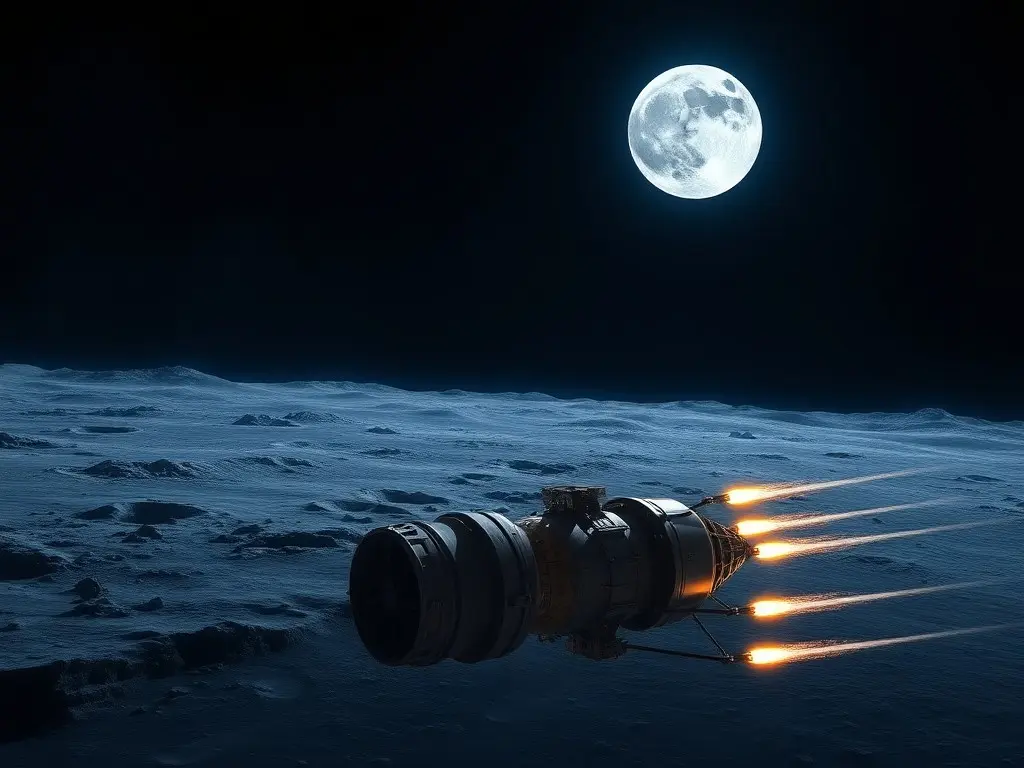
NASA will announce the four astronauts for the Artemis III mission on Tuesday, though delays loom due to Blue Origin’s New Glenn rocket explosion at Cape Canaveral, which damaged its only launchpad and risks pushing back the 2027 timeline. The crew will first test spacecraft docking in low-Earth orbit, while NASA assesses whether to proceed with Blue Origin’s lunar lander or rely solely on SpaceX’s Starship, which also faces setbacks.
NASA will reveal the four astronauts selected for Artemis III on Tuesday at Johnson Space Center in Houston, marking a key step in its moon program despite mounting challenges. The mission, originally planned for 2027, now faces uncertainty after Blue Origin’s New Glenn rocket exploded during a test fire on May 28 at Cape Canaveral Space Force Station in Florida, destroying the company’s only launchpad. The rocket was meant to carry Blue Origin’s lunar lander to space, a critical component for Artemis III’s planned surface landing tests. The astronauts announced will not fly to the moon but will instead conduct a mid-2027 mission in low-Earth orbit to test spacecraft rendezvous and docking with lunar landers developed by Blue Origin and SpaceX. These landers are slated for Artemis IV and V, which aim to return humans to the lunar surface by 2028. NASA’s accelerated timeline now hinges on repairs to Blue Origin’s launchpad, which experts suggest could take months or longer, potentially delaying Artemis III. Blue Origin’s setback follows NASA’s May 30 decision to use New Glenn to launch rovers to the moon as early as 2028, alongside other scientific payloads. The company’s CEO, Dave Limp, has pledged to resume launches before year-end, though historical precedents—such as SpaceX’s 16-month pause after a 2016 launchpad explosion—cast doubt on this timeline. Meanwhile, SpaceX’s Starship program, NASA’s primary backup, has also encountered delays, adding pressure on the agency to resolve technical hurdles. NASA is collaborating with Blue Origin to investigate the rocket failure and restore launchpad operations. The agency will provide an update on Artemis III’s progress during Tuesday’s crew announcement, though it remains unclear whether the mission can proceed as planned. If Blue Origin’s lander remains unavailable, NASA may opt to rely exclusively on SpaceX’s Starship, though that would require demonstrating untested capabilities ahead of schedule.
This content was automatically generated and/or translated by AI. It may contain inaccuracies. Please refer to the original sources for verification.