NASA's ambitious Artemis 3 mission includes 3 giant rocket launches, 2 private moon landers and 1 big question: Can it all work together?
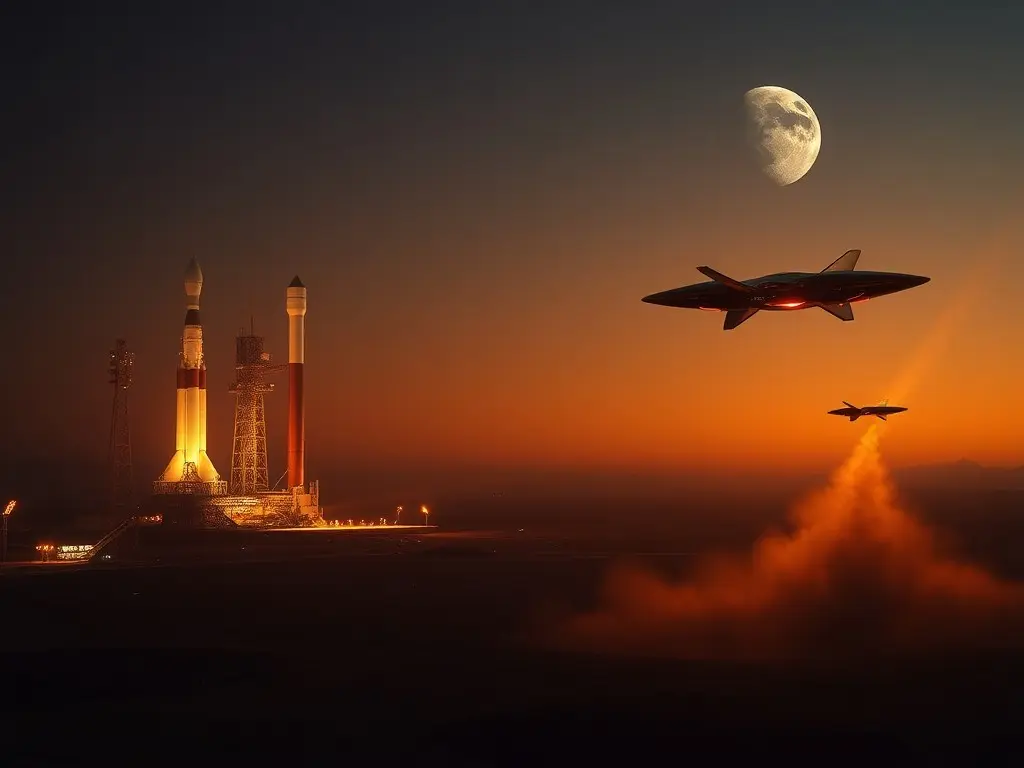
NASA’s Artemis 3 mission, targeting late 2027, will involve four astronauts—Randy Bresnik, Luca Parmitano, Frank Rubio, and Andre Douglas—using three giant rockets and two private moon landers (SpaceX’s Starship and Blue Origin’s Blue Moon) for a coordinated lunar landing attempt. The mission’s complexity is heightened by development delays for both landers, with NASA now planning to launch both prototypes into orbit during the campaign, though success remains uncertain for the 2028 Artemis 4 landing goal.
NASA’s Artemis 3 mission, set for late 2027, will require unprecedented coordination, involving three massive rocket launches and two untested commercial moon landers. The crew—commander Randy Bresnik, pilot Luca Parmitano, and mission specialists Frank Rubio and Andre Douglas—will fly aboard the Orion spacecraft, launched by NASA’s Space Launch System (SLS). Orion will rendezvous with both SpaceX’s Starship and Blue Origin’s Blue Moon landers, which will be deployed separately by Starship and Blue Origin’s New Glenn rocket. The mission’s timeline is tight, with NASA aiming to launch Orion first, followed by the landers in subsequent flights. Development delays for both Starship and Blue Moon—marked by recent accidents—pose risks, though NASA now intends to integrate both landers into the mission. Administrator Jared Isaacman emphasized that safety and mission success will dictate launch decisions, with Artemis 4 targeting a 2028 lunar landing if Artemis 3 faces setbacks. Artemis 3 marks NASA’s first crewed moon landing since Apollo 17 in 1972, relying on private partnerships to achieve its goals. The mission’s success hinges on flawless execution across multiple launches and unproven technologies, with NASA balancing ambition against technical uncertainties. If delays persist, the agency may need to adjust timelines or strategies to ensure astronauts reach the lunar surface.
This content was automatically generated and/or translated by AI. It may contain inaccuracies. Please refer to the original sources for verification.