NASA's Artemis III mission begins to take shape ahead of moon landing
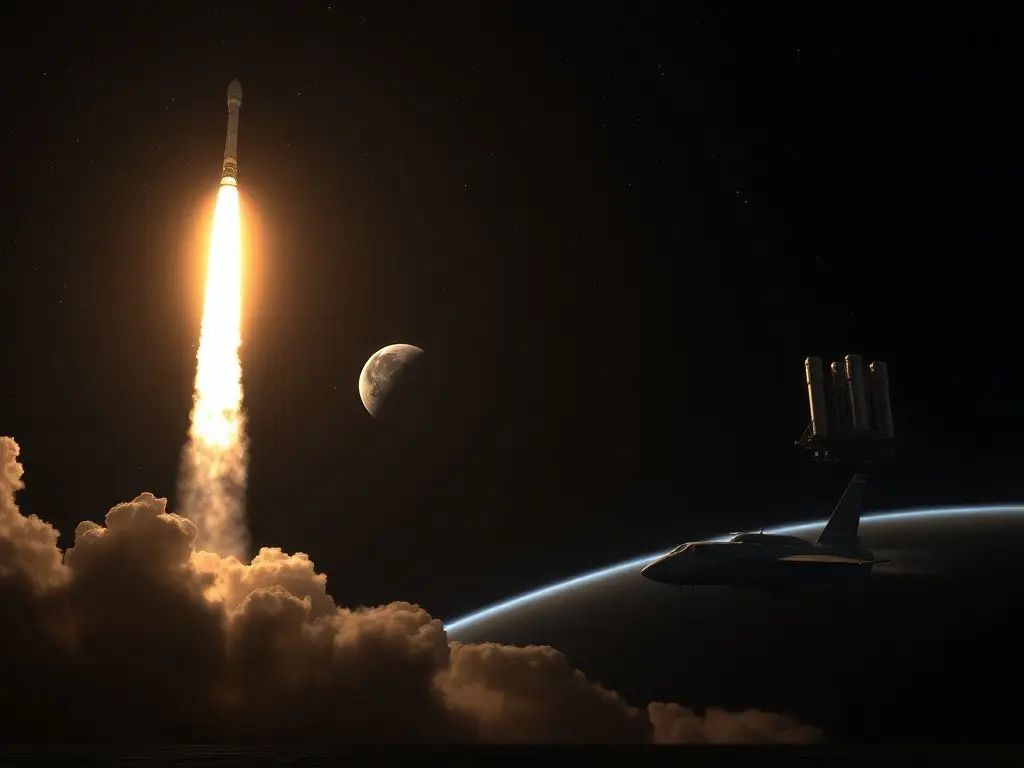
NASA’s Artemis III mission, planned for 2027, will involve multiple spacecraft dockings in Earth orbit to prepare for a historic 2028 moon landing—the first since Apollo 17 in 1972. The mission will test Orion spacecraft operations alongside commercial lunar landers from SpaceX and Blue Origin, with astronauts spending extended time in space compared to Artemis II.
NASA’s Artemis III mission, targeting launch in 2027, marks a critical step in the agency’s lunar program ahead of a planned 2028 moon landing—the first since Apollo 17 ended in 1972. The mission will focus on complex orbital operations, including multiple rocket launches and spacecraft dockings in low-Earth orbit, to validate systems before astronauts descend to the lunar surface. The primary objective is for NASA’s Orion spacecraft to rendezvous with one or both commercial lunar landers: SpaceX’s Starship and Blue Origin’s Blue Moon Mark 2. NASA has not yet confirmed whether astronauts will board the landers during this mission, which will serve as a precursor to establishing a $20 billion lunar base near the moon’s south pole. The base will support long-term human presence and future missions, including potential expeditions to Mars. Artemis III will feature a crew spending more time in space than Artemis II, which successfully orbited the moon in April 2026 without a hitch. The mission integrates operations from multiple partners, including lander providers, to refine interactions between Orion, astronauts, and ground teams before surface landings. NASA’s deputy administrator, Jeremy Parsons, described Artemis III as one of the agency’s most complex missions due to its interdependent operations. The Artemis program aims to use a mix of crewed and uncrewed missions to build infrastructure for sustained lunar exploration. Artemis III’s success will pave the way for astronauts to land near the lunar south pole, where resources like water ice could support future habitats. The mission also aligns with broader goals of advancing deep-space exploration capabilities for Mars and beyond.
This content was automatically generated and/or translated by AI. It may contain inaccuracies. Please refer to the original sources for verification.