Nebraskans' mental health impacted harshly by climate change
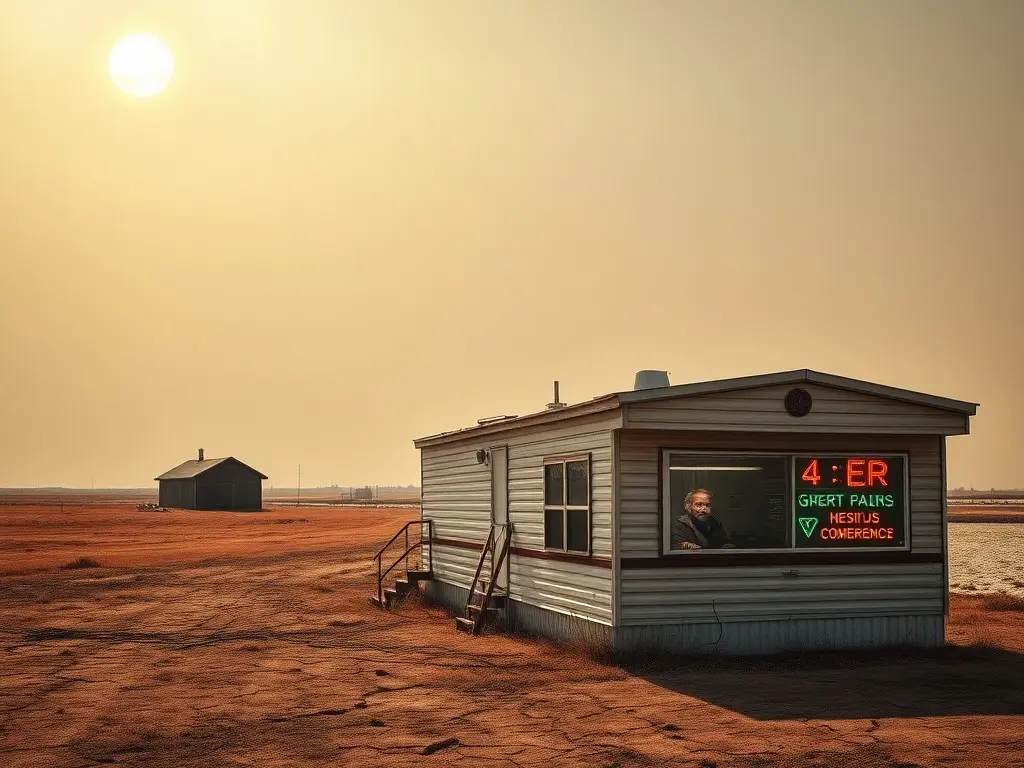
Researchers in Nebraska report a rise in climate-related mental health struggles, particularly among low-income residents facing extreme heat and cold, while 88 of the state’s 93 counties lack adequate psychiatric care. Nebraska Cares warns worsening weather events, linked to climate change, will increase housing and job instability, straining communities and emergency services like hospitals already seeing heat-related illnesses surge." "article": "Researchers in Nebraska highlight a growing crisis where climate change is worsening mental health issues, especially among low-income residents. Extreme cold and heat are exacerbating hardships, with 88 of the state’s 93 counties designated as mental health deserts, limiting access to psychiatric care or counseling. Derrick Sebree, a University of Michigan clinical psychologist studying climate-related mental health impacts, notes that housing and food insecurity become more pressing during extreme weather, deepening emotional distress tied to environmental injustice. Nebraska Cares predicts that rising extreme weather events, including floods and droughts, will displace more people and disrupt jobs, further destabilizing communities. These events are increasingly attributed to climate change, according to researchers. Sebree emphasizes the need for sustainable, justice-oriented solutions to address disparities in care, as vulnerable populations face disproportionate mental health burdens. The University of Nebraska Medical Center reported over 600 patients with heat-related illnesses in 2022 during a severe heat wave, illustrating the direct strain on emergency services. The data underscores how climate-related stress manifests physically and mentally, particularly in regions with limited resources. Experts stress the urgency of expanding mental health infrastructure to support those most affected by shifting climate patterns.
Researchers in Nebraska highlight a growing crisis where climate change is worsening mental health issues, especially among low-income residents. Extreme cold and heat are exacerbating hardships, with 88 of the state’s 93 counties designated as mental health deserts, limiting access to psychiatric care or counseling. Derrick Sebree, a University of Michigan clinical psychologist studying climate-related mental health impacts, notes that housing and food insecurity become more pressing during extreme weather, deepening emotional distress tied to environmental injustice. Nebraska Cares predicts that rising extreme weather events, including floods and droughts, will displace more people and disrupt jobs, further destabilizing communities. These events are increasingly attributed to climate change, according to researchers. Sebree emphasizes the need for sustainable, justice-oriented solutions to address disparities in care, as vulnerable populations face disproportionate mental health burdens. The University of Nebraska Medical Center reported over 600 patients with heat-related illnesses in 2022 during a severe heat wave, illustrating the direct strain on emergency services. The data underscores how climate-related stress manifests physically and mentally, particularly in regions with limited resources. Experts stress the urgency of expanding mental health infrastructure to support those most affected by shifting climate patterns.
This content was automatically generated and/or translated by AI. It may contain inaccuracies. Please refer to the original sources for verification.