New centre could mean same-day cancer diagnosis
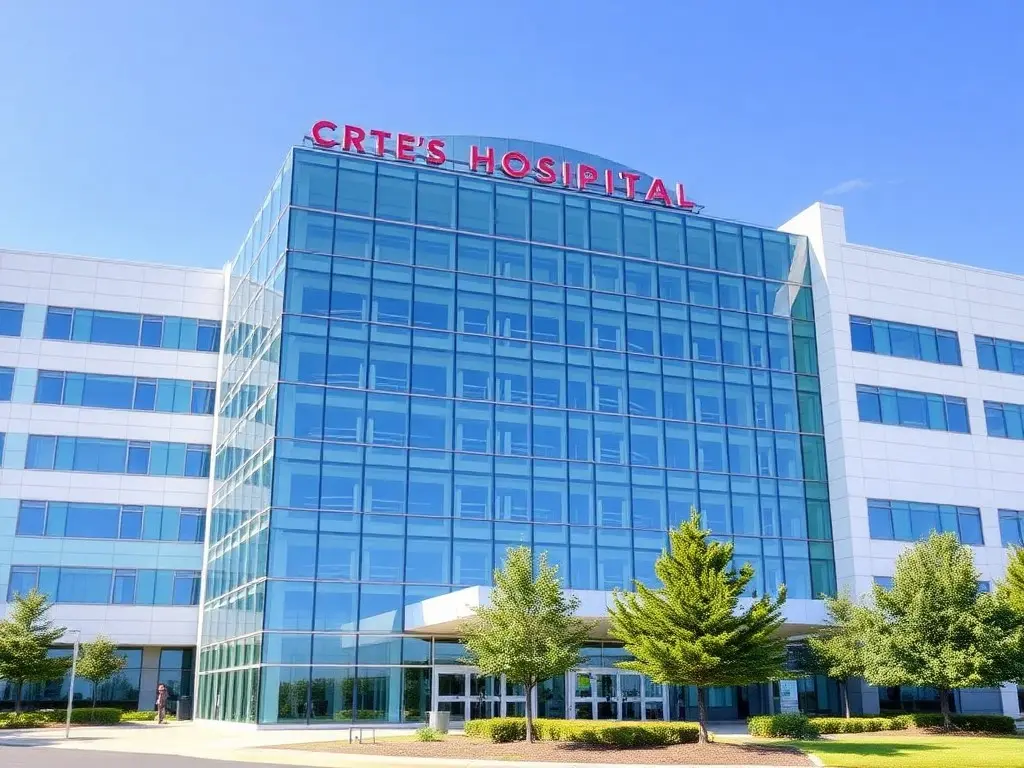
A new NHS community diagnostic centre in Epping, Essex, aims to deliver same-day cancer diagnoses for upper gastrointestinal cancers by early 2027, using AI-enhanced equipment and streamlined pathways. The Princess Alexandra Hospital NHS Trust, however, has faced criticism for missing cancer waiting time targets, with only 53.4% of patients starting treatment within 62 days of referral in the past year.
A new community diagnostic centre (CDC) at St Margaret’s Hospital in Epping, Essex, has begun offering rapid cancer diagnostics, with plans to accelerate same-day diagnoses for upper gastrointestinal cancers by early 2027. The facility, which opened in March and officially launched on Friday, has already served around 700 patients across women’s health, paediatrics, and cardiology services. Dr Monica Bose, a consultant gastroenterologist, explained that the second phase will allow patients to undergo CT scans and endoscopies in a single day, receiving cancer results by the end of the visit. The £26 million centre, with an additional £5 million planned for expansion, employs 75 new staff and features AI-powered MRI scanners to expedite diagnostics. Despite these advancements, the Princess Alexandra Hospital NHS Trust (PAHT) remains one of England’s worst-performing trusts for cancer waiting times, with only 53.4% of patients starting treatment within 62 days—a ranking of 118th out of 121 trusts. BBC analysis found PAHT and one in four trusts failed to meet the 28-day diagnosis target, though the government reported over 80% of patients now receive results within that window. Prof Pat Price, chairwoman of Radiotherapy UK, supported the CDC model but warned funding and delivery must align with its potential. Early cancer detection is critical, as delays increase mortality risk by up to 10% per month. The UK government has committed £237 million to expand CDCs nationwide, with 170 already operational across England. Trust CEO Thom Lafferty emphasized that the new centre complements acute hospitals, ensuring timely access for complex cases while easing pressure on busier facilities.
This content was automatically generated and/or translated by AI. It may contain inaccuracies. Please refer to the original sources for verification.