New lawsuit In Pennsylvania targets Roblox, Microsoft, and Epic Games
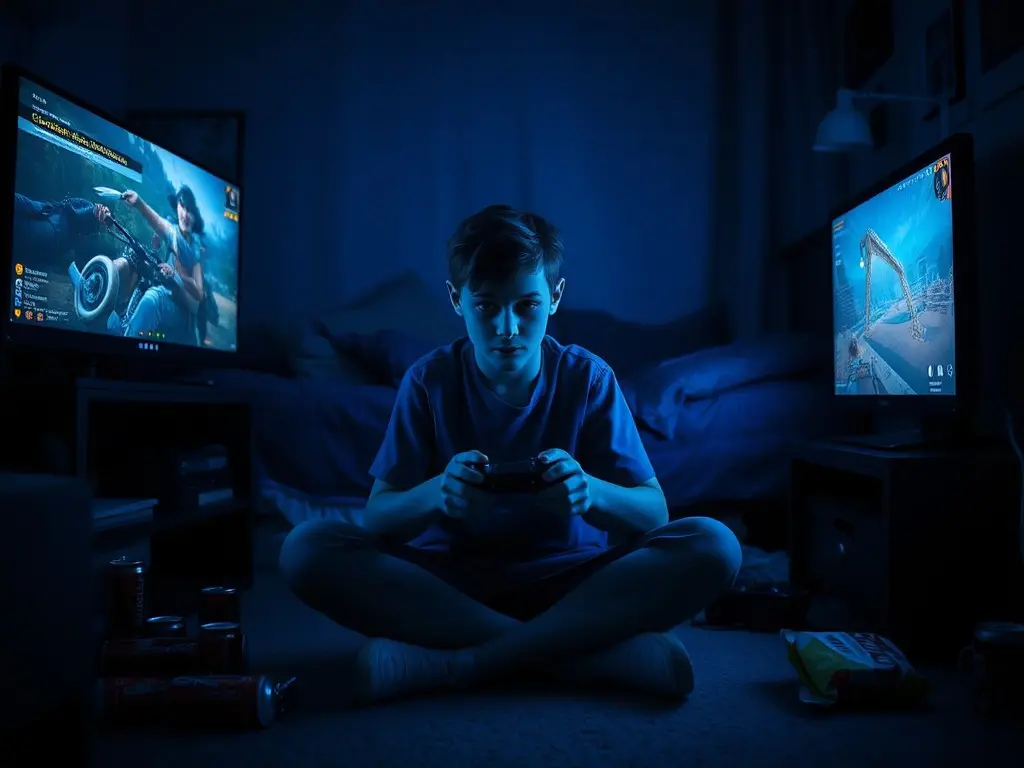
A Pennsylvania lawsuit accuses Roblox, Microsoft, Epic Games, and Mojang AB of using operant conditioning in games like Roblox, Minecraft, and Fortnite to create addictive behavior in a 15-year-old girl, leading to severe mental and social issues. The complaint seeks damages for excessive in-game spending and demands warning labels, while citing a similar Michigan case and Roblox’s recent $23 million settlement over child safety concerns.
A lawsuit filed in Pennsylvania accuses Roblox, Microsoft, Epic Games, and Mojang AB of deliberately designing games like Roblox, Minecraft, and Fortnite to exploit operant conditioning, encouraging excessive play in children. The complaint centers on a 15-year-old girl who began gaming at age six and now plays over six hours daily, suffering from social isolation, anxiety, depression, and suicidal ideation. The lawsuit alleges the companies employ psychologists to create addictive gameplay and suppress recognition of video game addiction as a formal disorder by the American Psychological Association (APA). It claims this misclassification denies children access to proper medical treatment, leaving them abandoned by the healthcare system. The complaint demands compensation for the girl’s in-game purchases, comparing microtransactions to microbetting, and accuses the companies of profiting from excessive usage. It also calls for mandatory warning labels on games to inform players about addictive conditioning techniques. This follows a March lawsuit in Michigan involving an 18-year-old who plays 12–14 hours daily, described as unable to control his usage. Additionally, Roblox settled a separate investigation in Alabama and West Virginia last month, agreeing to pay $23 million over child-safety violations, including exposure to predators and harmful content. The 87-page complaint argues the companies know prolonged gaming increases revenue through in-game purchases and prioritize profit over player well-being. It urges courts to intervene, seeking both financial damages and regulatory changes to protect young gamers.
This content was automatically generated and/or translated by AI. It may contain inaccuracies. Please refer to the original sources for verification.